Envoys and Proposals in Historical Context
West Africa
Diplomacy
Envoys
4 min read
Updated By: History Editorial Network (HEN)
Published:
Updated:
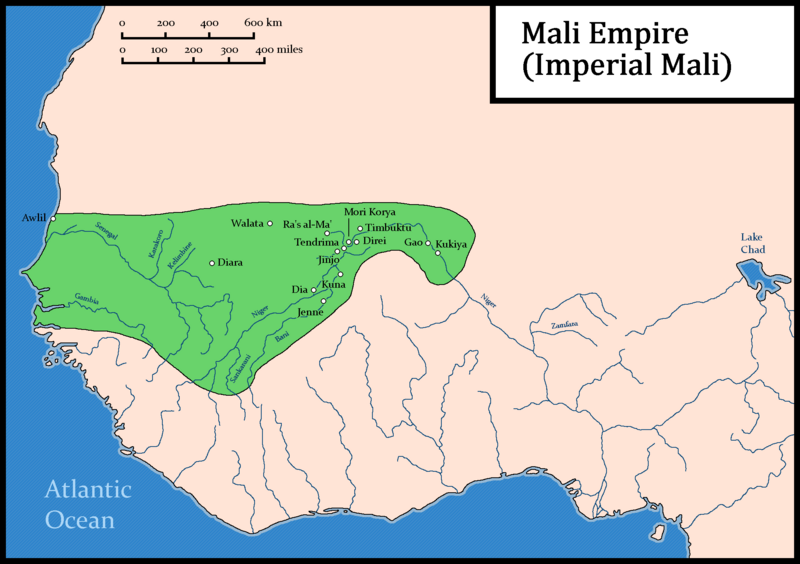
The establishment of diplomatic relations between the Mali Empire, under Mansa Mahmud Keita II, and Portugal marked a notable development in the political landscape of West Africa. This initiative was primarily driven by the need to address external threats, particularly from rival factions such as Tenguella. The Mansa's decision to engage with Portugal involved receiving envoys, specifically Pêro d'Évora and Gonçalo Enes, who were sent to negotiate and explore potential alliances. This diplomatic outreach was significant as it represented an early instance of African states seeking to forge international relationships to bolster their security and influence. The engagement with Portugal was not merely a one-time event; it reflected a broader trend of African empires recognizing the importance of foreign alliances in the face of growing external pressures.
Despite the initial diplomatic overtures, subsequent proposals for alliances, such as the one sent by Mansa Mahmud Keita II in an attempt to counter the threat posed by Tenguella, did not yield the desired outcomes. This highlights the complexities and challenges of diplomatic negotiations during this period. The failure to establish a lasting alliance with Portugal underscores the difficulties faced by African leaders in navigating the geopolitical landscape of the time. The interactions between the Mali Empire and Portugal illustrate the intricate dynamics of power, trade, and diplomacy that characterized the historical context of West Africa, as well as the ongoing struggles of empires to maintain sovereignty and stability amidst external challenges.
#mooflife
#MomentOfLife
#MaliEmpire
#DiplomaticRelations
#Portugal
#MansaMahmudKeitaIi
#WestAfricaHistory
Primary Reference
History of the Mali Empire

Explore the Life Moments of
 AI Twin