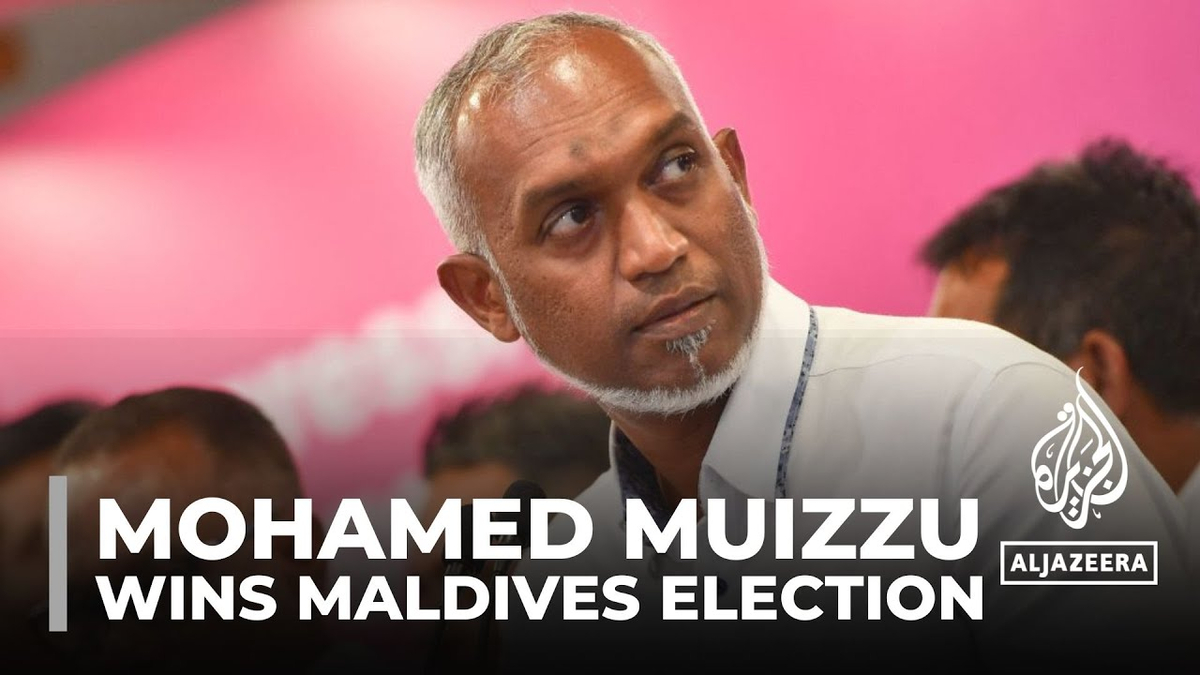
Shift in Maldives political landscape: Muizzu wins election, focused on reforms and foreign policy.
Maldives
Political
Global Trade
4 min read
Updated By: History Editorial Network (HEN)
Published:
Updated:
In the Maldives presidential election, Mohamed Muizzu emerged victorious in the second-round runoff against incumbent President Ibrahim Solih. Muizzu, representing the opposition Progressive Party of Maldives (PPM), secured a majority of the votes, reflecting a shift in the political landscape of the island nation. The election saw a high voter turnout, underscoring the public's engagement and desire for change.
Ibrahim Solih, from the Maldivian Democratic Party (MDP), had served as president and was seeking re-election. However, the electorate's decision to support Muizzu indicated a preference for the opposition's policies and a response to the current administration's track record. The political climate leading up to the election was marked by debates on economic performance, governance, and foreign policy.
Muizzu's victory is poised to have significant implications on the Maldives' political dynamics and its international relations. During his campaign, Muizzu emphasized his commitment to economic reforms, addressing corruption, and revisiting foreign agreements. His win may also influence the Maldives' strategic positioning in the Indian Ocean region, considering the archipelago's importance in maritime routes and geopolitical interests.
The election results were closely monitored by international observers, stressing the importance of fair and free electoral processes. The smooth transition of power following the announcement indicated the robustness of the Maldives' democratic institutions.
#MaldivesElection #PoliticalShift #DemocracyInAction #MoofLife #EconomicReforms #Governance #InternationalRelations
Primary Reference
Mohamed Muizzu wins Maldives election in victory for pro-China camp
Explore the Life Moments of
 AI Twin