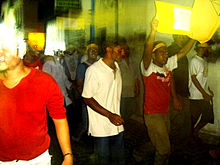
Malé Unrest: Political dissatisfaction leads to clashes, heightened security, and international scrutiny.
Maldives
Political
Global Trade
5 min read
Updated By: History Editorial Network (HEN)
Published:
Updated:
Unrest escalated in Malé, the capital of the Maldives, when government suppression led to violent clashes and heightened security measures. The tension stemmed from longstanding political dissatisfaction. Numerous citizens had been demanding democratic reforms and greater political freedom, challenging the prevailing political climate characterized by centralized power.
On the specified day, large groups of protestors gathered in key public areas to voice their demands. The government response was swift and forceful. Security forces were deployed in significant numbers, equipped with riot gear. The aim was to disperse the crowds and maintain control. However, the aggressive methods used, including tear gas and physical force, intensified the conflict. Clashes between protestors and security forces grew violent, resulting in several injuries and arrests.
The immediate impact of this confrontation was a noticeable increase in tension across Malé. Residents experienced disruptions in daily life due to the visible military presence and restricted movement. Public spaces that usually hosted vibrant markets and community interactions turned into scenes of conflict and apprehension. Additionally, the unrest caught international attention, putting the Maldivian government's policies and actions under scrutiny.
The wave of arrests that followed targeted key figures in the protest movement, aiming to dismantle the organizational structure behind the demonstrations. This tactic, however, did not quell the unrest. Instead, it galvanized further opposition and drew criticism from human rights organizations regarding the government's commitment to civil liberties and democratic principles.
Statistics indicate that during the clashes, dozens were injured, including both protestors and security personnel, highlighting the severe nature of the confrontations. The number of detentions surged, with many protestors facing legal consequences for their involvement in the unrest.
In conclusion, the events in Malé were a pivotal moment reflecting deep-rooted political tensions and the complex dynamics between government authority and civil society's demand for reform. The actions taken by both protestors and the government during this period had long-term implications for the political landscape of the Maldives.
#MoofLife #MaléUnrest #PoliticalReform #GovernmentSuppression #HumanRights #CivilUnrest #Maldives
Primary Reference
CrisisWatch Conflict Tracker | Crisis Group
Explore the Life Moments of
 AI Twin