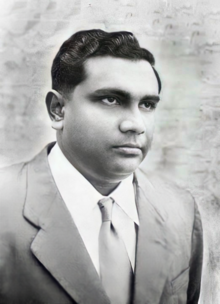
Ibrahim Nasir Elected President
Maldives
Political
4 min read
Updated By: History Editorial Network (HEN)
Published:
Updated:
The establishment of the Republic in Maldives marked the cessation of a monarchy that had persisted for 853 years. Ibrahim Nasir was installed as the President following a national referendum that elicited a majority preference for a republican form of governance over a continued sultanate.
The history of the Maldives had been characterized by a series of dynastic rulers, with the Sultan being both the head of state and religious leader. The transformative period leading to the republic was driven by socio-political changes within the country, reflecting a broader push towards modernization and democratic governance in the mid-20th century. Popular sentiment among the populace demonstrated an increasing desire for political reform and more inclusive participation in governmental decision-making.
The impact of the transition was multifaceted, leading to the restructuring of the governmental and legal framework of the Maldives. This shift involved the establishment of a Presidential system, where the head of state was to be elected, marking a departure from the hereditary monarchy. Furthermore, it set in motion legal and administrative reforms aimed at enhancing governance. Ibrahim Nasir’s administration focused on modernizing the economy, enhancing infrastructure, and developing education and health services.
Statistically, the referendum that led to the abolition of the monarchy and the declaration of the republic saw a significant voter turnout, reflecting the high level of public involvement in this pivotal decision. The establishment of the republic was a decisive shift towards modernization and had enduring implications for the political and social fabric of the Maldives.
#MoofLife #MaldivesRepublic #PoliticalChange #HistoricalShift #GovernanceReform
Primary Reference
Maldives - Wikipedia
Explore the Life Moments of
 AI Twin