Release from Jail before Completion of Sentence.
India
Political
4 min read
Updated By: History Editorial Network (HEN)
Published:
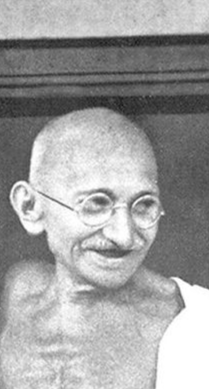
Mahandas Karamchand Gandhi, widely known as Mahatma Gandhi, was at the forefront of the struggle for Indian rights in South Africa. A leader in civil disobedience, he staunchly opposed the discriminatory laws against Indians. His protests often led to his incarceration. On a notable occasion, Gandhi and several of his compatriots were imprisoned for their civil disobedience activities.
During this imprisonment, Gandhi and his fellow prisoners were released unconditionally. This early release did not coincide with the official end date of their sentence. This development followed widespread protests and international condemnation of the harsh treatment meted out to the Indian laborers and leaders in South Africa.
Gandhi's strategy of peaceful resistance had drawn global attention. His principled stand and nonviolent methods had begun to resonate not only in South Africa but across the world. The impact of his release was multifaceted. It showcased the power of nonviolent resistance and bolstered the morale of Indian laborers and activists fighting against unjust practices. This event was a pivotal point in the campaign for civil rights in South Africa and marked a significant step towards greater recognition of Indian labor rights.
The unconditional release of Gandhi and others underscored the increasing inability of colonial administrations to suppress nonviolent resistance without causing international uproar. It also highlighted the essential role of global public opinion in influencing colonial policies.
#MKG #CivilDisobedience #NonViolentResistance #IndianRights #GlobalImpact #MoofLife
Primary Reference
Gandhi Timeline - Life Chronology of Mahatma Gandhi
Explore the Life Moments of
 AI Twin