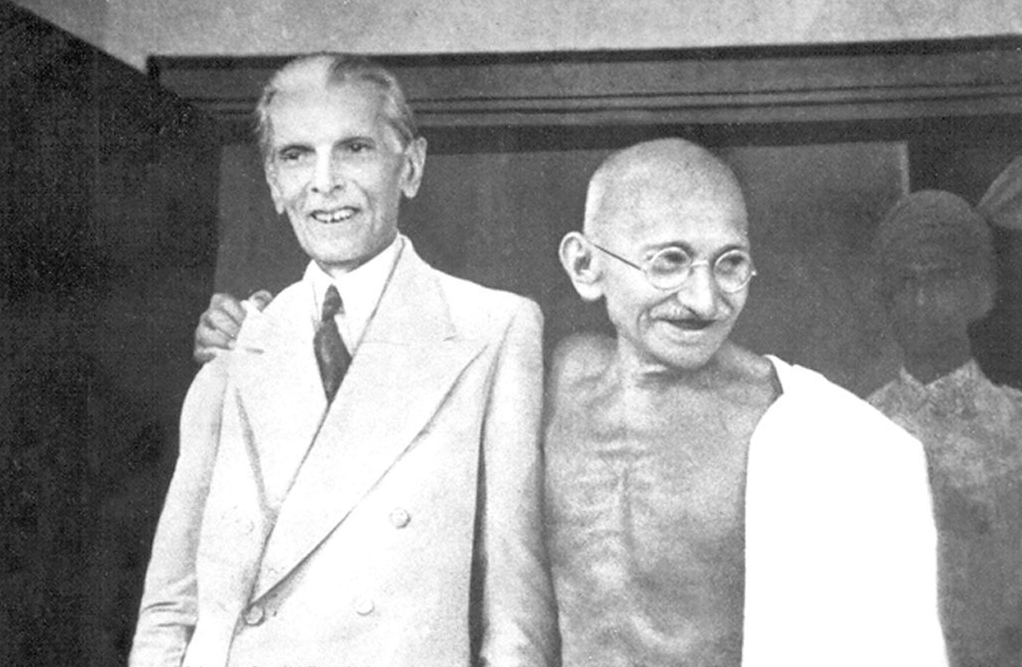
Muslim League joins Interim Government.
India
Political
6 min read
Updated By: History Editorial Network (HEN)
Published:
In the mid-20th century, British India was transitioning towards independence, and efforts to form a stable interim government were underway. This phase saw the inclusion of Muslim League representatives in the Interim Government, which was a critical development. The backdrop to this was the escalating demand for greater autonomy and the communal tensions between Muslims and Hindus. The Indian National Congress had been the dominant voice in the struggle for independence, but the Muslim League, led by Mohammad Ali Jinnah, increasingly asserted its position as the representative of Muslim interests.
The Viceroy, Lord Wavell, had been attempting to craft an interim administration that could govern India through its final phase under British rule. Earlier efforts to include the Muslim League in the government had faltered due to differences between the Congress and the Muslim League. Part of the tension stemmed from the Muslim League's demand for the creation of Pakistan, a separate state for Muslims, which was met with resistance from the Congress and other Indian leaders.
Finally, a compromise was reached, leading to the entry of prominent Muslim League members into the interim government. This included leaders like Liaquat Ali Khan, who was appointed as the Finance Minister. Their inclusion was seen as a step towards addressing the communal divide, though it did not resolve the underlying political conflicts. This integration marked an attempt to create a balanced representation within the government, aiming to pave the way for a more consensual approach to independence and governance.
The impact of the Muslim League’s participation in the interim government was multifaceted. On one hand, it represented a moment of cooperation between the two significant political entities in India, potentially fostering a more unified approach to independence. On the other hand, it underscored the deep-seated divisions, particularly around the issue of partition and communal representation. Despite their inclusion, the Muslim League continued to push for the creation of Pakistan, highlighting the persistent divergence in visions for India's future.
In conclusion, the participation of Muslim League representatives in the interim government was a crucial development in the lead-up to India's independence. It illustrated both the possibilities and limitations of collaborative political efforts during a profoundly transformative period for the subcontinent.
#IndianIndependence #PoliticalTransition #CommunalTensions #MuslimLeague #MahatmaGandhi #MoofLife
Explore the Life Moments of
 AI Twin