Indefinite Fast Commenced for Striking Mill-hands.
India
Political
Social
4 min read
Updated By: History Editorial Network (HEN)
Published:
In the early 20th century, labor unrest was a pervasive issue in many parts of the world, including in the Indian subcontinent. Amidst this climate, Mahatma Gandhi initiated a pivotal episode in the labor movement. The textile workers of Ahmedabad, exploited and enduring harsh working conditions, decided to strike. The mill owners were unyielding in their refusal to address the workers' demands for better wages and working conditions.
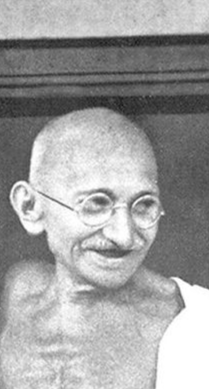
Gandhi, recognizing the workers' plight, urged for a non-violent method to resolve the conflict. He proposed an indefinite fast to reinforce the workers' determination and highlight their demands without resorting to violence. Gandhi's fast was intended not only to pressure the mill owners to negotiate but also to inspire the mill workers to remain steadfast in their non-violent struggle.
The fast had a profound impact: Gandhi's involvement drew national attention to the plight of the workers, pressing the mill owners to reconsider their stance. Under the pressure of public opinion and Gandhi's moral leadership, the mill owners eventually agreed to arbitration, resulting in a compromise that slightly improved wages and conditions.
This moment is noteworthy for demonstrating the power of non-violent protest and the social influence Gandhi wielded. It also highlighted the early phase of Gandhi's methods of peaceful resistance and his role in labor movements, which would later become central to India's struggle for independence.
#MoofLife #MahatmaGandhi #LaborMovement #NonViolentResistance #WorkerRights #TextileIndustry #ImpactfulProtests
Primary Reference
Gandhi Timeline - Life Chronology of Mahatma Gandhi
Explore the Life Moments of
 AI Twin