gandhis unconditional release and its impact on indias independence movement
India
Political
5 min read
Updated By: History Editorial Network (HEN)
Published:
Following his arrest during the Non-Cooperation Movement, Mahatma Gandhi was held in Yerawada Central Jail. Authorities charged him with sedition for his articles in 'Young India'. This period was marked by growing discontent and calls for self-rule in British-occupied India. Gandhi’s nonviolent resistance and civil disobedience campaigns drew wide support, unsettling the colonial administration.
In the assembly of political turmoil and legislative challenges, voices within Britain questioned their approach toward India. Economic pressures and the aftereffects of World War I heightened Britain's vulnerability. Meanwhile, Gandhi's imprisonment had galvanized public opinion. Mass protests and strikes erupted, underscoring the mounting demand for Indian autonomy.
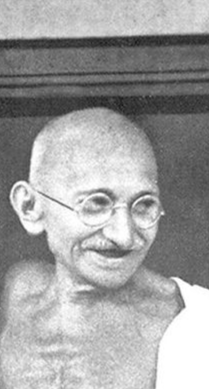
When the British authorities decided to release Gandhi unconditionally, it was seen as a strategic move amid rising unrest. Gandhi emerged from prison to a nation more united and impassioned about self-rule. Yet, his release came with no terms, showcasing the colonial administration’s shifting stance in response to his widening influence and to the persistent nationalistic fervor among Indians. Gandhi’s re-emergence invigorated the independence movement, reinforcing nonviolence as its cornerstone.
During Gandhi's detention, Congress leaders had intensified their campaigns, and grassroots movements had spread across rural and urban centers. His unconditional release thus provided a crucial juncture for the Indian National Congress to re-strategize and consolidate efforts toward attaining independence. Moreover, it emboldened international attention to India's plight, drawing support and sympathy for the freedom struggle.
This episode underscored the British government’s tactical retreat and acknowledged the impracticality of prolonged suppression of a largely peaceful yet resolute resistance. Gandhi’s subsequent actions continued to steer the movement through critical phases, including the Dandi March. It was a pivotal instance demonstrating the efficacy of nonviolent protest in confronting colonial authority.
#GandhiReleased #IndianFreedomStruggle #NonViolentResistance #ColonialIndia #MoofLife
Primary Reference
Years of Arrests & Imprisonments of Mahatma Gandhi | Chronology ...
Explore the Life Moments of
 AI Twin