gandhis leadership of congress and its shift towards non violent resistance for indian independence
India
Political
6 min read
Updated By: History Editorial Network (HEN)
Published:
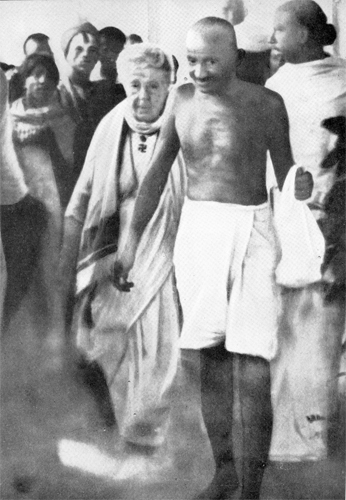
In late December, during a critical period of India's struggle for independence, a pivotal event took place in Ahmedabad. The Indian National Congress, convening for their annual session, chose Mohandas Karamchand Gandhi as its leader. This decision was a reflection of the increasing influence Gandhi had garnered within the nationalist movement.
Previously, Gandhi's methods of non-violent resistance had sparked widespread participation across India, notably through the Non-Cooperation Movement. The movement saw mass boycotts of British goods, institutions, and honors, effectively mobilizing millions under a unified strategy against colonial rule. The selection of Gandhi to lead the Congress was a testament to his popularity and the effectiveness of his philosophies.
The event occurred against the backdrop of mounting dissatisfaction with British policies, exacerbated by economic woes and social injustices. India's population was becoming increasingly restless, seeking a cohesive and effective strategy to end colonial exploitation. Gandhi's call for autonomy resonated deeply with the masses, who had already shown willingness to follow his call for peaceful resistance.
This leadership transition marked the Congress's definitive shift towards adopting non-violence as its guiding principle. Under Gandhi's guidance, the Congress focused on inclusive participation, involving rural populations, and emphasizing swadeshi (self-reliance). This holistic strategy intended to undermine the economic foundations of British rule in India without resorting to armed conflict.
The impact of Gandhi's leadership in Congress cannot be underestimated. Membership surged as people from various strata of society joined the ranks, bringing diversity and broad-based support to the nationalist movement. The Congress sessions in Ahmedabad laid the foundation for several decisive actions, including sustained civil disobedience campaigns and intricate organization structures to support grassroots movements.
Furthermore, this period saw significant milestones such as the arrest and imprisonment of prominent leaders, which only served to galvanize public sentiment and resolve. The Congress, now under Gandhi's leadership, intensified its efforts for Swaraj (self-rule), showing resilience despite repressive measures by colonial authorities.
For historians and scholars, this moment in Ahmedabad symbolized the formal alignment of Congress's tactical framework with Gandhi's ideological stance. It represented a strategic consolidation in India's fight for independence, embedding the principles of non-violence and civil disobedience deeply into the fabric of Indian nationalism.
#MoofLife #Gandhi #IndianNationalCongress #NonViolence #NonCooperationMovement #IndependenceStruggle
Primary Reference
Gandhi Timeline - Life Chronology of Mahatma Gandhi
Explore the Life Moments of
 AI Twin