Gandhi's 21-Day Fast in Prison and Its Role in India's Independence Struggle
India
Political
IndianIndependence
5 min read
Updated By: History Editorial Network (HEN)
Published:
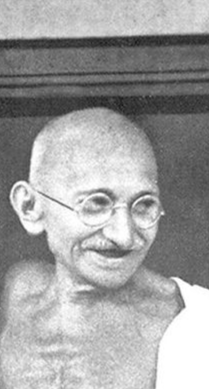
On 10-Feb-1943, Mahatma Gandhi began a 21-day fast while he was imprisoned at the Aga Khan Palace in Pune. This fast served as a protest against British colonial rule in India. It was also intended to highlight the plight of India during World War II and the severe hardships faced by the Indian populace due to the continued colonial administration.
Gandhi's fast generated significant concern both within India and internationally. It drew attention to the practice of using non-violent resistance as a powerful tool for political change. The British government was unsettled by the potential for Gandhi's death due to fasting, which they feared could incite widespread unrest and further weaken their control over India.
Interestingly, this fast coincided with the Quit India Movement, which had been launched the previous year to demand an end to British rule. Thousands of Indians were imprisoned, and the movement saw violent confrontations with colonial authorities. Gandhi's fast was a way to sustain the spirit of non-violent resistance even as the movement faced severe suppression.
While the British authorities insisted that Gandhi's health be closely monitored, they remained resolute in their stance against his demands. The fast ended peacefully after 21 days, and Gandhi's health, although weakened, stabilized. This event solidified Gandhi's image as a figure of immense moral and ethical resolve and reinforced the spirit of non-violence in India's struggle for independence.
The fast did not immediately change British policies, but it significantly bolstered international sympathy for the Indian cause and intensified the local and global spotlight on Britain's colonial administration. The event highlighted the power of personal sacrifice in the quest for national freedom and underscored the effectiveness of non-violent methods in seeking political and social reform.
#MahatmaGandhi #NonViolentResistance #ColonialIndia #IndianIndependence #PoliticalProtest #MoofLife
Explore the Life Moments of
 AI Twin