Exploring Indigo Farmers' Situation in Patna with Rajkumar Shukla
India
Political
5 min read
Updated By: History Editorial Network (HEN)
Published:
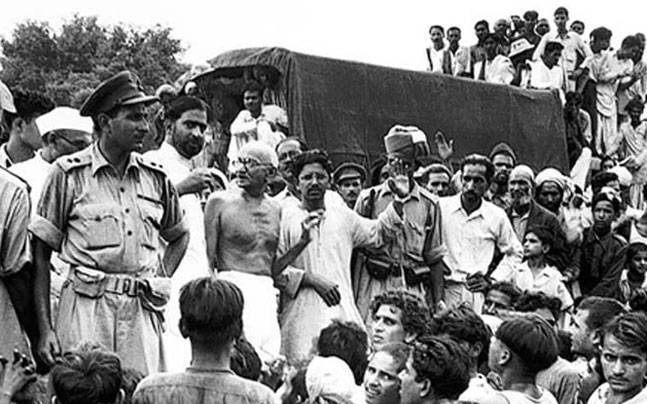
Rajkumar Shukla, a determined peasant from Champaran, approached Mahatma Gandhi, pleading for his intervention in the plight faced by indigo farmers. The tenants were under oppressive conditions imposed by British landlords, who compelled them to grow indigo on a portion of their land and hand it over as rent. Shukla’s persistence led Gandhi to accompany him to Patna for an investigation into the farmers' grievances.
Upon arrival, Gandhi noted that the local British authorities held significant power and influence over the region. To gain a firsthand understanding, Gandhi moved to Muzaffarpur, where he engaged with local lawyers and farmers to gather detailed accounts of the oppressive practices. He learned that the landlords exploited the farmers through a mechanism called 'tinkathia,' binding them to grow indigo on three-twentieths of their holdings. Moreover, along with forced cultivation, they had to accept unfair compensations when shifting from indigo to food crops.
Gandhi's preliminary inquiries led to the realization that the issue extended beyond economic exploitation. It infringed upon the agricultural freedom and fundamental human rights of the farmers. Consequently, he initiated a closer interaction with the local population, recording grievances, and seeking legal documentation, evidence of coercion and legal anomalies.
The impact of Gandhi's presence and preliminary findings was profound. It drew widespread attention, compelling the British administration to take notice. Consequently, this set the groundwork for a broader campaign against the exploitation in Champaran. Gandhi's subsequent actions led to a formal inquiry which eventually resulted in favorable changes and improved conditions for the indigo farmers. Significant reforms were introduced that allowed farmers more freedom over their crops and provided fairer compensation.
This investigation highlighted Gandhi’s method of Satyagraha – a non-violent manner of challenging unfair practices through truth and civil resistance. It was a pivotal episode in Gandhi’s leadership in India's struggle for independence, showcasing the potential of peaceful protest and local empowerment.
#Gandhi #RajkumarShukla #IndigoFarmers #Champaran #AgriculturalRights #BritishColonialism #Satyagraha #NonViolence #IndianHistory #MoofLife
Primary Reference
Gandhi Timeline - Life Chronology of Mahatma Gandhi
Explore the Life Moments of
 AI Twin