Congress Working Committee adopts resolution for Civil Disobedience.
India
Political
4 min read
Updated By: History Editorial Network (HEN)
Published:
The Congress Working Committee adopted the resolution of Civil Disobedience amid escalating tensions between the British colonial authorities and Indian nationalists. The backdrop to this pivotal decision included the growing disenchantment with the Simon Commission, which lacked Indian representation in framing constitutional reforms. The dissatisfaction was widespread, leading to a unified call for a more assertive stance against British rule.
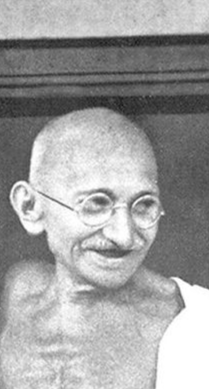
Prior to this decision, the Congress had engaged in various forms of non-cooperation and protest. However, the repressive measures by the colonial administration, including arrests of leaders and suppression of protests, created a volatile atmosphere. Mahatma Gandhi, emerging as a central figure in this struggle, advocated for increased non-violent resistance as a means to challenge and ultimately dismantle the colonial administration's legitimacy.
With this resolution, the stage was set for a nationwide movement characterized by mass defiance of colonial laws, refusal to pay taxes, and non-compliance with British institutions. Leaders involved in the movement faced arrests, while ordinary citizens participated in boycotts and peaceful protests. The impact was significant; it intensified the struggle for independence and increased international support and awareness of India's plight under colonial rule.
Statistically, the movement mobilized millions of Indians and led to thousands of arrests, including that of Mahatma Gandhi. This phase of the Independence Movement undeniably sharpened the methods and resolve of Indian nationalists, pushing them further toward the ultimate goal of self-rule.
#CivilDisobedience #IndiaIndependence #FreedomStruggle #Gandhi #MoofLife
Primary Reference
Gandhi Timeline - Life Chronology of Mahatma Gandhi
Explore the Life Moments of
 AI Twin