Collective Satyagraha Withdrawn
India
Political
5 min read
Updated By: History Editorial Network (HEN)
Published:
The withdrawal of collective Satyagraha marked a pivotal moment in the Indian independence movement. Satyagraha, a philosophy and practice of nonviolent resistance conceived by Mahatma Gandhi, had been instrumental in mobilizing the masses against British rule. By this point, various Satyagrahas had been launched involving civil disobedience, non-cooperation, and direct action against colonial policies.
The collective Satyagraha involved widespread participation from diverse sections of Indian society. It not only included the urban middle class but also integrated the rural population, emphasizing the sheer scale of resistance. Although Satyagraha campaigns faced repressions such as mass arrests, violence, and economic repercussions, they successfully brought international attention to India's struggle for self-determination.
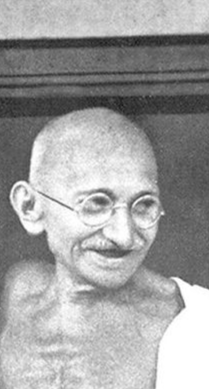
Mahatma Gandhi's decision to withdraw from the collective Satyagraha followed after extensive reviews and strategic considerations. The decision was influenced by several factors, including the deteriorating economic conditions of participants and increasing acts of violence which ran counter to the principle of non-violence intrinsic to Satyagraha. Gandhi recognized that the movement needed a recalibrated approach to sustain moral high ground and avoid debilitating the spirit of nonviolent resistance.
Gandhi’s move was strategic and underscored the flexibility and responsiveness needed in leadership. Withdrawal did not signify a retreat but rather a pause for reflection and restructuring. This decision demonstrated Gandhi's pragmatism in preserving the long-term momentum of the independence movement. It also aimed to mitigate further suffering among the participating masses, who had already faced significant hardships.
The impact of this withdrawal was multifaceted. On one hand, it demonstrated the resilient spirit of nonviolent resistance and its adherence to principle over expediency. On the other hand, it also provided the movement with an opportunity to rethink and regroup, leading to more organized and effective forms of civil disobedience in subsequent campaigns.
#MoofLife #Satyagraha #NonViolence #MahatmaGandhi #IndianIndependence #CivilDisobedience
Explore the Life Moments of
 AI Twin