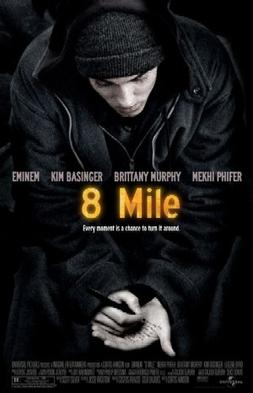
Eminem

Iconic American Rapper
Related Lives
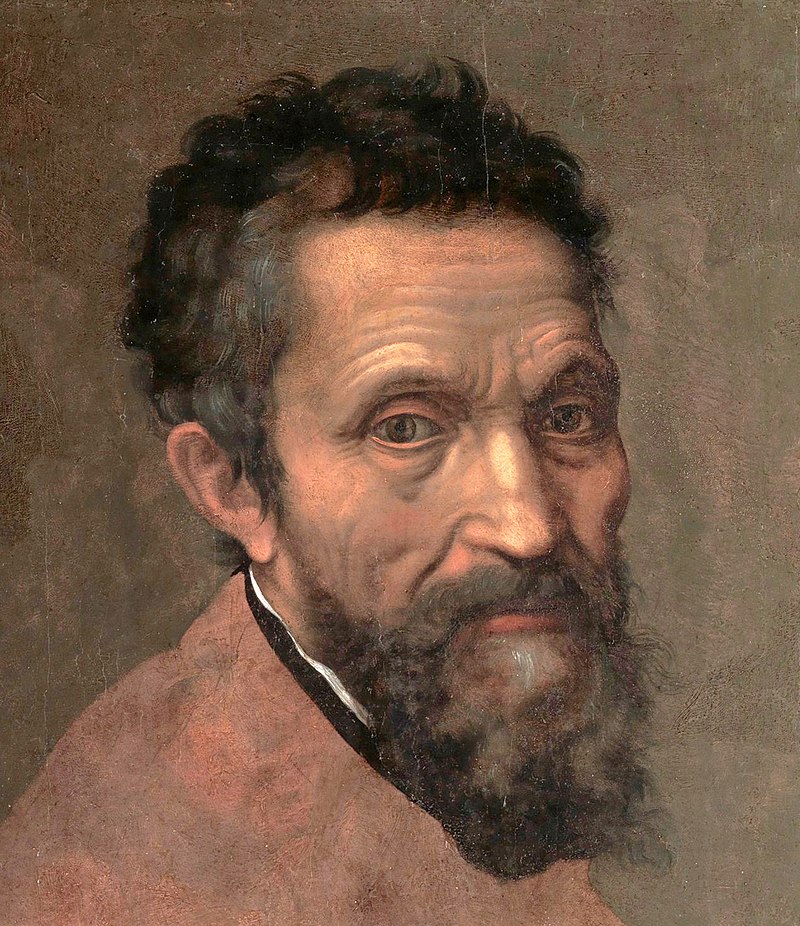
Michelangelo
The Renaissance Master

Emma Stone
Versatile screen gem

Roger Federer
The Swiss Maestro

Serena Williams
The Undisputed Queen of Tennis

Diana, Princess of Wales
People's Princess
Neil deGrasse Tyson
The Voice of Modern Cosmos
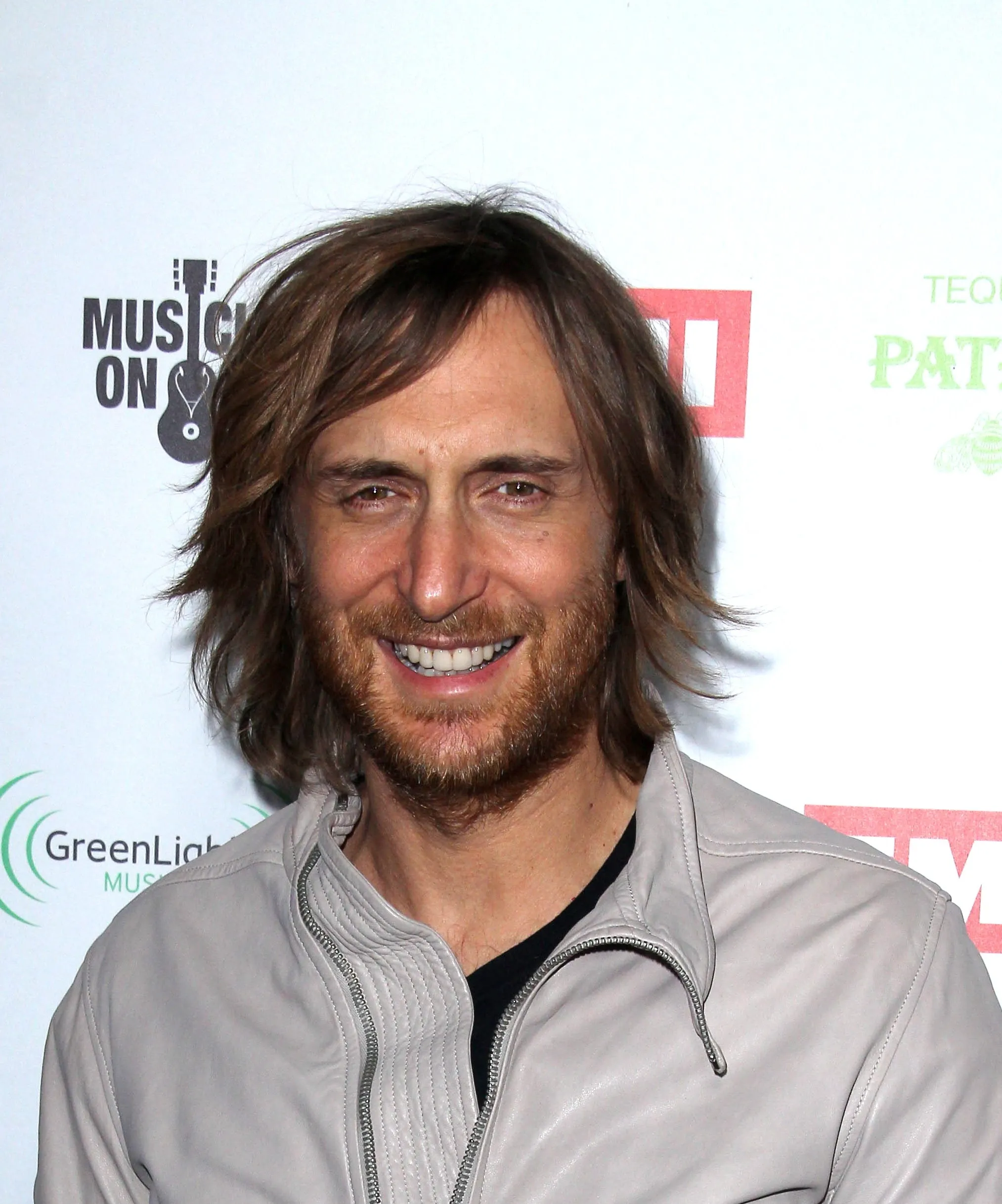
David Guetta
French DJ and Record Producer
Barack Obama
44th President of the United States

2006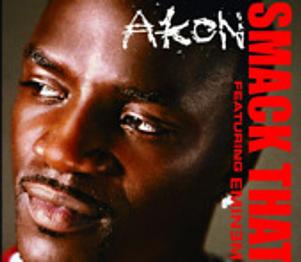
"Smack That," a collaboration between Akon and Eminem, emerged as a standout moment in the music industry. Released as part of Akon's album Konvicted, the track quickly made its mark on the charts. It climbed to the second position on the Billboard Hot 100, demonstrating its widespread appeal in the United States. Internationally, the response was equally enthusiastic, with the song reaching the top spot in the UK and New Zealand.
The track's commercial success was reinforced by its certifications. In the United States, it achieved 2× Platinum status by the Recording Industry Association of America (RIAA). In Australia, the song's popularity was highlighted by a 7× Platinum certification by the Australian Recording Industry Association (ARIA). Germany's Bundesverband Musikindustrie (BVMI) and Belgium's Belgian Entertainment Association (BEA) also certified the track as Platinum, signifying strong sales and streams in these regions.
The collaboration between Akon and Eminem was notable not only for the synergy of their distinct musical styles but also for the industry buzz it generated. Eminem's contribution added a layer of intensity and drew in his extensive fan base, boosting the track's reach and impact. The song was memorable for its infectious rhythm and catchy hook, factors that contributed to its extensive radio play and club rotation.
In terms of its broader impact, "Smack That" played a significant role in solidifying Akon's place in the mainstream music scene, while further cementing Eminem's reputation as a versatile artist capable of crossing genres. The song's inclusion in Konvicted helped propel the album to commercial success, making it one of the defining releases of that period.
Overall, "Smack That" stands as a testament to the potency of strategic collaborations in the music industry, and its achievements reflect the song's widespread popularity and cultural resonance.
#MoofLife #MusicCollaboration #ChartSuccess #PlatinumHit #Akon #Eminem
View detailsIn a notable instance within the music industry, Eminem was honored with the Best Album award for "Curtain Call: The Hits" at the Detroit Music Awards. This compilation album, featuring Eminem's most successful tracks from previous records, underscores his impact on the hip-hop and rap genres. "Curtain Call: The Hits" includes chart-topping singles like "Lose Yourself," "Stan," and "The Real Slim Shady," which collectively exhibit his lyrical prowess and ability to connect with a broad audience.
Eminem's career trajectory prior to receiving this recognition had been marked by both commercial success and personal challenges. With multiple Grammy Awards and millions of albums sold worldwide, he had already established himself as one of the leading figures in rap music. "Curtain Call: The Hits" served as a reflective piece on his achievements, compiling works that had defined and redefined his career.
The Detroit Music Awards, an event celebrating and acknowledging the best talent in Eminem's hometown, provided a platform for highlighting local contributions to the global music scene. Eminem's win further solidified his connection to Detroit, a city often mentioned in his music as a source of inspiration and identity.
Statistically, "Curtain Call: The Hits" was a significant commercial success. It debuted at number one on the Billboard 200 chart and was certified multi-platinum by the Recording Industry Association of America (RIAA), ensuring its place in the annals of popular music. This accolade from the Detroit Music Awards not only recognized the commercial viability and artistic merit of the album but also reinforced Eminem's position as a pivotal figure in the music industry.
#Eminem #CurtainCall #DetroitMusicAwards #BestAlbum #HipHopImpact #MoofLife #MusicAchievement
View detailsEminem, the internationally recognized rapper, experienced a profound loss when his childhood friend and fellow rapper Proof, whose real name was DeShaun Holton, was murdered. Proof was a key figure in Eminem's life, both personally and professionally. They grew up together in Detroit and were founding members of the rap group D12. Proof was often credited as Eminem's mentor, guiding him through the intricacies of the music industry and supporting him in his battles against personal demons.
Proof's murder took place during an altercation at the CCC nightclub in Detroit. He was fatally shot in the head and chest, which led to his immediate demise. This incident not only shocked the local community but also resonated deeply within the hip-hop world. Proof's death was a significant loss for the Detroit music scene and left an indelible mark on those who knew him.
The impact on Eminem was profound. Already struggling with addiction and personal issues, the loss of his best friend pushed him into a deeper state of depression. It affected his music, resulting in a noticeable hiatus and a period of withdrawal from public life. Eminem later referenced this time as one of the darkest periods of his life, where he had to confront his vulnerabilities head-on. During various interviews, Eminem acknowledged that he questioned his future in music and even life itself after losing Proof.
Proof's murder brought attention to the violence in Detroit, especially affecting African American communities. Despite Proof's efforts to uplift his community through his music and mentorship, his life was cut short in a violent act that mirrored the struggles he had sought to escape.
Proof's legacy lives on through his music and the impact he had on those around him, particularly Eminem. The bond they shared is often remembered in Eminem's lyrics and public reflections. The loss of Proof not only marked a turning point in Eminem's personal and professional life but also served as a reminder of the harsh realities that many artists face.
#Eminem #Proof #Detroit #D12 #HipHop #Mentorship #MusicIndustry #Tragedy #MoofLife
View details
Eminem, a prominent figure in the music industry, faced accusations of assault from Miad Jarbou at a Detroit strip club. According to reports, the incident began with a dispute that led to an alleged physical altercation between Eminem, whose real name is Marshall Mathers, and Jarbou. The altercation's details were debated, with witnesses providing varying accounts of the events.
Law enforcement was contacted, and an investigation ensued. The investigation concluded with no formal charges being filed against Eminem. Despite the lack of criminal charges, Jarbou pursued the matter civilly, filing a lawsuit seeking over $25,000 in damages. The lawsuit claimed that Jarbou suffered physical and emotional distress from the incident.
The incident had an impact on Eminem's public image, who at the time, was already a controversial figure in the media due to his provocative lyrics and public persona. However, this event did not have a lasting detrimental effect on his career. Eminem continued to enjoy commercial success and critical acclaim in the years following the incident.
Statistics available from similar celebrity legal disputes suggest that public figures are often subject to both criminal and civil litigation, but the outcomes rarely lead to significant career setbacks unless accompanied by a conviction or admission of guilt. In this case, the resolution of no charges being filed played a crucial role in minimizing the potential damage to Eminem's reputation.
The nuances of the legal landscape highlight that accusations alone do not determine the outcome, and the subsequent civil suit allowed Jarbou a platform to seek redress, reflecting the multifaceted nature of legal remedies available.
#Eminem #LegalDispute #MusicIndustry #Detroit #CelebrityControversy #PublicImage #MoofLife
View details2005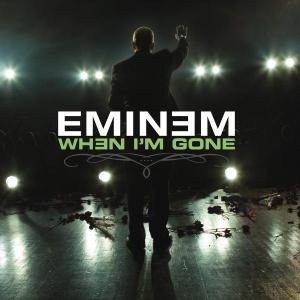
Eminem's track "When I'm Gone" was released as part of his compilation album, Curtain Call: The Hits. This song showcased some of the intense personal conflict he experienced in balancing his career with his role as a father. "When I'm Gone" quickly resonated with audiences, reflecting Eminem's struggles in a relatable way.
Upon its release, "When I'm Gone" achieved significant commercial success. It peaked at number 8 on the Billboard Hot 100 chart, demonstrating its widespread appeal in the United States. Internationally, the song reached number 1 on the UK Singles Chart. Its popularity was further cemented by certifications; it was awarded 5× Platinum by the Recording Industry Association of America (RIAA), 6× Platinum by the Australian Recording Industry Association (ARIA), and Platinum by the British Phonographic Industry (BPI).
The track's success contributed to the overall performance of Curtain Call: The Hits, which included many of Eminem's most popular songs. This compilation was crucial in marking a pinnacle in his career at the time, highlighting the impact he had within the music industry and his enduring influence on his audience.
#MoofLife #Eminem #WhenImGone #CurtainCall #USCharts #UKCharts #PlatinumMilestone
View detailsOn December 6, 2005, an impactful moment in music history unfolded with the release of Eminem's greatest hits album "Curtain Call: The Hits." The album, launched under Shady, Aftermath, Interscope, and Web labels, became a notable entry in the hip-hop world. Dominating the music charts, it debuted at No. 1 on the US Billboard 200, as well as topping charts in the UK, Australia, and New Zealand.
"Curtain Call: The Hits" amassed remarkable sales, reflecting its widespread appeal and Eminem's colossal reach in the industry. In the United States, the album sold over 10 million copies, earning it the prestigious Diamond certification from the RIAA. In the UK, it moved 2.3 million units, and it was certified 10× Platinum by the BPI. In Australia, the album's success was further underscored by its 12× Platinum certification by ARIA.
The album compiled some of Eminem's most influential tracks, showcasing both his lyrical prowess and the evolution of his career. Songs like "Lose Yourself," "Stan," "My Name Is," and "The Real Slim Shady" highlighted his ability to merge provocative storytelling with mainstream appeal. Each track not only added to his legacy but also cemented his status as a household name globally.
The commercial success of "Curtain Call: The Hits" underscored its cultural impact. It bridged gaps across diverse audiences and solidified Eminem's influence in the music industry. The album's triumph was not just a testament to his past work but also served as a milestone, celebrating his journey and contributions to rap and hip-hop.
#Eminem #CurtainCallTheHits #HipHopHistory #DiamondCertified #MusicCharts #RapLegend #MoofLife
View details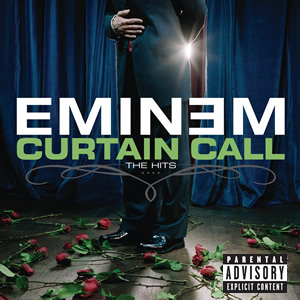
Eminem's performance at Madison Square Garden in New York City was broadcast live on Showtime, showcasing one of the key concerts during his Anger Management Tour 3. Directed by Hamish Hamilton, who is known for capturing live performances with precise detail, the concert film offered fans a raw and unfiltered look at Eminem's artistry and the electrifying atmosphere of his live shows.
The concert was significant for both Eminem and his audience. Not long after the broadcast, the concert film received physical releases on DVD and later on Blu-ray through Eagle Rock, ensuring that the performance would reach a broader audience beyond those who initially tuned in or attended the gig. This release was particularly important as it captured a point in Eminem's career where his lyrical prowess and stagecraft were on full display.
The Anger Management Tour 3, of which this performance was a part, was a major commercial success, drawing large crowds throughout its run. Each show on the tour, including this one at Madison Square Garden, was known for its high-energy delivery and meticulous production values. According to various metrics, the tour cemented Eminem's status as one of the most impactful performers in hip-hop, reaching diverse audiences both in the United States and abroad. The live broadcast and subsequent film releases helped amplify this impact, turning the live event into a lasting artifact of popular music.
#Eminem #MadisonSquareGarden #LiveConcert #AngerManagementTour #Showtime #HamishHamilton #EagleRock #MoofLife
View detailsIn a notable event at Madison Square Garden, Eminem headlined a concert as part of the Anger Management Tour. The concert was captured in a film titled "Live from New York City," documenting Eminem's performance. He was supported by acts such as D12, Obie Trice, and Stat Quo, adding to the excitement of the night.
Eminem's setlist included tracks from his albums, providing fans with an extensive live experience of his influential work. The performance bridged his earlier releases with contemporary hits, showcasing his versatility and sustained relevance in the music industry. D12, his long-time collaborators, amplified the energy, performing a series of well-received tracks alongside Eminem.
Obie Trice and Stat Quo, who were also part of Eminem's Shady Records label, brought their own styles to the performance. They not only supported the headlining act but also displayed the cohesive artistry within Shady Records. The collaboration highlighted the strength of the label's roster during a pivotal time in their careers.
The Anger Management Tour itself was a significant series in the early 2000s, known for featuring major artists in the rap and hip-hop genres. Eminem's role as a headliner underscored his stature in the music scene. The Madison Square Garden concert was a testament to his drawing power, attracting a large audience eager to witness his live performance.
From a broader perspective, the concert film "Live from New York City" provided a comprehensive insight into Eminem's live dynamic, immortalizing one of his many celebrated shows. The film extended the experience beyond those in attendance, allowing fans worldwide to partake in the event's intensity.
Eminem's concert at Madison Square Garden, supported by D12, Obie Trice, and Stat Quo, remains a documented highlight of the Anger Management Tour. It captured the collaboration and spirit of Shady Records' artists and demonstrated Eminem's influence and appeal in the rap industry.
#Eminem #MadisonSquareGarden #AngerManagementTour #ShadyRecords #LiveMusic #ConcertFilm #D12 #ObieTrice #StatQuo #MoofLife
View detailsAt the World Music Awards, Eminem achieved notable recognition by winning two awards: World's Best Selling Pop/Rock Artist and World's Best Selling Rap/Hip-Hop Artist. These accolades highlighted both his versatility and dominance in the music industry. Standing on the global stage, Eminem's wins underscored his widespread influence and massive commercial success.
Eminem, born Marshall Bruce Mathers III, had already established himself as a significant force in the music world. His album sales had broken records, with his third studio album, "The Marshall Mathers LP," debuting with 1.7 million copies sold in the first week in the United States. Following this, his subsequent releases continued to perform extraordinarily well on the charts, both domestically and internationally.
At the awards event, Eminem's triumph was shared among other industry respected artists, yet his recognition in two distinct categories—Pop/Rock and Rap/Hip-Hop—marked a rare accomplishment. This achievement reflected his cross-genre appeal and his ability to attract a broad audience, beyond the boundaries typically set for rap artists. Weeks leading up to this event, his tracks consistently dominated airwaves, and his music videos garnered high rotation on major networks.
The impact of these awards on Eminem's career was tangible. Dominating two genres allowed him to maintain a unique position in music, influencing upcoming artists across various styles. His lyrical prowess and often controversial thematic elements continued to generate interest and discussions, further fueling his rise in both popularity and notoriety.
Analyses of music sales data around this period showed a significant surge in Eminem's album and single purchases post-award, affirming his dominant presence. Listing these achievements highlighted his global reach, reflecting both critical and commercial success.
In summary, Eminem’s dual accolades at the World Music Awards epitomized his broad-spectrum appeal and solidified his status as a transcendent artist in both Pop/Rock and Rap/Hip-Hop spheres.
#Eminem #MusicAwards #PopRock #RapHipHop #MoofLife
View detailsEminem entered drug rehabilitation for dependency on sleep medication, a decision influenced by his ongoing battle with insomnia and the related use of prescription drugs. By this point, Eminem’s career was marked by both massive success and significant personal challenges. Albums such as "The Slim Shady LP" and "The Marshall Mathers LP" solidified his position in the music industry, but his private life faced instability.
His dependency on sleep medication had developed over time, exacerbated by the stresses associated with fame, personal loss, and an unrelenting work schedule. The abuse of sleep medication included drugs such as Ambien, which he initially used to manage his erratic sleep patterns. Overuse led to dependency, impacting his physical health and personal relationships. This step towards rehabilitation marked a critical juncture in Eminem's life, underscoring the human side of an artist often viewed through the lens of his public persona.
The music industry and fans took note of his decision, reflecting broader issues of mental health and substance dependency within the entertainment world. Eminem's choice to enter rehab highlighted the pressures faced by those in the public eye and the importance of seeking help. The artist’s journey through rehabilitation was closely followed by media outlets, industry peers, and his extensive fan base, emphasizing the global nature of his influence and the reach of his personal struggles.
Following his rehabilitation, Eminem took a hiatus to focus on recovery, reflecting a period of introspection and healing. His subsequent return to music and public life demonstrated resilience and a renewed perspective on health and well-being. This event also contributed to conversations about the impacts of fame and the necessity of support systems for artists facing similar challenges.
Eminem’s experience was a reminder of the widespread issue of prescription drug dependency, adding to public awareness and discourse around mental health and addiction recovery. It served as both a cautionary tale and a message of hope.
#Eminem #Rehabilitation #MentalHealth #SubstanceDependency #AddictionRecovery #MoofLife
View detailsAt the Teen Choice Awards in 2005, Eminem received significant recognition by winning two awards: Choice Music Rap Artist and for his song "Mockingbird." This event took place during a transformative period in Eminem's career, highlighting his influence in the music industry and the cultural impact of his work.
"Mockingbird," a deeply personal track from his fifth studio album "Encore," touched on family themes and connected with a wide audience. The song's candid exploration of his experiences as a father distinguished it from typical rap narratives, showcasing Eminem's versatility and depth as an artist. The recognition of this song at the Teen Choice Awards was a testament to its widespread appeal among young listeners and its capacity to blend mainstream popularity with heartfelt storytelling.
Winning the Choice Music Rap Artist award further solidified Eminem's position as a leading figure in the rap genre. During this period, his music not only topped charts but also resonated internationally, breaking cultural and geographic barriers. The Choice Music Rap Artist award acknowledged his broader contributions to music and his role in shaping the landscape of rap.
Eminem's success at the Teen Choice Awards reflected the evolving tastes of young audiences and their growing appreciation of rap music. This recognition helped further mainstream acceptance of the genre and demonstrated Eminem's ability to influence pop culture. The awards also highlighted the importance of personal narratives in connecting with fans, illustrating how music could bridge personal experiences and collective moments.
#Eminem #Mockingbird #TeenChoiceAwards #RapMusic #MusicAwards #CulturalImpact #MoofLife
View detailsAt the ECHO Awards 2005, rapper Eminem won the Best Album award for his fifth studio album, "Encore." Since its release, "Encore" had achieved significant commercial success, debuting at number one on the Billboard 200 and selling over 1.5 million copies in its first two weeks. The album featured tracks like "Like Toy Soldiers," "Mockingbird," and "Just Lose It," which not only climbed music charts worldwide but also sparked conversations in the music industry due to their controversial lyrics and bold themes.
Eminem, known for his impactful and sometimes provocative musical style, continued to solidify his place in the hip-hop industry with "Encore." The album reflected a mix of personal introspection and social commentary, touching on topics ranging from his struggles with fame to critiques of global politics. Despite mixed reviews from critics, its commercial performance and the resonance of its tracks among fans underscored Eminem's influence.
The win at the ECHO Awards, held in Berlin, Germany, was a notable accolade in Eminem's career, as the event is one of Europe's prominent music award shows, recognizing outstanding achievement in the music industry. This win signified international recognition of not only Eminem's artistry but also the global reach of his music.
The event highlighted the fusion of American hip-hop with European music culture, underscoring Eminem's ability to transcend geographic and cultural boundaries. The ECHO Award for Best Album further cemented his status as a leading figure in the music world.
#Eminem #Encore #EchoAwards #HipHop #BestAlbum #MusicIndustry #MoofLife
View detailsEminem’s track "Mockingbird" was an emotional tribute featured on his album Encore. This song quickly gained traction, peaking at #11 on the Billboard Hot 100 chart in the United States and at #9 in Australia. Recognized for its heartfelt lyrics, "Mockingbird" resonated with a global audience, reflecting Eminem's personal experiences and struggles, particularly his relationship with his daughter, Hailie.
On the commercial front, "Mockingbird" achieved significant milestones. The Recording Industry Association of America (RIAA) certified the track 5× Platinum, acknowledging over five million units in sales and streams. Similarly, the Australian Recording Industry Association (ARIA) awarded it a 9× Platinum status, indicating extensive consumption and popularity in that region. In the United Kingdom, the British Phonographic Industry (BPI) certified the song 3× Platinum, further demonstrating its widespread appeal.
Despite the introspective nature of the lyrics, "Mockingbird" maintained Eminem's signature style and lyrical prowess, which were critical to its success. The track's impactful narrative and relatable themes contributed to its high ranking on multiple international charts and its substantial sales certifications.
#Mockingbird #Eminem #Encore #BillboardHot100 #ARIA #RIAA #BPI #MoofLife
View details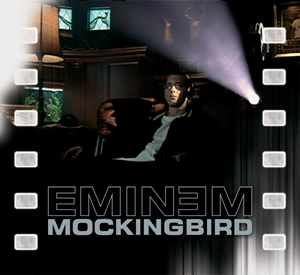
At the Brit Awards 2005, Eminem won the category of International Male Solo Artist. The rapper, known for his complex lyrics and controversial persona, garnered a significant achievement in the British music scene. This accolade was part of the artist's broad recognition and popularity that had been mounting over the past several years.
Eminem's influence extended far beyond the American music landscape, with his albums "The Marshall Mathers LP" and "The Eminem Show" contributing to his international acclaim. His lyrical prowess, combined with his fierce stage presence and ability to touch on social and personal issues, resonated with a global audience.
The Brit Awards have a history of showcasing global talent and honoring artists whose work impacts the UK and beyond. Winning the International Male Solo Artist category marked Eminem as a leading figure in this space. Eminem’s win also reflected the evolving landscape of hip-hop music, which increasingly found a home in mainstream British culture in addition to its roots in the United States.
Statistically, this win placed Eminem among other international icons recognized by the Brit Awards, reflecting his commercial success and critical acclaim. The award helped solidify Eminem’s prominence within the UK music market, contributing to the high sales and streaming numbers of his work.
The impact of Eminem's win at the Brit Awards stretched beyond just the music industry; it indicated a cultural shift where hip-hop was gaining respect and recognition among wider audiences. His win was also indicative of the intricate layers hip-hop brings to music, addressing issues from personal struggles to broader societal challenges.
#Eminem #BritAwards #InternationalArtist #HipHopRecognition #MusicAwards #UKMusicScene #MoofLife
View details"Like Toy Soldiers," a track from Eminem's album "Encore," reached notable success when it was released. It climbed to #34 on the Billboard Hot 100 and secured the #1 spot on the UK charts. The Recording Industry Association of America (RIAA) certified it 3× Platinum, while the Australian Recording Industry Association (ARIA) certified it 4× Platinum. The British Phonographic Industry (BPI) also awarded it Platinum status.
The song centers on the violence and feuds within the hip-hop community. Eminem addresses the deaths and violence that have plagued the rap industry, using a military metaphor to highlight the struggles and challenges faced by artists. The track samples Martika's 1989 song "Toy Soldiers," integrating a haunting melody that underscores its serious message.
Eminem's lyrical prowess and storytelling ability are on full display, offering a poignant reflection on conflict within the rap world. The accompanying music video vividly portrays the song's themes, featuring dramatized scenes that depict the fallout from rap battles and beefs.
"Like Toy Soldiers" was commercially successful and critically acclaimed. Its various accolades and chart positions underline Eminem's influence and reach in the music industry. The song's certification milestones further reflect its widespread appeal and enduring impact.
#HipHop #Eminem #ChartToppers #MusicCertification #EncoreAlbum #MoofLife
View details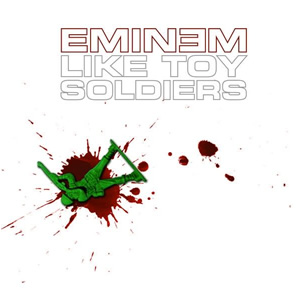
2004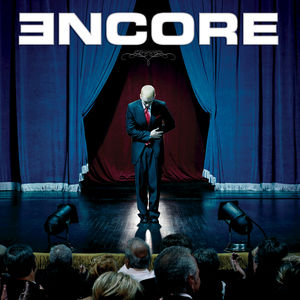
Eminem's album "Encore" was released by Shady Records, Aftermath, and Interscope. This album marked a significant commercial success, debuting at No. 1 in the United States, United Kingdom, Canada, and Australia. It sold 11 million copies worldwide, with 7.93 million copies sold in the United States alone. As a result, "Encore" received a 5× Platinum certification from the Recording Industry Association of America (RIAA) and an 8× Platinum certification in Australia.
The album was a continuation of Eminem's influence in the early 2000s, following his previous successful records. Its release not only solidified his status as a major figure in the music industry but also impacted pop culture significantly during that time. With its commercial performance, "Encore" demonstrated Eminem's continued ability to resonate with a broad audience across multiple countries.
Tracks from the album received extensive airplay, contributing to its high sales numbers. These achievements reflect the powerful connection Eminem had cultivated with his listeners, showcasing the widespread appeal and influence of his music.
#Eminem #Encore #ShadyRecords #Aftermath #Interscope #RIAA #Platinum #HipHop #MusicIndustry #GlobalSuccess #MoofLife
View detailsEminem released the politically charged song "Mosh" as part of his album, *Encore*. This track garnered attention and climbed to #12 on the Bubbling Under R&B/Hip-Hop Singles chart shortly after its release. The song was notable for its direct and unfiltered critique of the then-current U.S. administration, calling for listeners to stand up against perceived injustices.
"Mosh" featured a compelling combination of a brooding beat and stern lyrics, encouraging political activism among young people. Eminem's focus on mobilizing voters and raising awareness about political issues resonated heavily in the cultural and social landscape, contributing to a heightened political discourse.
The music video that accompanied "Mosh" was equally provocative. Directed by Ian Inaba, it depicted Eminem leading a crowd of people wearing hooded sweatshirts, symbolizing a grassroots uprising. The imagery of storming government buildings was stark and resonated with sentiments of frustration and desire for change.
Upon its release, the song stirred considerable debate, drawing both praise and criticism for its bold stance and aggressive style. Despite the polarizing reactions, "Mosh" remains a notable example of music intersecting with political advocacy.
#Mosh #Eminem #PoliticalRap #HipHop #MoofLife #Encore
View details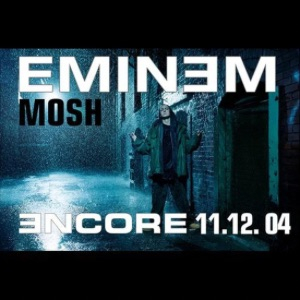
In an interview that garnered widespread attention, Michael Jackson expressed his displeasure with Eminem's "Just Lose It" music video. The video featured scenes that parodied Jackson's personal life, including references to his plastic surgeries and a 1993 child molestation accusation—charges for which Jackson was later acquitted.
Michael Jackson addressed the issue through a phone call to 'The Steve Harvey Morning Show.' He stated that he found the video offensive and disrespectful, particularly in light of his ongoing legal and personal challenges. He emphasized that such portrayals were not only hurtful to him but also set a harmful precedent for the entertainment industry. Jackson's feelings were echoed by his supporters and several influential figures in the music industry, who called for the video to be pulled from rotation.
BET (Black Entertainment Television) responded by removing the video from its playlist, citing respect for Jackson's legacy and his contributions to the music industry. However, other music networks, including MTV, continued to air the video, leading to further debates about freedom of expression versus respect for public figures.
Eminem maintained a stance that the video was meant purely for comedic purposes and was not intended to harm Jackson. Despite the controversy, "Just Lose It" remained a commercial success, further fueling discussions about the responsibilities of artists when depicting real-life individuals.
The incident highlighted the tension between artistic freedom and personal dignity, raising questions about where the line should be drawn in satire and parody. This event remains a notable example of how pop culture, media representation, and personal rights intersect in complex ways.
#MichaelJackson #Eminem #JustLoseIt #MusicIndustry #MediaEthics #MoofLife
View detailsOn September 28, Eminem released "Just Lose It" as part of his album "Encore." The song quickly gained traction and peaked at number six on the Billboard Hot 100 in the United States. It also achieved remarkable success internationally, securing the number one spot on the UK Singles Chart. "Just Lose It" was certified 2× Platinum by the Recording Industry Association of America (RIAA), 4× Platinum by the Australian Recording Industry Association (ARIA), and Platinum by the British Phonographic Industry (BPI).
"Just Lose It" is known for its controversial lyrics and video, which parodied several famous personalities, including Michael Jackson and Madonna. The song's release sparked discussions and debate in the media, contributing to its rapid climb on the charts. This controversy, coupled with Eminem's already significant popularity, ensured extensive media coverage and public attention.
The song's commercial success was complemented by its impact on digital platforms and radio airplay. The attention from the media and fans alike propelled it to become a viral hit, underscoring Eminem's influence in the music industry.
Eminem's strategic choice in releasing "Just Lose It" showcased his ability to command the spotlight and drive album sales. "Encore" benefitted from the song's momentum, contributing to its overall commercial success and reinforcing Eminem's position as a prominent figure in the rap genre.
#MoofLife #Eminem #JustLoseIt #Encore #BillboardHot100 #UKChartTopper #PlatinumCertified
View details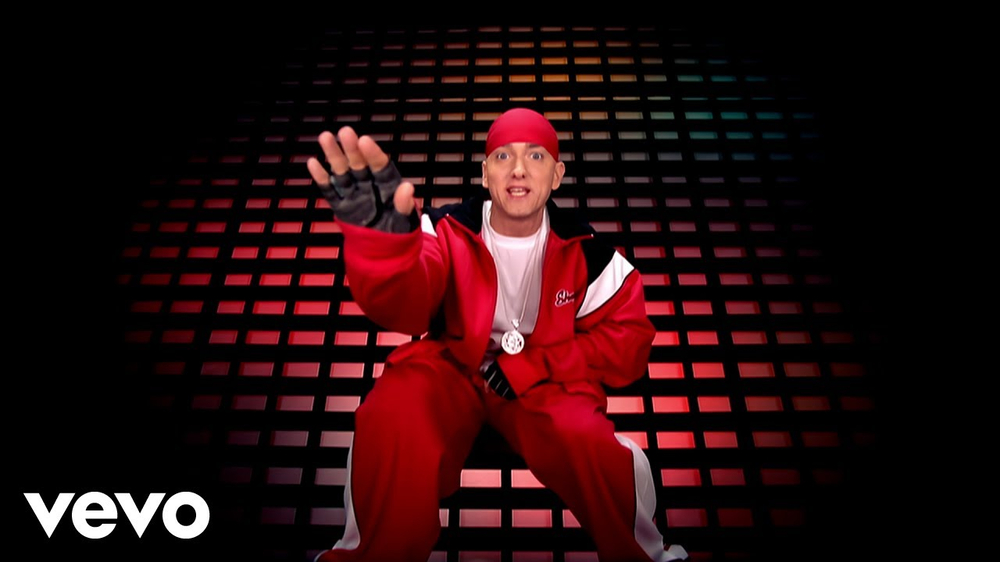
Eminem launched his satellite music channel, Shade 45, on Sirius radio, marking a significant venture in his career and in the hip-hop industry. Shade 45 became an uncut channel dedicated to urban music, offering a mix of hip-hop, rock, and rhythm and blues. This launch positioned Eminem not just as a rapper but also as a curator of a broader cultural space for music and talk shows.
The establishment of Shade 45 offered a platform for the raw and unfiltered hip hop that mainstream radio often shunned. Eminem's own influence and popularity drew significant attention, giving the channel an immediate boost in terms of both credibility and audience. Notable artists like 50 Cent, Lloyd Banks, and DJ Whoo Kid were among the frequent contributors, lending their voices and talents.
Shade 45's creation reflected a shifting landscape in music consumption. Satellite radio was emerging as an alternative to traditional terrestrial radio, providing diverse and niche content. Sirius radio's collaboration with a high-profile artist like Eminem showcased the growing importance of content diversity in attracting listeners.
Functionally, Shade 45 operated 24/7, offering a blend of music and talk, including unique segments and interviews with industry figures. It provided a critical space for upcoming artists to showcase their work and for established artists to stay connected with their fanbase. The channel also embraced interactive elements, where listeners could engage directly, influencing the music and topics discussed.
Statistically, the initial launch saw a significant spike in Sirius subscriptions, driven by Eminem's global fanbase. Shade 45 also contributed to the growing demand for satellite radio, complementing broader trends in media consumption and digital broadcasting. This initiative highlighted the intersection of celebrity influence and media technology, reflecting both Eminem’s entrepreneurial spirit and the evolving dynamics of the music industry.
Shade 45 continues to serve as a cornerstone for uncensored and quality hip-hop, maintaining its relevance years after its inception. Eminem utilized his platform not just to entertain but to influence and shape the dialogue within the hip-hop community, continually adapting to changes in the music and broadcasting landscapes.
#MoofLife #HipHop #Eminem #Shade45 #SiriusRadio #MusicIndustry #DigitalBroadcasting
View detailsShady Records and Aftermath released a box set titled "The Singles," which brought together Eminem's prominent singles in CD format. This release included hit tracks that spanned the early phase of Eminem’s career, showcasing his rise in the music industry. The collection aimed to provide fans and new listeners with a comprehensive look at the songs that made significant impacts on the charts and culture.
"The Singles" featured tracks like "My Name Is," "The Real Slim Shady," "Stan," and "Without Me," among others. Each song in the compilation had previously achieved commercial success, reaching high positions on various music charts and receiving notable airplay. They also played a role in cementing Eminem’s reputation as a provocative and influential artist.
Eminem's use of provocative themes and controversial lyrics contributed to the singles' popularity but also sparked debates about censorship and artistic freedom. His singles often addressed personal struggles, fame, and socio-political issues, resonating with a broad audience and generating widespread discussions.
Sales data from the time reflects strong consumer interest. The box set contributed to Eminem's sustained presence in the music industry, reinforcing his influence beyond initial releases. The release of "The Singles" also coincided with the increasing significance of physical media collections during a period when digital music began to gain traction.
#Eminem #TheSingles #ShadyRecords #Aftermath #MoofLife
View detailsEminem's accomplishments at the Grammy Awards on February 8 were a defining moment in his career and in the hip-hop genre itself. Two of his awards, Best Rap Song and Best Male Rap Solo Performance, were both for the iconic track "Lose Yourself." This song had been released as part of the soundtrack for the movie "8 Mile," which was loosely based on Eminem's own life. "Lose Yourself" had already demonstrated massive commercial success, topping charts worldwide, which contributed to its recognition by the Recording Academy.
Eminem's victory reflected his prowess as a musician and a poet. With intricate lyrics that encapsulated struggles and aspirations, "Lose Yourself" resonated deeply with a broad audience. The rapper had already become a prominent figure in the music industry, but these accolades solidified his position as a leading artist in both the rap genre and popular music.
The influence of "Lose Yourself" extended beyond the music charts. It became an anthem for determination and resilience, often used in motivational contexts. Also, it set a precedent for the depth and lyrical complexity expected in rap music. The song’s success paved the way for future rap compositions in mainstream award platforms, thus broadening the scope of the genre.
Commercially, "Lose Yourself" not only bolstered album sales for Eminem but also had substantial radio play and digital downloads, contributing to its enduring popularity. The track garnered positive reviews from critics and fans alike, which further elevated Eminem's status in an already flourishing career. Even years after its release, "Lose Yourself" continues to be celebrated, often cited as one of Eminem's best works and a classic in the rap genre.
This moment at the Grammy Awards was more than just a career milestone for Eminem; it marked a moment of recognition for hip-hop in the broader music industry. The mainstream success and critical acclaim of "Lose Yourself" showcased the artistic validity of rap and its capacity to convey powerful messages, thus influencing future musical narratives.
#Eminem #LoseYourself #GrammyAwards #RapMusic #HipHopHistory #MusicMilestones #MoofLife
View details2003
The U.S. Secret Service initiated an investigation into rapper Eminem for allegedly threatening then-President George W. Bush in the unreleased song "We As Americans." The investigation started after the lyrics of the song surfaced online, drawing public attention and raising concerns about the content. In the song, Eminem made references that were interpreted as potential threats towards the President, which prompted the Secret Service to assess whether there was a legitimate danger.
This scrutiny of Eminem, whose real name is Marshall Mathers, signified the heightened sensitivity of governmental agencies to potential threats after the events that had dramatically altered the security landscape in the United States. The Secret Service's involvement reflected its mandate to protect national leaders and address any plausible threats, regardless of their source, including cultural icons like Eminem.
The controversy surrounding the lyrics also highlighted the ongoing tension between artistic expression and national security issues. Eminem, known for his provocative and often contentious lyrics, had faced criticism and legal challenges before, but this situation underscored the fine line artists sometimes walk in their creative output.
Public reaction was mixed. Some supported the Secret Service's vigilance, while others felt the probe infringed on freedom of speech. Eminem's fan base largely viewed the investigation as an overreach, interpreting the lyrics as hyperbolic rather than literal threats.
Ultimately, Eminem's song "We As Americans" remained unreleased at the time, but the incident drew significant attention to the boundaries of free speech and the role of federal agencies in monitoring public figures.
#Eminem #SecretService #FreeSpeech #GeorgeWBush #RapControversy #NationalSecurity #MoofLife
View detailsAt the American Music Awards, Eminem achieved a remarkable milestone by winning four awards: Favorite Hip-Hop/R&B Male Artist, Favorite Pop/Rock Male Artist, Favorite Pop/Rock Album for "The Eminem Show," and Favorite Hip-Hop/R&B Album for "The Eminem Show." This event highlighted Eminem's crossover appeal and impact on both the Hip-Hop/R&B and Pop/Rock music scenes.
"The Eminem Show," which featured singles like “Without Me” and “Sing for the Moment,” was both a commercial success and a critical favorite. The album sold millions of copies and received widespread praise for its lyrical depth and production quality. Eminem's versatility and ability to engage a broad audience played a crucial role in his dominance at the awards ceremony.
Winning these awards was more than just a personal triumph for Eminem; it also signaled a shift in the music industry, where an artist known primarily for his contributions to the rap genre could also be recognized for his influence on mainstream pop and rock music. Moreover, his wins in multiple categories underscored his broad appeal and the significant impact of "The Eminem Show" on various music genres.
Eminem's accolades at the American Music Awards were further validated by his substantial chart success, with "The Eminem Show" topping the Billboard 200 chart for several weeks. The album's success illustrated the changing dynamics of music consumption and the increasing blending of different musical styles.
These achievements not only cemented Eminem’s status as a leading figure in the music industry but also reflected the audience's growing appreciation for genre-defying artists. The recognition boosted his profile and set the stage for future endeavors in his career.
#Eminem #HipHop #PopRock #AMAs #TheEminemShow #MusicIndustry #ChartSuccess #MoofLife
View detailsEminem's win for Best Hip-Hop Act at the MTV Europe Music Awards was a landmark achievement in his career and in the hip-hop industry. The award ceremony, held in Edinburgh, Scotland, showcased global musical talent, but Eminem stood out, not just for his artistry but for his commercial success and critical acclaim.
Eminem, whose real name is Marshall Bruce Mathers III, had already made a name for himself with groundbreaking albums like "The Slim Shady LP," "The Marshall Mathers LP," and "The Eminem Show." Each of these albums had received multi-platinum certification and won numerous awards, establishing him as a dominant force in the hip-hop scene. During this period, Eminem's ability to combine intricate lyricism with commercial appeal had set him apart from his peers.
Winning the Best Hip-Hop Act at this prestigious European event solidified his position as a global icon in the music industry. It illustrated the extensive reach of his music, crossing borders and resonating with diverse audiences. This accolade was a testament to his influence on not just hip-hop but on the broader music landscape.
From a statistical perspective, Eminem’s sales figures were staggering, with his albums collectively selling millions of copies worldwide. His presence in the charts was consistent, often occupying top positions. The music videos of his hit singles were frequently broadcast on networks like MTV, further increasing his visibility and reinforcing his status as a leading artist.
This win also highlighted the evolving nature of hip-hop as a genre that was gaining substantial traction in Europe, a region traditionally dominated by other music styles. Eminem's ability to earn this recognition contributed to the genre's growing acceptance and popularity across diverse demographics.
In summary, Eminem’s triumph at the MTV Europe Music Awards for Best Hip-Hop Act underlined his significant contributions to music, marking a notable point in his career and in the global acceptance of hip-hop. His influence on the industry was, and continues to be, profound.
#Eminem #HipHopAct #MTVEuropeMusicAwards #MusicHistory #MoofLife
View detailsDeAngelo Bailey, an associate of Eminem from his school days, initiated a legal suit stating that Eminem had compromised his privacy by including references to him in the song 'Brain Damage.' In this track, Eminem depicted Bailey as a school bully who inflicted physical harm on him, a portrayal that Bailey contended was fabricated and damaging to his image.
The case presented a complex intersection of First Amendment rights, privacy laws, and the scope of creative expression in artistic works. Eminem's legal team asserted that the song's content fell under the protection of artistic freedom, emphasizing that it was a dramatized account rather than a literal retelling. The court had to balance Eminem's right to freedom of speech against Bailey’s claim of defamation.
In an unusual and notable move, Judge Deborah Servitto delivered her ruling in the form of a rap verse. This ruling not only dismissed Bailey's lawsuit but also underscored the court's recognition of artistic expression in rap music. Judge Servitto's decision highlighted the importance of context in evaluating artistic works and their references to real individuals.
This ruling had significant implications for the music industry, affirming the protection of creative expression within the bounds of the law. It set a precedent for how courts might handle similar cases where artistic work involves real-life individuals. The unique delivery of the judgment garnered widespread media coverage and became a notable reference in discussions about the legal treatment of artistic works.
The court’s decision reinforced artists' ability to draw from personal experiences and public figures in their work without fear of excessive legal repercussions. This case remains a landmark in the debates over artistic liberty, privacy, and the boundaries between them.
#Eminem #LegalRuling #ArtisticExpression #MusicIndustry #FirstAmendment #FreedomOfSpeech #MoofLife
View detailsEminem's impact on the music industry was affirmed at the World Music Awards in Monte Carlo, where he secured three prestigious awards: World's Best Pop/Rock Artist and World's Best American Male Artist. The event underscored his dominance in the global music scene, marking a significant recognition for an artist known for his provocative lyrics and compelling storytelling.
Eminem, born Marshall Bruce Mathers III, had already carved a niche in the industry with albums such as "The Slim Shady LP" and "The Marshall Mathers LP," which notably catapulted him to stardom. At the awards ceremony, his recognition came against the backdrop of fierce competition from various global artists, highlighting his broad appeal across different audiences.
The awards attributed to Eminem signified more than just his popularity; they were a testament to his artistic influence and the depth of his reach. With the World's Best Pop/Rock Artist award, he was acknowledged not merely within the hip-hop community but across broader genres, showcasing his impact on mainstream music. Similarly, the World's Best American Male Artist award highlighted his significant contribution to the American music scene, a feat compounded by his ability to tackle societal issues through his lyrics.
Eminem's accolades were supported by impressive statistics. His album sales, crossing millions globally, and his consistent presence at the top of music charts showcased his commercial success. Additionally, his influence extended into the cultural domain, where his music stirred conversations around themes such as poverty, identity, and resilience.
The awards received by Eminem at the World Music Awards solidified his status as a groundbreaking artist. They not only confirmed his dominance in the landscape of early 2000s music but also set a precedent for future hip-hop artists aspiring to achieve crossover success.
#Eminem #WorldMusicAwards #MusicLegacy #HipHop #GlobalRecognition #MoofLife
View detailsAt the Teen Choice Awards 2003, Eminem earned notable recognition, securing four awards: Choice Movie Actor Drama/Action Adventure, Choice Movie Breakout Star - Male, Choice Music Male Artist, and Choice Music Rap Artist. This achievement highlighted a pivotal point in his career, emphasizing his versatility across multiple entertainment fields.
Eminem, known primarily for his success in the music industry, had recently made a significant impact with his performance in the film "8 Mile." The movie portrayed a semi-autobiographical account of his early life and struggles, showcasing his acting abilities alongside his established rap career. "8 Mile" was both a commercial success, grossing over $240 million globally, and critically acclaimed, further cementing his reputation as a multifaceted artist.
His victory as Choice Movie Actor Drama/Action Adventure and Choice Movie Breakout Star - Male highlighted his successful transition into the film industry. These wins underscored the broad appeal of his role in "8 Mile," attracting both box office audiences and critical praise.
Simultaneously, his acknowledgment as Choice Music Male Artist and Choice Music Rap Artist demonstrated his continued dominance and popularity in the music industry. By this time, Eminem had already established himself as a leading figure in rap, with multiple platinum-selling albums and numerous hits. His dual recognition in both music and film at the Teen Choice Awards illustrated the expansive reach of his influence.
The Teen Choice Awards, which focus on honoring the year's biggest achievements in music, movies, sports, television, fashion, and more as voted by teenagers, saw Eminem's victories resonate strongly with a younger demographic. His success at this event reflected his broad appeal and his ability to connect with a youthful audience across different entertainment platforms.
#Eminem #TeenChoiceAwards #8Mile #MusicandFilm #RapLegend #MoofLife
View details"Don't Come Down," a track produced by Eminem featuring Obie Trice on his debut album "Cheers," marked a notable collaboration within the hip-hop industry. Obie Trice's album was released under Shady Records, a label founded by Eminem and his manager Paul Rosenberg. The production of "Don't Come Down" is characterized by Eminem's signature style, blending hard-hitting beats with introspective lyrics.
Obie Trice’s debut through "Cheers" was a strategic move by Eminem to spotlight the talent within his label. Prior to this release, Obie Trice had already made a significant impression with his appearance on the D12 album, laying the groundwork for his solo career. "Cheers" itself garnered commercial success, making its debut at number five on the Billboard 200 chart.
The track "Don't Come Down" stands out for its lyrical depth and the dynamic synergy between the two artists. Eminem’s influence is evident in the production quality and thematic elements, dealing with personal struggles and resilience. Eminem’s involvement not only provided a robust platform for Obie Trice but also reinforced Shady Records' reputation for producing influential hip-hop music.
Statistics from the time reflect the album's impact, with "Cheers" selling over 500,000 copies, earning a Gold certification from the RIAA. This certification underscores the commercial viability of both Obie Trice as an artist and the strategic decisions made by Shady Records in nurturing and promoting emerging talent.
The collaboration in "Don't Come Down" is illustrative of Eminem's role as a producer and mentor. By leveraging his own industry experience and artistic vision, Eminem helped shape Obie Trice's musical identity and commercial success. This moment in music history underscores the importance of mentorship and collaboration in the hip-hop industry, contributing to the broader narrative of Shady Records' impact on the genre.
#ObieTrice #Eminem #ShadyRecords #CheersAlbum #HipHop #MusicCollaboration #MoofLife
View details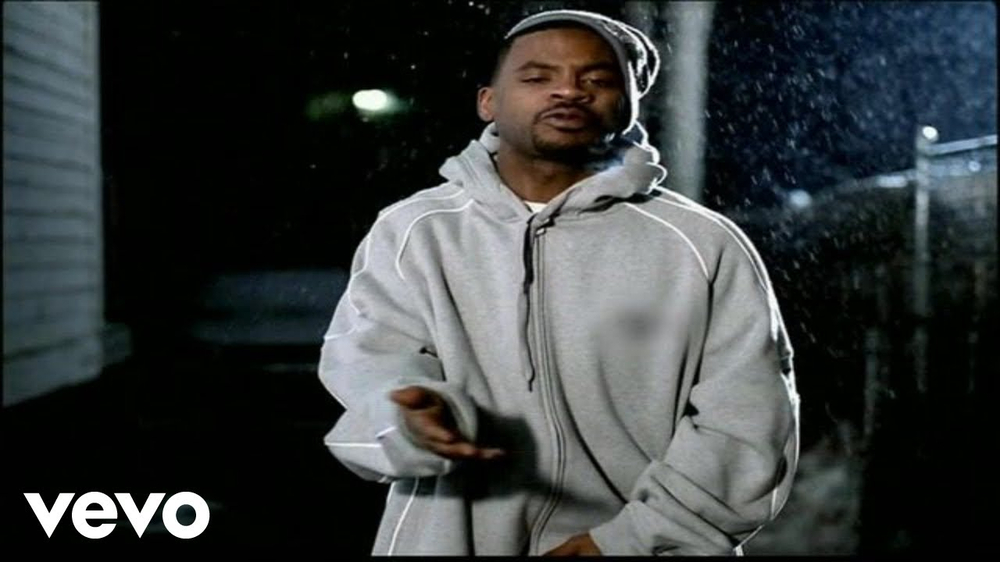
At the BMI Film/TV Awards, Eminem secured the Best Song honor for "Lose Yourself" from the movie "8 Mile." This event celebrated the intersections of film and music, showcasing the notable impact of "Lose Yourself" within both industries. "Lose Yourself," which Eminem wrote and performed, was a centerpiece of the "8 Mile" soundtrack, resonating broadly due to its powerful lyrics and compelling narrative.
"8 Mile," a semi-autobiographical film detailing the struggles of an aspiring rapper in Detroit, had already garnered significant attention. The song itself had become an anthem, reflecting themes of determination and the hard-fought journey to success. Its critical acclaim was matched by commercial success, as it topped the Billboard Hot 100 for twelve consecutive weeks and achieved multi-platinum status. This track played a significant role in cementing Eminem's reputation as both a lyrical genius and a storyteller.
At the BMI Film/TV Awards, the recognition of "Lose Yourself" underscored the song's influence and Eminem's role in bridging hip-hop with broader entertainment sectors. The accolades received by Eminem also highlighted BMI's commitment to honoring innovative and impactful contributions to music and film.
Eminem's achievement at the event is notable when considering his career trajectory and the cultural landscape of the time. His success at the awards ceremony was not just a personal victory but also a moment for the hip-hop community, reaffirming the genre's relevance and impact on mainstream media.
#Eminem #LoseYourself #8Mile #BMIAwards #HipHop #MusicAndFilm #CulturalImpact #MoofLife
View details