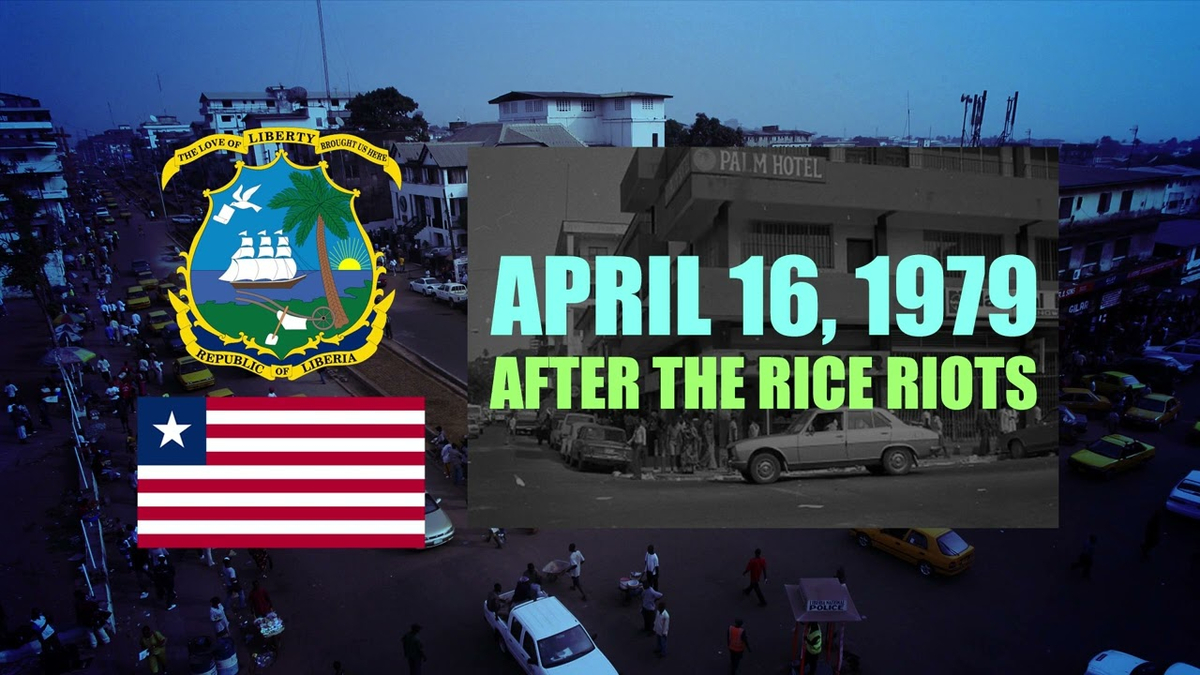
Protests Erupt in Monrovia Over Proposed Rice Price Increase by Tolbert Administration
Liberia
Politics
Economics
Social Movements
3 min read
Updated By: History Editorial Network (HEN)
Published:
Updated:
In 1979, the political landscape of Liberia underwent a significant transformation with the end of Americo-Liberian rule, which had dominated the country since its founding. President William Tolbert, who had been in power since 1971, adopted a repressive approach towards dissent, aiming to stifle opposition to his administration. The tipping point came when the government announced plans to raise the price of rice, a staple food for many Liberians. This decision sparked widespread dissatisfaction and led to massive protest demonstrations in the capital, Monrovia. In a tragic escalation of the situation, Tolbert ordered his troops to open fire on the demonstrators, resulting in the deaths of seventy individuals. The violent response incited further rioting across the city, culminating in a coup that ultimately led to Tolbert's downfall. Following the coup, several of his ministers were executed, marking a definitive end to the era of Americo-Liberian dominance in Liberia. This pivotal moment in the nation's history not only highlighted the deep-seated grievances among the populace but also set the stage for a new political order in Liberia, reshaping its future trajectory.
#mooflife
#MomentOfLife
#Liberia
#WilliamTolbert
#Americo-liberianRule
#1979Coup
#PoliticalHistory

Explore the Life Moments of
 AI Twin