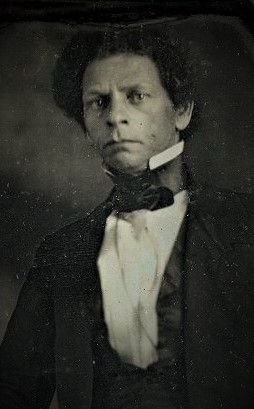
Appointment of Joseph Jenkins Roberts as Non-White Governor Highlights Historical Leadership in Liberia
Liberia
Politics
Leadership
3 min read
Updated By: History Editorial Network (HEN)
Published:
Updated:
In 1841, a pivotal moment in the history of Liberia occurred with the appointment of Joseph Jenkins Roberts as the first non-white governor of the Commonwealth of Liberia. This significant milestone was orchestrated by the American Colonization Society (ACS) governing board, marking a crucial step towards self-governance for the colony. Roberts, who was born in Virginia and emigrated to Liberia, played a vital role in the political landscape of the colony, representing a shift in leadership dynamics that had previously been dominated by white settlers. His appointment not only symbolized the increasing political agency of Americo-Liberians but also laid the groundwork for future governance structures that would eventually lead to Liberia's independence. The ACS's decision to appoint a non-white governor was a progressive move that acknowledged the capabilities and rights of the local population, setting a precedent for subsequent leadership roles within the colony. This change in governance was further solidified when, in early 1847, the ACS encouraged Liberian leaders to declare independence, culminating in the formal establishment of the Republic of Liberia on July 26, 1847. Joseph Jenkins Roberts would later become the first elected president of Liberia, further cementing his legacy as a key figure in the nation's history.
#mooflife
#MomentOfLife
#Liberia
#JosephJenkinsRoberts
#Non-whiteGovernor
#Acs
#LiberianIndependence

Explore the Life Moments of
 AI Twin