Louvre's Da Vinci Exhibition: A Milestone Celebration of Leonardo's Legacy
Italy
Entertainment
Art
4 min read
Updated By: History Editorial Network (HEN)
Published:
Updated:
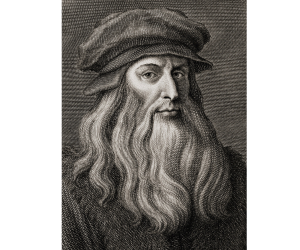
To commemorate the 500th anniversary of the death of Leonardo da Vinci, the Louvre in Paris organized and hosted the largest exhibition of the artist's works. The event included over 160 pieces – drawings, manuscripts, sculptures, and paintings – from across the world. This made it one of the most comprehensive collections of Leonardo's oeuvre ever assembled in a single venue.
This exceptional gathering of works was the outcome of a decade of meticulous planning and collaboration with various museums and private collectors. Notably, masterpieces like "Vitruvian Man" were selected from Italy, and "Saint Jerome" was loaned from the Vatican Museums. The exhibition emphasized Leonardo's diverse talents and in-depth studies in areas like human anatomy, engineering, and natural phenomena.
The impact of the exhibition was significant, drawing nearly 1.1 million visitors, highlighting the persistent relevance and popularity of Leonardo da Vinci in contemporary culture. It not only provided a comprehensive understanding of his techniques and creative process but also contextualized how his contributions continue to influence multiple disciplines like art, science, engineering, and anatomy even today. The tickets were sold out months in advance, and the show extended its viewing hours to accommodate the overwhelming response from the public.
Through this large-scale retrospective, attendees had the rare opportunity to experience the full spectrum of Leonardo's ingenuity. The event underlined the enduring legacy of one of history's most influential figures and offered an unparalleled insight into the breadth of his impact on numerous fields.
#LeonardoDaVinci #LouvreExhibit #RenaissanceArt #ArtHistory #MoofLife
Explore the Life Moments of
 AI Twin