Leonardo da Vinci's Dissections: Advancing Anatomy and Art in Renaissance Florence
Italy
Science
Art
4 min read
Updated By: History Editorial Network (HEN)
Published:
Updated:
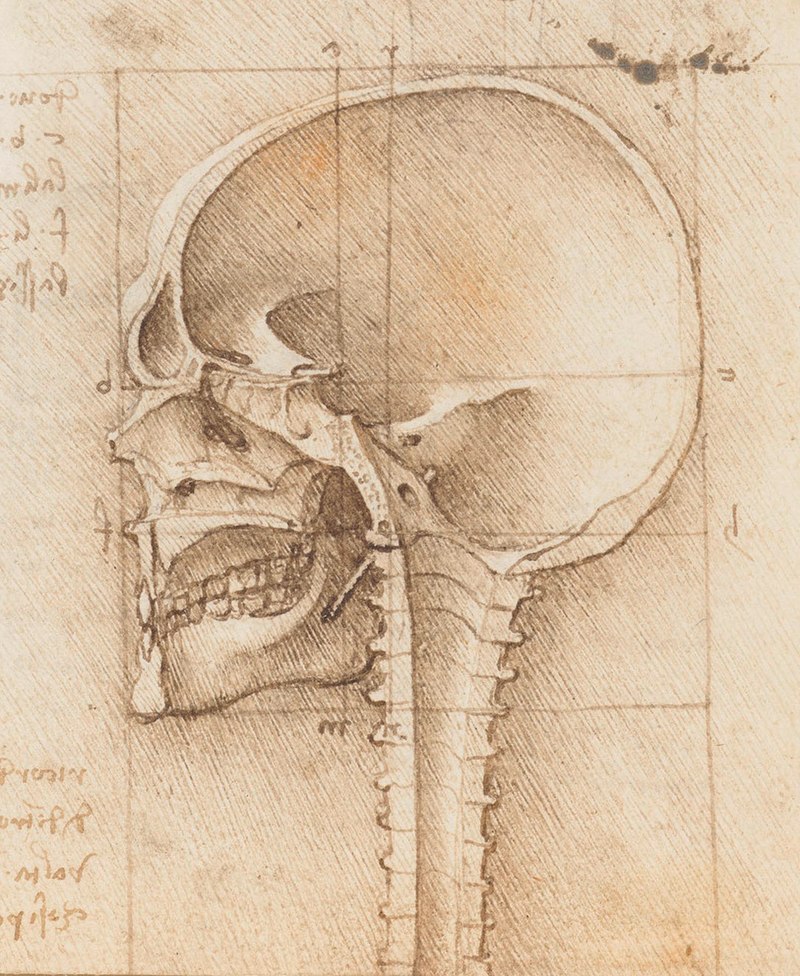
Leonardo da Vinci received authorization to dissect human bodies at the Hospital of Santa Maria Nuova in Florence. This permission marked a crucial development in his varied interests and pursuit of knowledge. Leonardo's access to human corpses allowed him to study human anatomy with unprecedented detail. This opportunity provided vital insights into the skeletal, muscular, and vascular systems, significantly advancing his understanding of the human body.
The hospital, a key medical institution in Florence, was known for its care of the sick and research into medical science. Leonardo's dissections contributed to more precise anatomical drawings, which displayed a high degree of accuracy and detail. These anatomical studies were incorporated into his notebooks, reflecting a blend of art and science.
Leonardo's work in human anatomy influenced both art and medical knowledge of the time. His detailed observations and illustrations in areas such as the human spine and the heart were ahead of their time, showing a remarkable leap in understanding human physiology. Researchers and artists later benefited from these contributions, highlighting the value of interdisciplinary studies.
This authorization can be viewed within the context of the Renaissance period, a time characterized by a resurgence of interest in science, art, and the empirical study of nature. It underscored the growing acceptance and institutional support for systematic scientific inquiry, laying foundations that would later influence modern anatomy and teaching methods.
#LeonardoDaVinci #HumanAnatomy #MedicalResearch #ArtAndScience #Renaissance #Florence #MoofLife
Explore the Life Moments of
 AI Twin