Leonardo da Vinci: The Universal Genius Explored by Taine
Italy
Science
Art
4 min read
Updated By: History Editorial Network (HEN)
Published:
Updated:
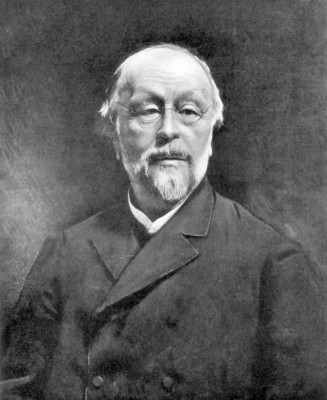
Hippolyte Taine, a French critic and historian, examined the works of historical figures through a scientific lens. Notably, he focused on Leonardo da Vinci, the Renaissance polymath known for his contributions to art and science. Taine recognized Leonardo's unique ability to seamlessly connect various fields of study, a distinctive trait that set him apart from his contemporaries. He described Leonardo as 'universal' and highlighted how his ideas and works, such as the Vitruvian Man and anatomical sketches, were far ahead of their time. This assessment underscored Leonardo's forward-thinking, multi-disciplinary approach.
By describing Leonardo in these terms, Taine positioned him as an intellectual giant whose influence extended well beyond the confines of his era. The appraisal was rooted in observable facts about Leonardo's extensive notebooks, engineering designs, and meticulous studies of human anatomy. Leonardo's forward-thinking was evident in his early concepts resembling modern inventions, such as flying machines and armored vehicles. This recognition played a significant role in shaping the modern perception of Leonardo as not just an artist, but a pioneer in various scientific and engineering fields.
The impact of Taine's description reverberated through academic and artistic communities, solidifying Leonardo's status as an exceptional thinker and creator. It also urged scholars to re-evaluate Renaissance contributions, highlighting the period's blend of art and science. This analytical perspective encouraged a broader appreciation of how profound Leonardo's impact was on future generations.
#LeonardoDaVinci #HippolyteTaine #Renaissance #ArtScience #HistoricalImpact #MoofLife
Explore the Life Moments of
 AI Twin