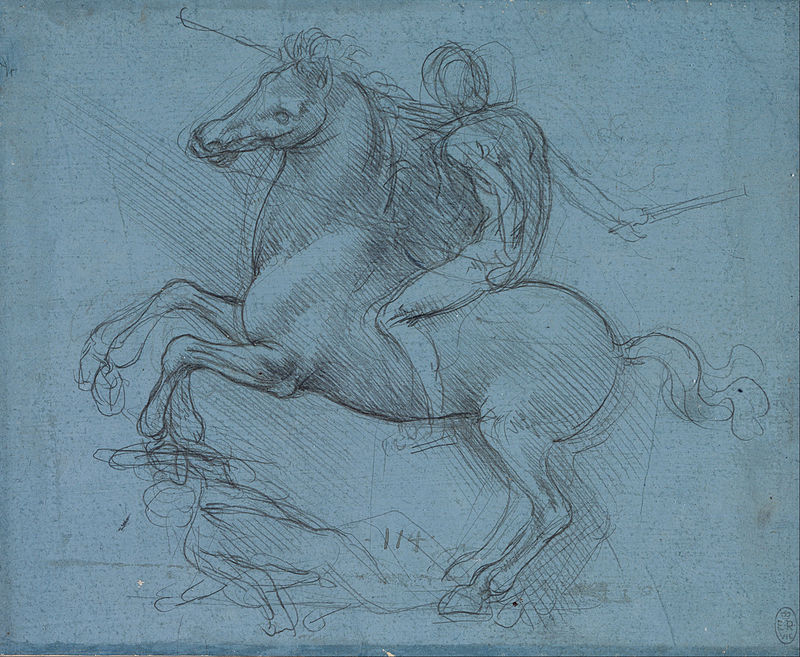
Ludovico Sforza's Bronze Statue: Artistic ambition compromised by military needs.
Italy
Artistic
Political
3 min read
Updated By: History Editorial Network (HEN)
Published:
Updated:
Ludovico Sforza, Duke of Milan, initially allocated a substantial amount of bronze for a monumental statue, known as Gran Cavallo, designed by Leonardo da Vinci. The colossal horse, intended to honor Ludovico's father, Francesco Sforza, represented an ambitious artistic endeavor and was anticipated to stand as one of the tallest equestrian statues of its time. The project, requiring about 75 tons of bronze, saw years of meticulous planning and preliminary work by Leonardo, who invested considerable effort into its design and prototypes.
However, political turmoil significantly altered the plan. With France threatening Milan, Ludovico found himself in urgent need to fortify the city’s defenses. Consequently, the bronze reserved for the statue was redirected to produce cannons and other artillery necessary for the military defense. This strategic decision underscored the pressing need for resources and reflected the shifting priorities from art to defense.
The reallocation of the metal profoundly impacted Leonardo's work and the course of art history. The Gran Cavallo project was abandoned, leading to a significant setback in Leonardo’s artistic career. This decision stalled what could have been a groundbreaking development in Renaissance sculpture. The unfinished project remained a symbol of unrealized potential and the tangible conflict between artistic aspiration and political necessity.
#MoofLife #LeonardoDaVinci #ArtVsWar #RenaissanceHistory #LudovicoSforza
Explore the Life Moments of
 AI Twin