Leonardo da Vinci: Legacy of Innovation and Genius
Italy
Art
Science
4 min read
Updated By: History Editorial Network (HEN)
Published:
Updated:
Leonardo da Vinci, renowned polymath of the Renaissance, spent his final years in France, at the residence of Clos Lucé, under the patronage of King Francis I. He had been invited to France by the king, who admired his extensive skills in various fields, including painting, anatomy, engineering, and natural sciences.
Near the end of his life, Leonardo continued to work on a variety of projects, including scientific studies and mechanical designs, although he had largely ceased his artistic endeavors due to a paralysis that affected his right hand. Despite his physical limitations, his intellectual curiosity remained undiminished. King's respect for Leonardo was evident, with the artist enjoying close proximity to the royal court and access to its resources.
Leonardo da Vinci's death is believed to have been caused by a stroke, which was a common ailment during that period. His passing marked the end of an era of unprecedented innovation and artistic achievement. His contributions have had a lasting influence on both the fields of art and science, leaving a rich legacy documented through his numerous notebooks and masterpieces. These include iconic works such as the "Mona Lisa" and "The Last Supper."
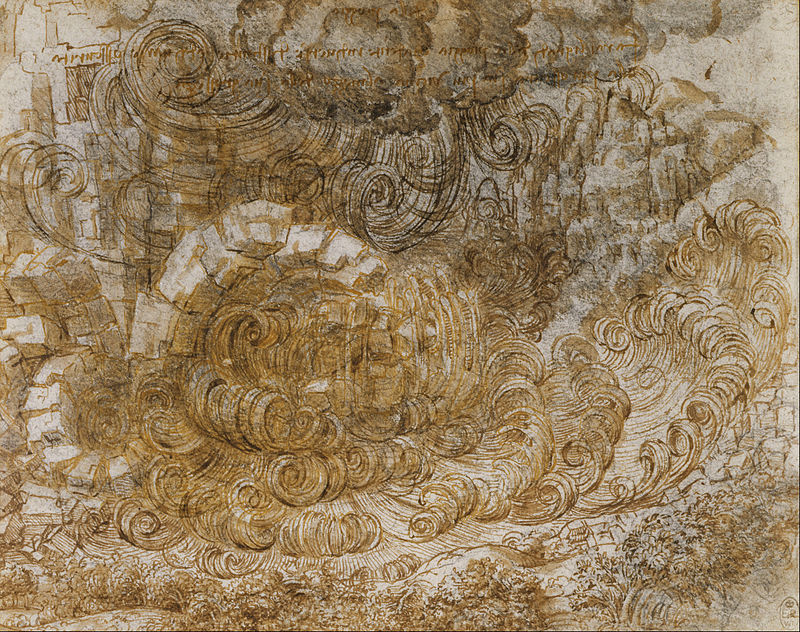
Today, scholars study his inventions, anatomical drawings, and artistic techniques to gain insight into his versatile genius. Leonardo’s integration of art and science paved the way for various interdisciplinary studies, underscoring the value of creative thinking in scientific inquiry.
His influence extends beyond his lifetime, as he is often celebrated as the quintessential "Renaissance man" whose innovative thinking and artistic mastery continue to resonate in contemporary culture.
#LeonardoDaVinci #EndOfAnEra #RenaissanceMan #LifeAndLegacy #Influence #MoofLife
Explore the Life Moments of
 AI Twin