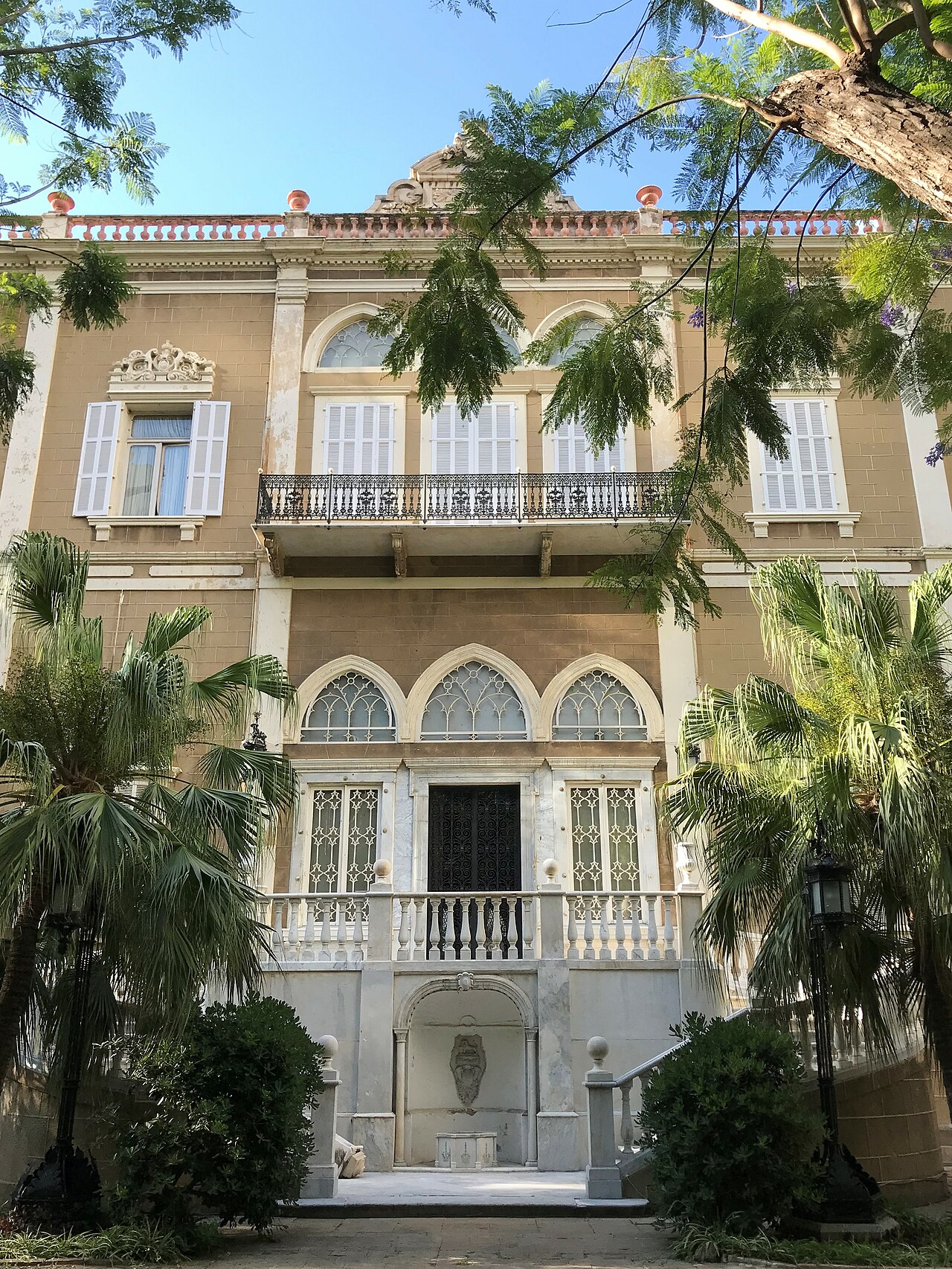
Luxurious palace built in Beirut for Sursock family stands as a symbol of wealth.
Lebanon
Cultural Heritage
6 min read
Updated By: History Editorial Network (HEN)
Published:
The construction of the Sursock Palace in Beirut represents an important event in Lebanese history. The Sursock family, a prominent and affluent Greek Orthodox family, commissioned the palace. They were key figures in Beirut’s social and economic landscape. During this period, Beirut was undergoing significant transformations, driven by increased trade and European influence. The Sursock Palace stood as a testament to the prosperity and modernity that parts of Beirut were experiencing.
The Sursock family owned extensive lands and played a vital role in the socio-economic development of Beirut. The construction of their palace was not merely a personal project but a symbol of their status and commitment to the city's future. The design of the palace incorporated both traditional Lebanese and European architectural styles, reflecting the cultural fusion that characterized Beirut at the time.
Giorgio Sursock, the patriarch, ensured that the palace embodied the family's wealth and social position. The palace included ornate features and expansive gardens, which became a landmark in the city. It also served as a hub for social gatherings, political discussions, and cultural activities. By facilitating these interactions, the Sursock Palace contributed to shaping the socio-political fabric of Beirut.
The choice of location was strategic, situated in the city's affluent neighborhood, which was beginning to develop into a residential and commercial hub. This location underscored the importance of the palace as a focal point for both the Sursock family and Beirut's elite.
The socio-economic impact of the palace’s construction was notable. It provided employment opportunities and stimulated local craftsmanship, as skilled artisans and laborers were hired for its construction. This, in turn, contributed to the local economy and showcased the high level of craftsmanship available in Beirut.
The Sursock Palace has since become an integral part of Beirut’s cultural heritage. It has survived numerous challenges, including wars and economic fluctuations. Today, it stands as a museum, preserving the rich history and artistry of the period. Its continued existence offers insights into the cultural and historical evolution of Beirut.
Historical records suggest that the palace covers approximately 30,000 square meters, with various facilities and structures within its premises. It remains a symbol of Beirut’s dynamic past and the Sursock family’s enduring legacy.
#BeirutHistory #CulturalHeritage #EconomicDevelopment #SursockPalace #MoofLife

Explore the Life Moments of
 AI Twin