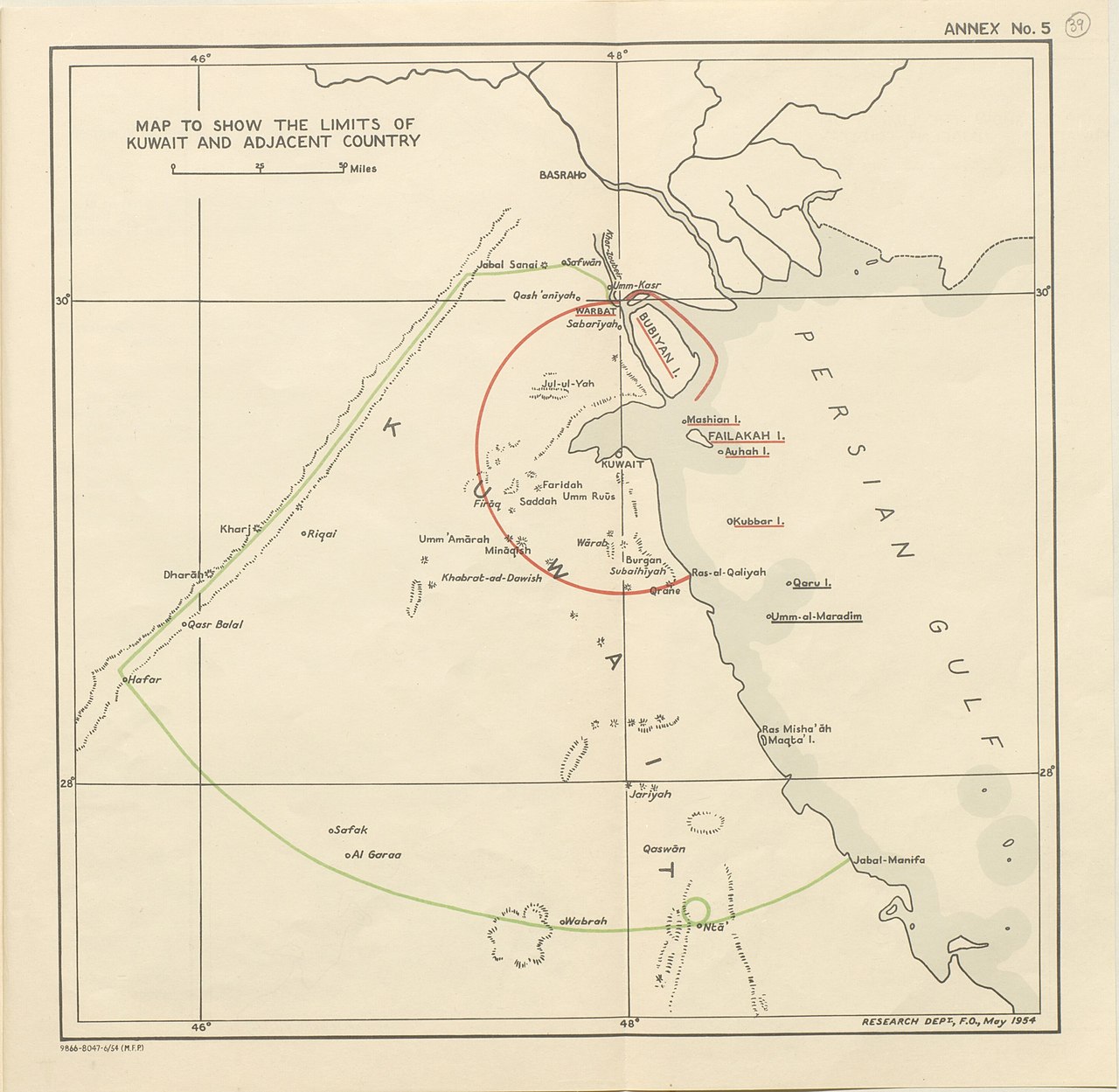
Recognition of Kuwait's autonomy within Ottoman Empire through Anglo-Ottoman Convention
Kuwait

Political
Global Trade
5 min read
Updated By: History Editorial Network (HEN)
Published:
Leading up to the signing of the Anglo-Ottoman Convention, Kuwait was a region under complex political influence. The Ottoman Empire, wanting to maintain its territorial integrity, had nominal control over Kuwait, while the British Empire sought to expand its influence in the Persian Gulf region, recognizing Kuwait's strategic importance for securing its economic and imperial interests.
The backdrop of the convention is rooted in growing tensions and negotiations. The British Empire had established agreements with Sheikh Mubarak Al-Sabah of Kuwait in prior treaties, with the aim to secure Kuwait from external threats, including Ottoman encroachment. Conversely, the Ottoman Empire aimed to reassert its sovereignty over its territories, Kuwait included, through both diplomatic and administrative measures.
The convention, therefore, represented a compromise that served both empires' ambitions while acknowledging the local governance under Sheikh Mubarak Al-Sabah. By recognizing Kuwait as an autonomous kaza, or district, within the Ottoman Empire, the agreement allowed Kuwait to retain a degree of self-governance under the nominal jurisdiction of the Ottomans. This arrangement also ensured that the British maintained influence in the region via agreements with the local leadership.
The immediate impact of the agreement was multifaceted. For Kuwait, it meant formal recognition of its autonomy, which codified its existing self-governance and safeguarded its status amid regional power struggles. For the Ottoman Empire, it helped maintain a facade of territorial integrity without direct administrative control, which was increasingly challenging. For the British Empire, it secured strategic interests in the Persian Gulf, ensuring maritime and economic benefits, particularly with the rise of oil exploration and maritime trade routes.
Years later, the geopolitical landscape shifted drastically, especially after the fall of the Ottoman Empire post World War I. The significance of Kuwait's recognized autonomy laid the groundwork for future independence movements and the eventual establishment of Kuwait as a sovereign state.
#MoofLife #Kuwait #OttomanEmpire #BritishEmpire #Autonomy #PersianGulf
Primary Reference
Anglo-Ottoman Convention of 1913 - Wikipedia

Explore the Life Moments of
 AI Twin