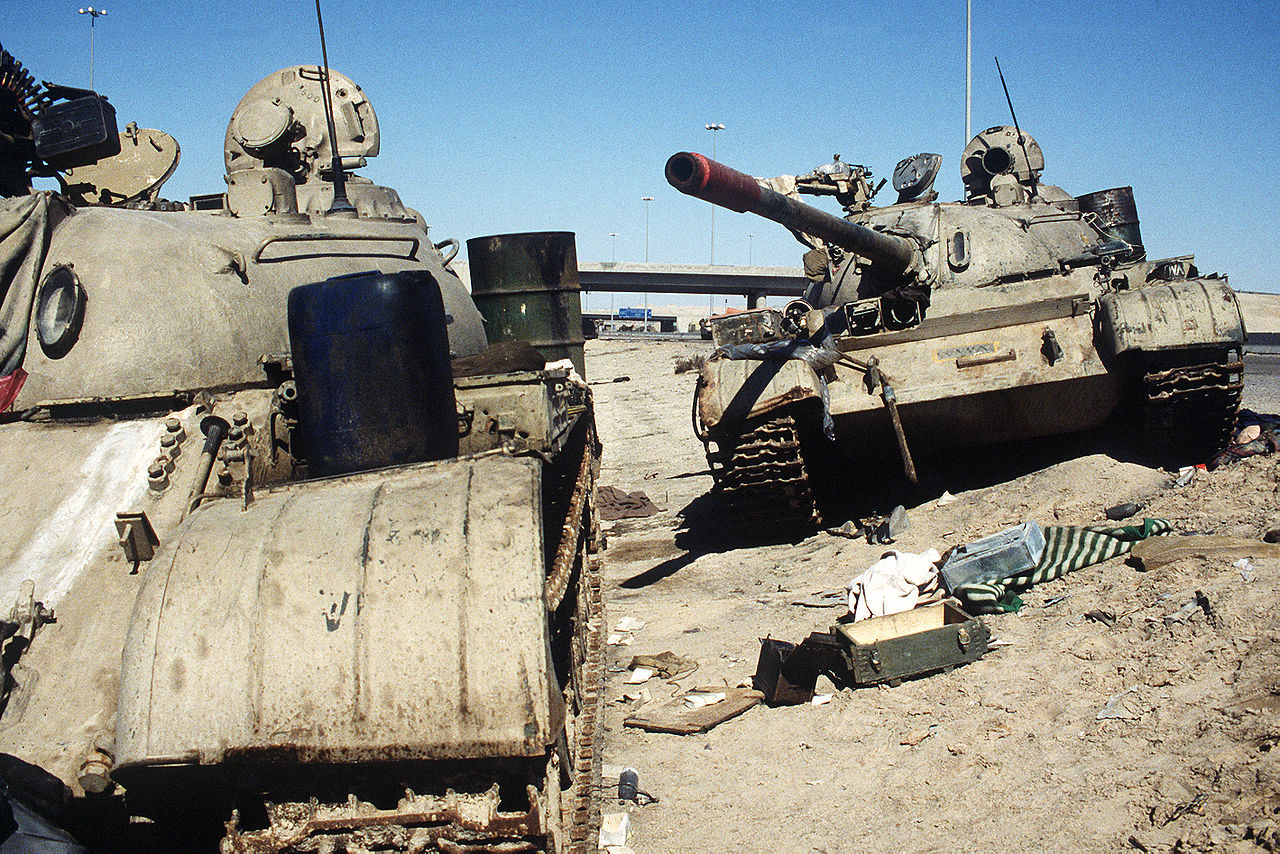
Liberating Kuwait from Iraqi Occupation
Kuwait

Global Security
International Coalition
6 min read
Updated By: History Editorial Network (HEN)
Published:
The Liberation of Kuwait from Iraqi occupation during the Gulf War marked a turning point in Middle Eastern geopolitics and international conflict resolution. Following Iraq’s invasion and annexation of Kuwait, a coalition of 35 nations led by the United States organized under UN resolutions to restore Kuwait's sovereignty. The conflict began with Operation Desert Shield, which entailed the buildup of coalition forces in Saudi Arabia to deter further Iraqi aggression.
Subsequently, Operation Desert Storm was launched, initiating a massive aerial and missile campaign targeting Iraqi military and infrastructure. Over 100,000 sorties were flown, and crucial targets were systematically neutralized. The ground assault commenced thereafter, advancing rapidly against Iraqi forces. The coalition, utilizing superior technology and strategy, achieved swift advancement, culminating in the liberation of Kuwait City.
The impact of this event extended beyond immediate military outcomes. It reinforced the efficacy of international coalitions in addressing violations of sovereignty and shaped military doctrines emphasizing speed, technology, and precision. The coalition forces numbered approximately 700,000, including 540,000 American troops, supported by significant contributions from the United Kingdom, France, and Arab nations. Iraqi forces, initially estimated at 545,000 within Kuwait, experienced severe casualties and equipment losses, including the destruction of thousands of tanks and vehicles.
On the Kuwaiti side, the re-establishment of governance was a priority, with efforts focusing on extensive rebuilding and humanitarian aid, given the widespread damage and looting during the occupation. The conflict inflicted substantial economic costs, estimated in billions of dollars, necessitating international support for recovery.
The global geopolitical landscape was significantly influenced, redirecting focus towards Middle Eastern security and political stability issues. The conflict also underscored the strategic importance of oil, as Kuwait holds significant petroleum reserves, critical to global energy supply chains.
This liberation was also a test of UN’s resolve in enforcing international law, setting a precedent for subsequent interventions. The Gulf War’s conclusion saw the implementation of no-fly zones and stricter sanctions aimed at curbing further aggression by Iraq.
#MoofLife #KuwaitLiberation #GulfWar #InternationalCoalition #MiddleEastConflict #OperationDesertStorm #GlobalSecurity #UNIntervention
Primary Reference
Liberation of Kuwait campaign - Wikipedia

Explore the Life Moments of
 AI Twin