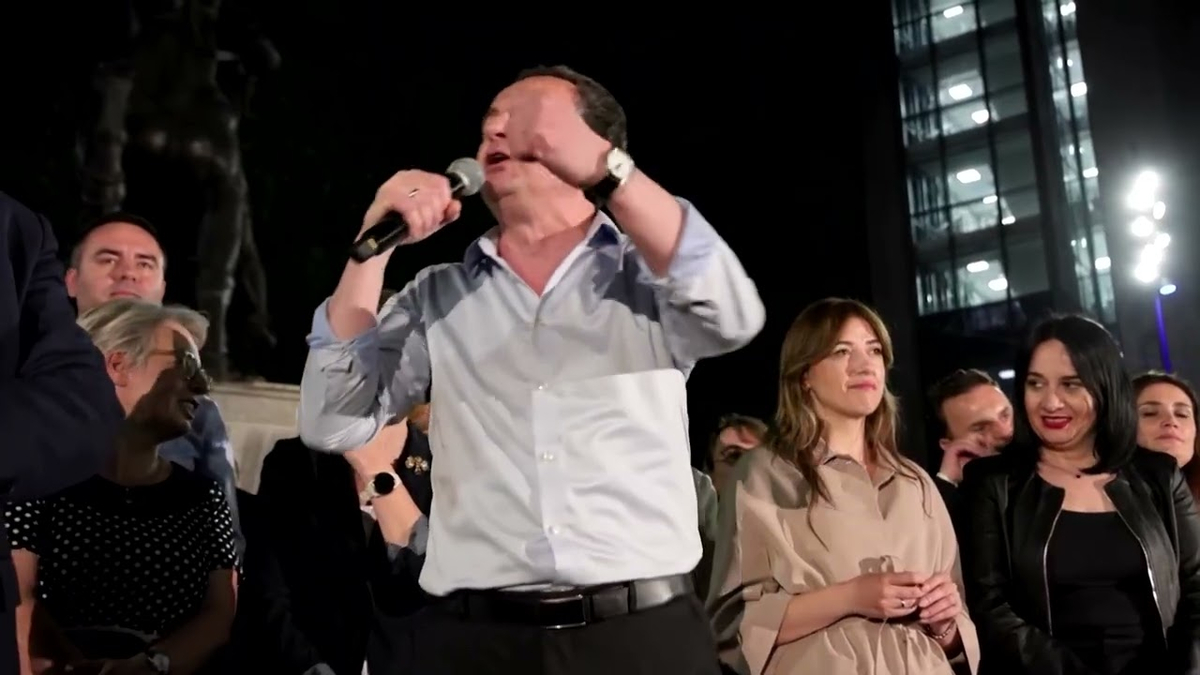
Vetëvendosje Wins Kosovo’s 2026 Snap Election Amid Continuing Political Deadlock
Kosovo
Political
7 min read
Updated By: History Editorial Network (HEN)
Published:
On 07/06/2026, Kosovo held its third parliamentary election in just 18 months as the country sought to break a prolonged institutional crisis that had left key state positions unfilled and delayed major reforms. Prime Minister Albin Kurti’s ruling Vetëvendosje (Self-Determination Movement) once again emerged as the largest political force, winning approximately 43% to 43.7% of the vote. While the result confirmed the party’s position as Kosovo’s dominant political movement, it fell short of an outright parliamentary majority, meaning coalition negotiations would be required to form a government and address the ongoing constitutional impasse.
The election was called after parliament was dissolved in April 2026 following repeated failures to elect a new president. Vetëvendosje had won a commanding 51.1% majority in the December 2025 election, but Prime Minister Kurti was unable to secure the two-thirds parliamentary support required to appoint a successor to President Vjosa Osmani. Opposition parties repeatedly withheld support for the governing party’s preferred candidate, resulting in months of political paralysis and ultimately triggering another snap election.
Preliminary and near-final results showed Vetëvendosje receiving between 43% and 43.72% of the vote. The Democratic Party of Kosovo (PDK) finished second with approximately 21% to 21.7%, while the Democratic League of Kosovo (LDK) secured roughly 18%. The Alliance for the Future of Kosovo (AAK) received around 7%, while the Serb List retained dominance in Serb-majority municipalities and secured the seats reserved for Kosovo’s Serb minority. The results represented a decline for Vetëvendosje compared with its December 2025 performance, though the party remained significantly ahead of all rivals.
Voter participation fell sharply compared with previous elections. Turnout dropped to below 37%, with many observers attributing the decline to voter fatigue after repeated election cycles and the lack of progress in resolving the political crisis. Citizens interviewed during the campaign frequently cited frustration over continued institutional instability, economic concerns, and the inability of political leaders to reach compromises on key state appointments.
The election carried significant implications for Kosovo’s relationship with the European Union. Brussels had repeatedly urged Kosovo’s political parties to establish stable institutions and resume reforms needed for closer European integration. Analysts noted that despite Vetëvendosje’s victory, the fundamental challenge remained unchanged: securing sufficient parliamentary support to elect a president and create a durable governing coalition. Without compromise among rival parties, Kosovo risked further institutional deadlock and the possibility of additional elections.
Why This Moment Matters
The June 2026 election demonstrated both the continued popularity of Albin Kurti and the limits of electoral victories in resolving Kosovo’s constitutional challenges. Although Vetëvendosje remained the country’s largest party, the inability of any single force to secure the supermajorities required for key state decisions underscored the importance of coalition-building and political compromise for Kosovo’s future governance and European ambitions.
#Kosovo #Vetevendosje #KosovoElection2026 #Balkans #EuropeanUnion #Politics
Moment End Date: Government formation and presidential negotiations ongoing as of 14-June-2026.
#AlbinKurti

Explore the Life Moments of
 AI Twin