The Kosovo War: Ethnic conflict, international intervention, and the road to peace.

Political
Global Trade
4 min read
Updated By: History Editorial Network (HEN)
Published:
Updated:
The Kosovo War was a conflict between Yugoslav forces and ethnic Albanian insurgents, primarily the Kosovo Liberation Army (KLA). The KLA sought independence for Kosovo, an autonomous province within Serbia, which was part of the Federal Republic of Yugoslavia at the time. Tensions had been mounting due to the Albanian majority in Kosovo seeking greater autonomy and equal rights, which were opposed by the Serbian government. The Serbian President Slobodan Milosevic's regime was accused of implementing repressive measures and ethnic cleansing against ethnic Albanians.
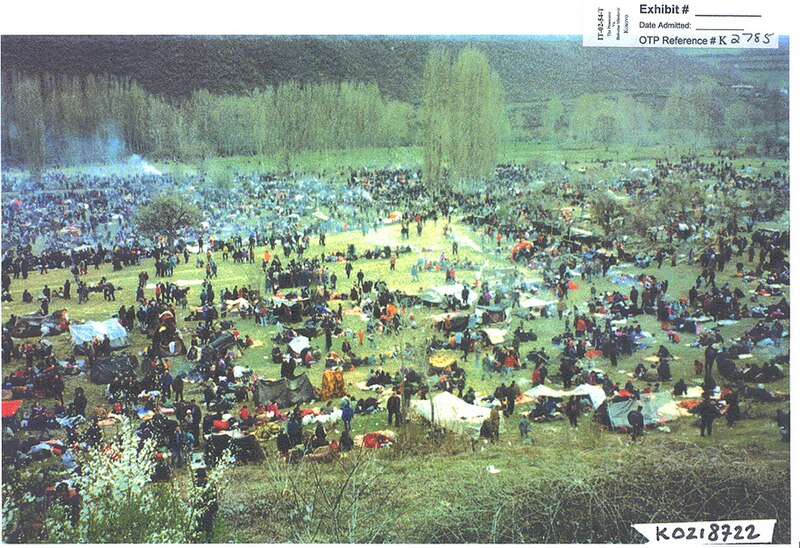
Human rights violations and violence escalated, prompting international concern. Reports indicated that more than 1.5 million ethnic Albanians were displaced and thousands were killed in the hostilities. The brutality of the conflict drew significant international attention, leading to NATO's involvement. NATO launched an air campaign aimed at halting the violence and compelling Yugoslav forces to withdraw from Kosovo, citing humanitarian intervention as the primary motive.
The conflict highlighted the severity of ethnic conflicts and the role of international organizations in addressing human rights issues. It also underscored the contentious and complex nature of sovereignty and intervention. Following NATO's intervention, a UN administration was established to oversee the region, leading to a reduction in hostilities and the eventual establishment of a framework for Kosovo's future governance.
The Kosovo War left a lasting impact on international law regarding humanitarian intervention and set a precedent for how the international community addresses ethnic conflicts.
#KosovoWar #HumanitarianCrisis #NATOIntervention #EthnicConflict #HumanRights #InternationalLaw #DisplacementCrisis #ConflictResolution #MoofLife

Explore the Life Moments of
 AI Twin