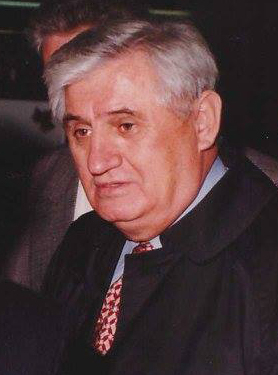
ICTY prosecuted Yugoslav and KLA officials for war crimes; six Yugoslav officials and one KLA member were convicted.

War
6 min read
Updated By: History Editorial Network (HEN)
Published:
Updated:
Amidst the aftermath of the Kosovo War, the International Criminal Tribunal for the former Yugoslavia (ICTY) initiated prosecutions against both Yugoslav officials and members of the Kosovo Liberation Army (KLA) for war crimes committed during the conflict. This marked an important phase in the pursuit of justice for atrocities perpetrated by all sides in the brutal war that devastated Kosovo and its people.
The ICTY was established in 1993 to prosecute serious crimes committed during the Yugoslav Wars, including genocide, crimes against humanity, and war crimes. The tribunal sought to ensure accountability for leaders and individuals responsible for widespread violence and to set a precedent for international justice.
In 1999, the ICTY indicted several high-ranking Yugoslav officials, including Slobodan Milošević, the president of the Federal Republic of Yugoslavia. Milošević was charged with crimes against humanity for orchestrating ethnic cleansing campaigns and other atrocities during the Kosovo conflict. He was accused of targeting Kosovo Albanians through murder, deportation, and persecution.
Other officials prosecuted included generals and political figures who played central roles in the conflict. Six Yugoslav officials were ultimately convicted by the ICTY for their involvement in war crimes. These convictions underscored the systemic nature of the violence perpetrated by Serbian forces under Yugoslav leadership.
The ICTY also investigated and prosecuted members of the KLA, a guerrilla group that fought for Kosovo's independence from Serbian rule. The KLA was accused of committing atrocities against ethnic Serbs, Roma, and Albanians suspected of collaborating with Serbian authorities. One KLA member was convicted during this period for war crimes, highlighting the tribunal's commitment to impartiality in addressing crimes committed by all parties.
The tribunal demonstrated that even high-ranking officials, including heads of state, could be held accountable for war crimes and crimes against humanity. By addressing crimes committed by both Yugoslav forces and the KLA, the ICTY acknowledged the suffering of victims from all ethnic groups, reinforcing the principle of impartial justice. The ICTY's work contributed to the development of international criminal law and served as a model for subsequent tribunals and courts, such as the International Criminal Court (ICC).
The ICTY's prosecutions were not without controversy. Some accused the tribunal of bias, while others felt that justice was incomplete due to the limited number of convictions. Additionally, Slobodan Milošević died in 2006 before his trial could be concluded, leaving many of his crimes unadjudicated.
#ICTY #WarCrimes #KosovoConflict #InternationalJustice #Accountability #MomentsOfLife #MoofLife_Moment #MoofLife

Explore the Life Moments of
 AI Twin