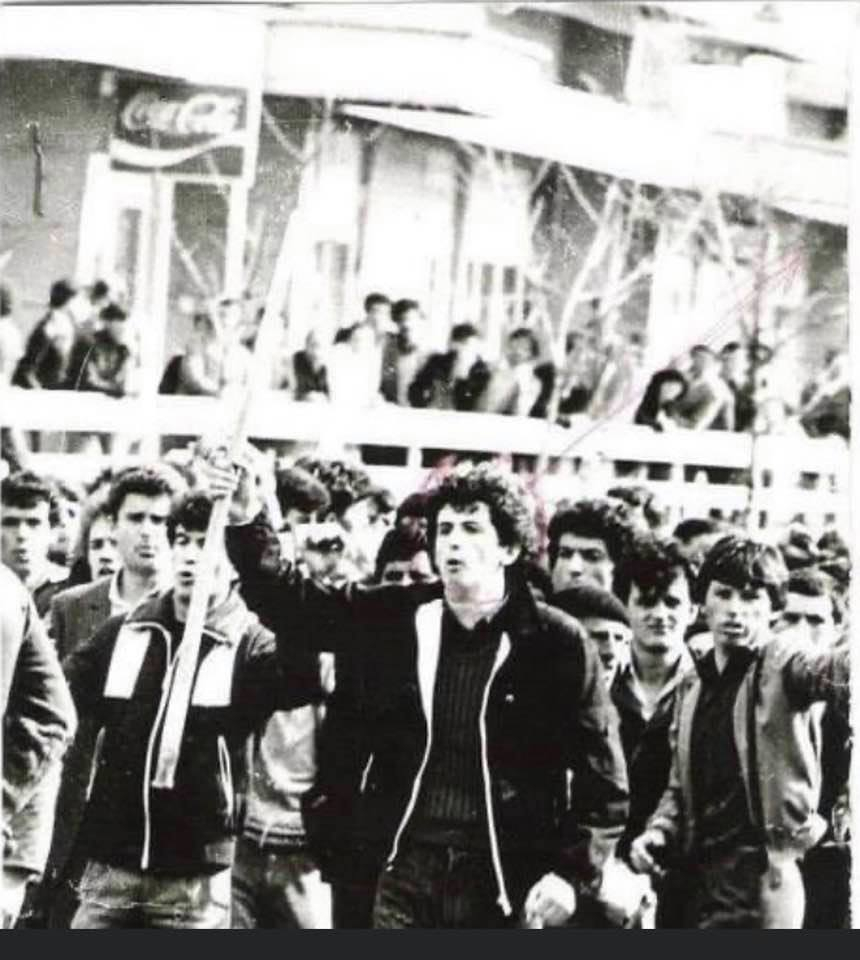
Kosovar Albanian students demand republic status; protests violently suppressed by Yugoslav authorities.

Political
Global Trade
5 min read
Updated By: History Editorial Network (HEN)
Published:
Updated:
Following the political landscape and tensions within Yugoslavia, Kosovar Albanian students took to the streets to demand republic status for their region. These demands stemmed from longstanding grievances related to ethnic solidarity, political representation, and economic disparity within the federation. Kosovo, predominantly inhabited by ethnic Albanians, sought greater autonomy within the federal structure of Yugoslavia, which was composed of six republics and two autonomous provinces, including Kosovo itself.
The protests began on university campuses, where students organized rallies and demonstrations to voice their demands. The movement quickly gained momentum, drawing broader support from the local Albanian population. However, the Yugoslav authorities perceived the demands for republican status as a threat to the integrity and unity of the country. The state response was swift and severe, with a combination of police and military forces deployed to quash the unrest.
The protests were violently suppressed, resulting in numerous casualties and arrests. Official reports and independent sources indicated that the state's use of force led to dozens of deaths and injuries among the protesters. The confrontations not only intensified the already volatile ethnic tensions but also attracted international attention to the situation in Kosovo.
In response to the escalating crisis, the Yugoslav government declared a state of emergency in Kosovo, imposing strict measures to restore order. The region was placed under heavy surveillance, and military presence was significantly increased to prevent further uprisings. Civil liberties were curtailed, and a crackdown on dissent followed. Many activists and intellectuals who supported the movement faced persecution, imprisonment, or exile.
Economically and politically, the suppression of the protests and the declaration of a state of emergency further deepened the sense of disenfranchisement among Kosovar Albanians. The extensive control measures and the violent response fueled a sense of injustice and strengthened the resolve for greater autonomy and recognition. The events left a lasting impact on the region’s socio-political landscape, contributing to the historical narrative of Kosovo's struggle for status and rights within the broader context of Yugoslav dissolution.
#KosovoProtests #AlbanianRights #YugoslaviaCrisis #PoliticalUnrest #MoofLife

Explore the Life Moments of
 AI Twin