Tri-X Film Is Introduced
United States
5 min read
Updated By: History Editorial Network (HEN)
Published:
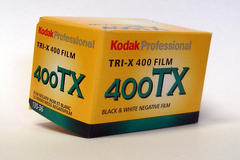
In 1954, Eastman Kodak introduced KODAK TRI-X Film in 35 mm and 120 roll-film formats, bringing one of its best-known high-speed black-and-white film stocks to a wider range of photographers. Tri-X had originally appeared as a sheet film around 1940, but the 1954 release in smaller camera formats helped establish it as a widely used film for photojournalism, documentary work, street photography, and general professional photography. (kodak.com)
Tri-X was notable for its relatively high film speed at a time when many black-and-white films were considerably slower. The film was initially rated around ASA 200 and later standardized at higher speed ratings as industry measurement systems evolved. Its sensitivity allowed photographers to work in lower-light environments and use faster shutter speeds without requiring large amounts of artificial lighting. This made it especially useful for handheld photography and for capturing fast-moving events.
The film became closely associated with generations of photojournalists and documentary photographers. Its wide exposure latitude and ability to be push-processed made it suitable for difficult shooting conditions, including news coverage, conflict zones, concerts, and urban street scenes. Many influential photographs of the second half of the 20th century were created using Tri-X, and the film became known for its distinctive grain structure and strong tonal contrast.
Kodak continued refining Tri-X over the decades while maintaining its characteristic visual style. The film remained available in multiple formats, including 35 mm, medium format, and large-format sheet film. Despite the transition to digital photography in the late 20th and early 21st centuries, Tri-X retained a dedicated user base among professional and amateur photographers who valued its black-and-white rendering and darkroom flexibility.
Why This Moment Matters
The 1954 introduction of Tri-X in 35 mm and roll-film formats coincided with the growing popularity of portable cameras and modern photojournalism. Its speed and flexibility enabled photographers to work in situations that had previously been difficult to capture, helping shape the visual style of documentary and news photography for decades.
#Kodak #TriX #FilmPhotography #PhotographyHistory #BlackAndWhitePhotography #Photojournalism #KodakFilm #DocumentaryPhotography
Primary Reference
Kodak

Explore the Life Moments of
 AI Twin