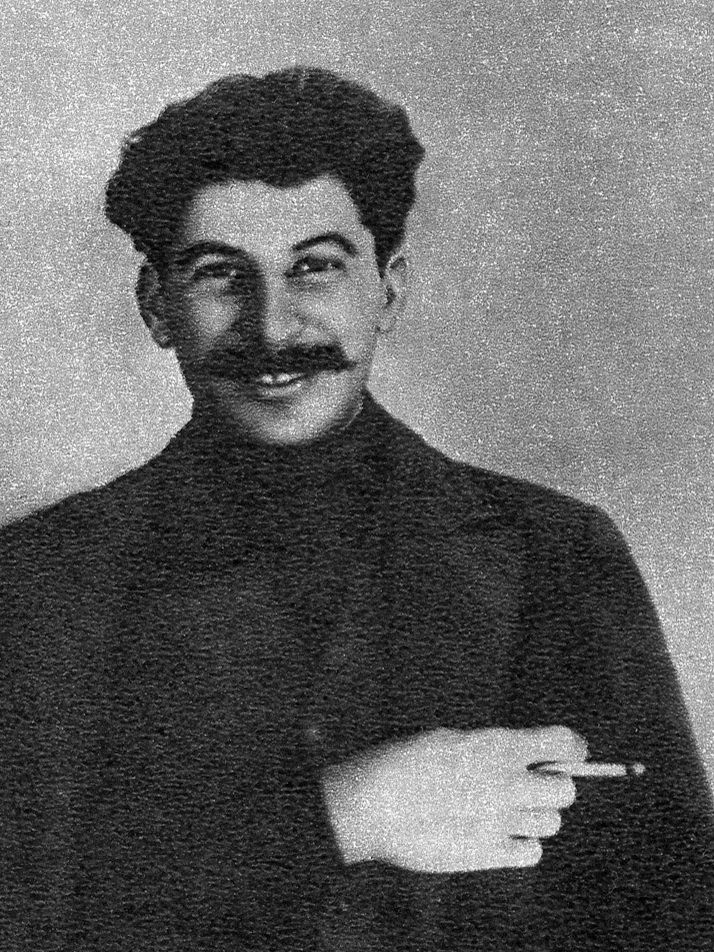
Final exile of Joseph Stalin 1913
Russia
3 min read
Updated By: History Editorial Network (HEN)
Published:
In 1913, Joseph Stalin faced his final and longest exile before rising to power in Soviet Russia. Arrested by the Tsarist secret police for revolutionary activities, he was sent to the remote Siberian village of Kureika, near the Arctic Circle. This desolate outpost marked his seventh arrest and his harshest punishment, intended to permanently isolate him from the political movement brewing in the cities. Cut off from fellow revolutionaries and enduring brutal conditions, Stalin spent nearly four years in exile. It was here that he lived among the indigenous people, hunted, fished, and even fathered two children with a local woman.
Despite the isolation, this period did not dull Stalin’s political ambitions. Instead, it hardened his resolve and taught him the value of endurance and secrecy—traits that would define his future rule. His ability to adapt and survive in extreme hardship would later feed into his image as a ruthless and cunning leader of the Soviet Union. When the Russian Revolution broke out in 1917, Stalin was released, returning to the political scene with more determination than ever. His time in Kureika was not just an exile—it was the final crucible that helped forge the dictator he would become.
#MomentsOfLife #MoofLife_Moment #MoofLife #HistoryUnfolded #StalinExile #RevolutionaryPath #SiberianChronicles #1913History

Explore the Life Moments of
 AI Twin