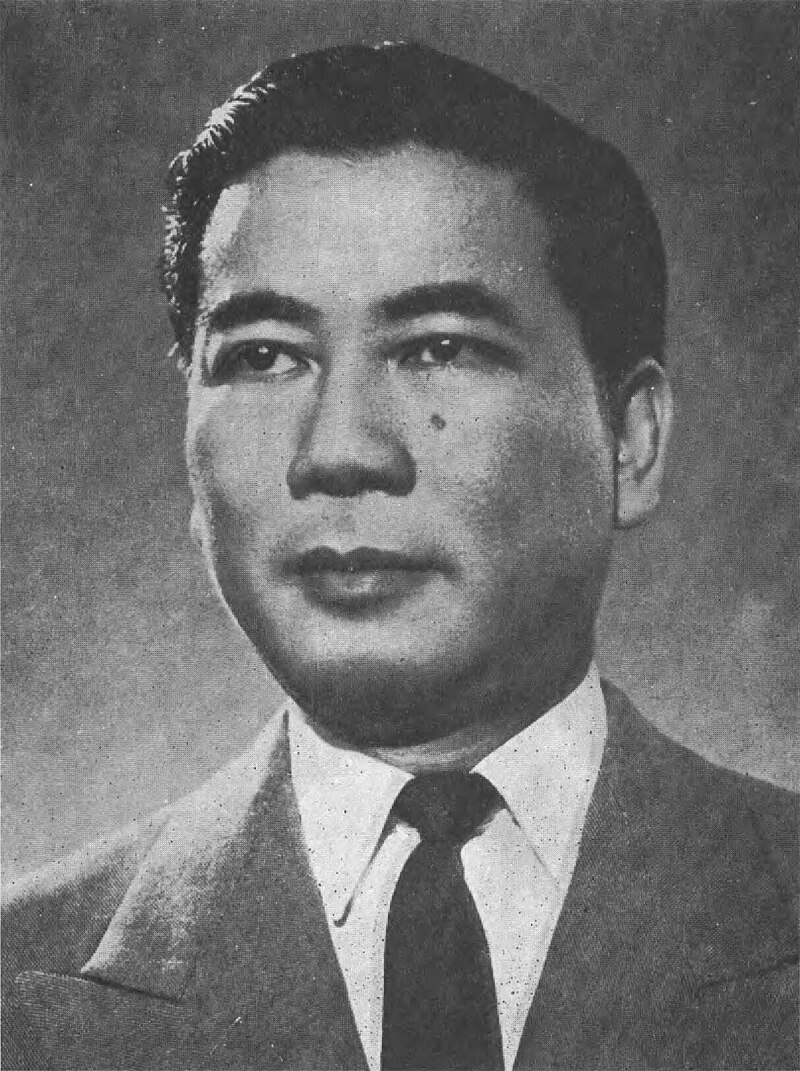
Assassination of Ngô Đình Diệm: U.S.-backed leader ousted in South Vietnam coup.
United States of America
Political
Global Trade
5 min read
Updated By: History Editorial Network (HEN)
Published:
Ngô Đình Diệm and his brother, Ngô Đình Nhu, were assassinated following a military coup in South Vietnam. Diem had ruled South Vietnam since the state was established and was initially supported by the United States due to his strong anti-communist stance. However, his administration soon became notorious for its oppressive policies, corruption, and inability to garner popular support, leading to widespread public discontent.
The political atmosphere in South Vietnam became increasingly unstable as Diem's regime continued to alienate various societal groups, including Buddhists, who faced severe persecution. This religious discrimination, coupled with Diem’s autocratic governance style, further exacerbated the tensions within the country.
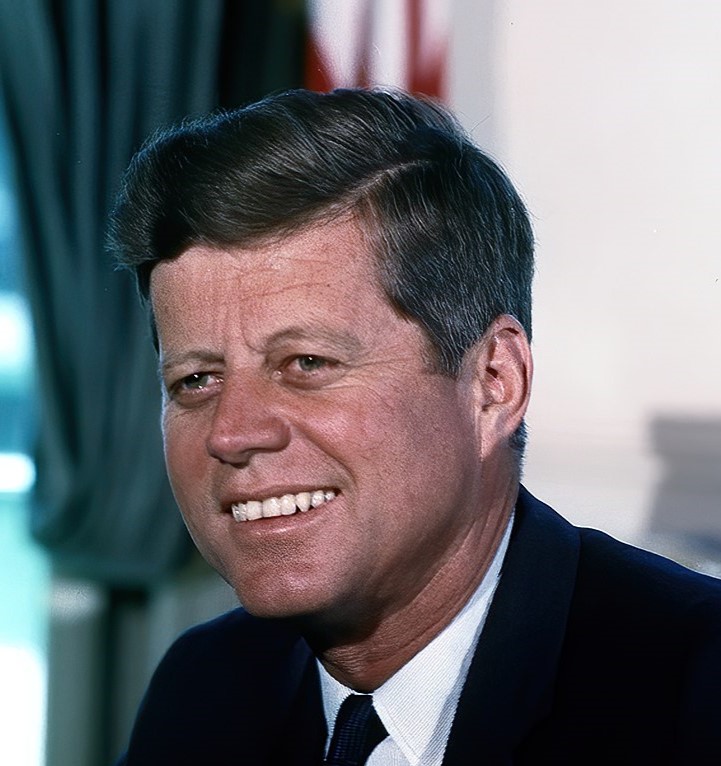
The United States, under President John F. Kennedy, began to reconsider its support for Diem. Reports from American officials in Vietnam highlighted the regime’s inefficacy and growing unpopularity, which were becoming liabilities in the broader context of the Cold War. Secret communications and assurances from the U.S. embassy indicated a shift in American policy, signaling a growing tacit approval for a regime change if it served to stabilize South Vietnam and present a stronger front against North Vietnamese communist forces.
The actual coup was executed by South Vietnamese military officers who had grown disillusioned with Diem’s leadership. Diem and Nhu were captured after unsuccessful attempts to negotiate their safe exit. They were subsequently killed, an act that the coup leaders justified as necessary to ensure the stability and unity of South Vietnam during a time of significant internal and external threats.
The assassinations marked a pivotal shift in South Vietnam’s political landscape, leading to a series of unstable governments and continued conflict. It highlighted the complexities of foreign intervention and the consequences of aligning with authoritarian regimes. It also set the stage for increased U.S. military involvement as the struggle to stem the spread of communism intensified.
#PoliticalHistory #VietnamWar #USForeignPolicy #ColdWarRealities #MoofLife
Primary Reference
Vietnam, Diem, the Buddhist Crisis | JFK Library
Explore the Life Moments of
 AI Twin