John Adams' Mission for French Alliance: Crucial Diplomacy in American Revolutionary War.
United States of America
PoliticalEvents
6 min read
Updated By: History Editorial Network (HEN)
Published:
Updated:
John Adams' diplomatic mission to France in 1778 was a critical moment in the American Revolution, though often overshadowed by the efforts of Benjamin Franklin. On February 17, 1778, Adams was appointed by Congress to replace Silas Deane as a commissioner in Paris. His primary role was to support ongoing diplomatic efforts and ensure the success of the recently signed Treaty of Amity and Commerce and the Treaty of Alliance between France and the newly declared United States. These agreements, signed on February 6, 1778, solidified French military and economic support, a turning point in the war against Britain.
John Adams' Journey to France
Adams embarked on his voyage aboard the frigate Boston, enduring a dangerous Atlantic crossing filled with storms and British threats. He arrived in France in April 1778, only to find that Franklin, who was immensely popular with the French court, already held significant influence. The American diplomatic mission, based in Passy, a suburb of Paris, was marked by tensions among its members. Adams, a pragmatic and principled New Englander, found himself frustrated by what he saw as Franklin’s overly diplomatic, sometimes leisurely, approach.
Challenges in Paris
Although Adams did not negotiate the original treaties, he quickly realized that the Franco-American alliance needed careful management. France had committed to supporting the American cause with financial aid, troops, and naval assistance, but Adams was concerned about American dependence on France. He feared that if the U.S. relied too much on French aid, it could compromise American sovereignty in the post-war period.
Unlike Franklin, who cultivated goodwill with French elites through charm and diplomacy, Adams was more direct and businesslike, a trait that made him less effective in French high society. By 1779, realizing that his presence was not advancing diplomatic efforts, Adams requested to return to America, and Congress allowed it.
Impact of the French Alliance
Despite Adams’ limited role in France at this stage, the alliance he helped maintain proved crucial. French military and naval support, culminating in the Battle of Yorktown (1781), helped secure American victory. French General Rochambeau and Admiral de Grasse played key roles in trapping British General Cornwallis, forcing his surrender.
Adams’ Later Diplomatic Success
Though his 1778 mission was not a personal triumph, Adams would later prove his diplomatic prowess. In 1779, he returned to Europe, where he played a vital role in securing the 1783 Treaty of Paris, which officially ended the war and recognized American independence.
#JohnAdams #AmericanRevolution #FranceAlliance #BattleofYorktown #FoundingFathers #Diplomacy #MomentsOfLife #MoofLife_Moment #MoofLife
Primary Reference
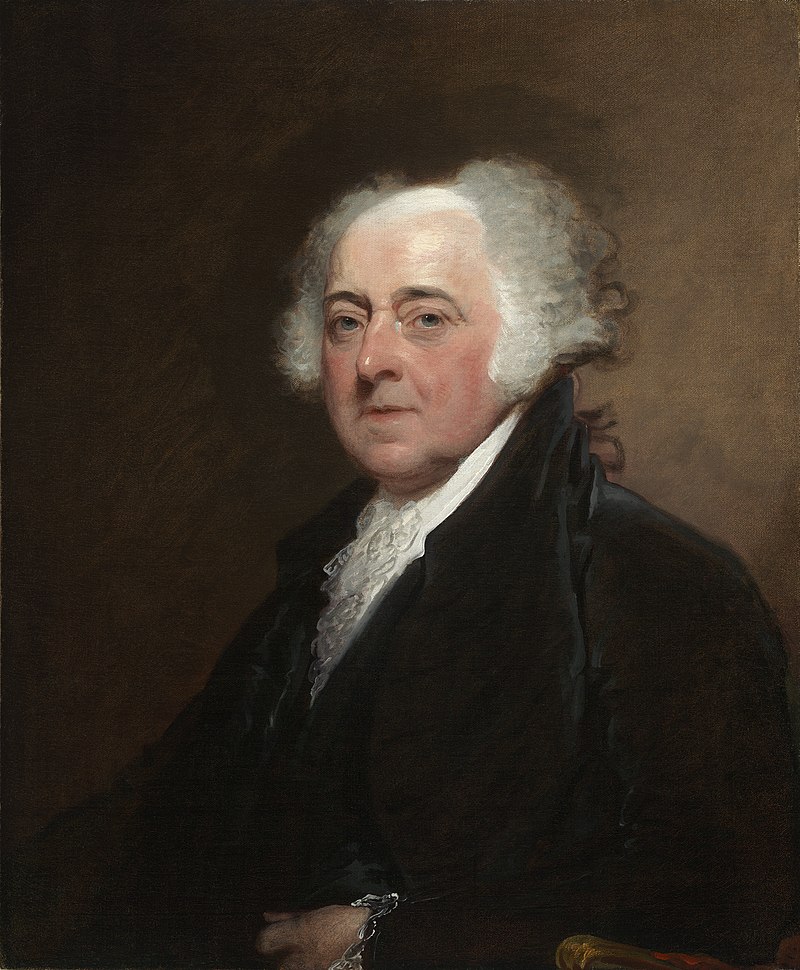
John Adams
Explore the Life Moments of
 AI Twin