Signing of Superfund Act for environmental response and liability compensation emphasized in remarks.
Political
Environmental Policy
5 min read
Updated By: History Editorial Network (HEN)
Published:
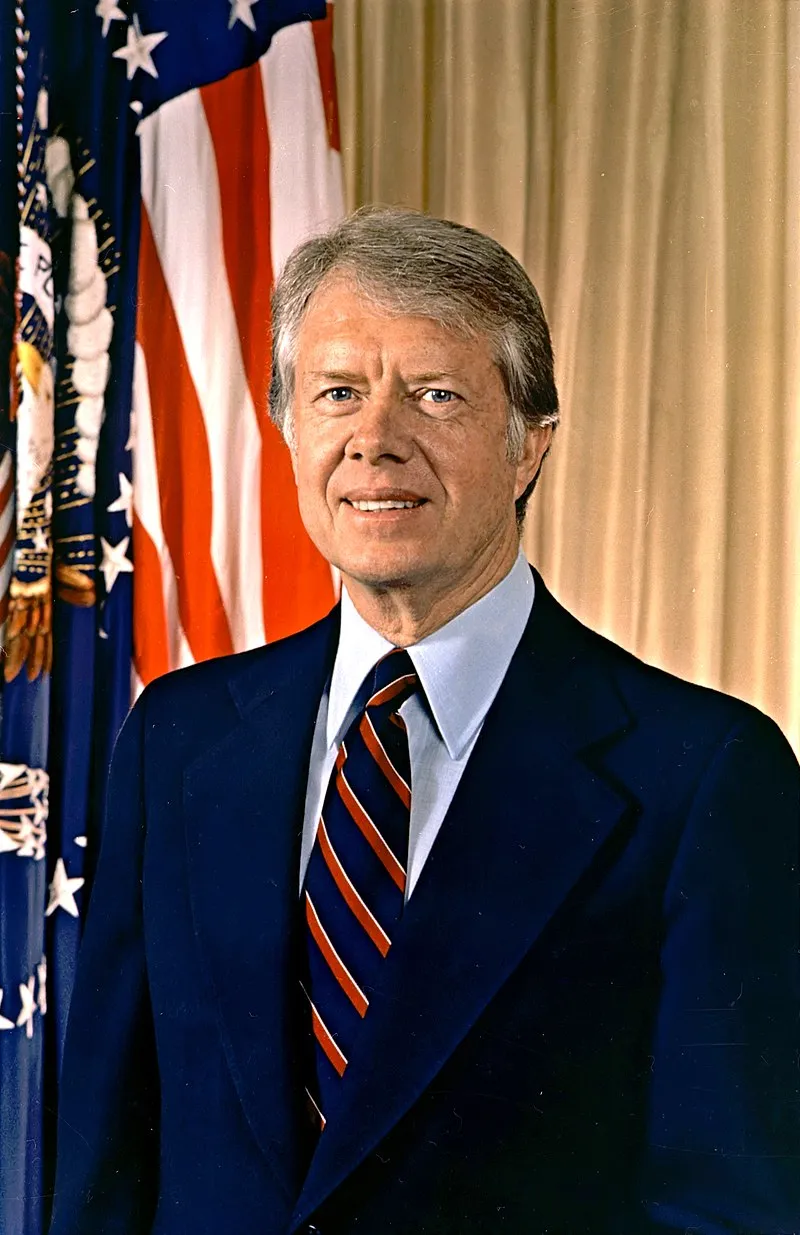
In a pivotal moment in environmental policy history, President Jimmy Carter addressed the nation to mark the signing of the Comprehensive Environmental Response, Compensation, and Liability Act, commonly known as Superfund. The legislation aimed to address the growing concern over hazardous waste sites across the United States, which posed significant health risks and environmental damage.
The backdrop of this legislation included several alarming incidents of toxic waste contamination. Most notably, the Love Canal disaster in New York brought national attention to the dire need for federal intervention. Communities were exposed to harmful chemicals, resulting in serious health issues and environmental degradation. These events underscored the need for robust legal frameworks to hold parties responsible for pollution and ensure thorough cleanup efforts.
The Superfund law established a trust fund to finance the cleanup of contaminated sites when responsible parties could not be identified or had gone bankrupt. Under the law, the Environmental Protection Agency (EPA) was empowered to identify hazardous sites and prioritize them for remediation. Funding for the Superfund was sourced through taxes imposed on industries, particularly those dealing with petroleum and chemicals, which were most likely to contribute to pollution.
The law's impact was immediate and substantial. By the end of its first decade, the EPA had identified thousands of sites for investigation and placed hundreds on the National Priorities List for urgent cleanup. The Superfund's implementation led to the remediation of numerous contaminated sites, reducing health risks and restoring environments for safer use.
Studies and reports over the years have documented the significant number of hazardous waste sites identified and cleaned up, highlighting the ongoing necessity of the Superfund program. While the challenges of funding and bureaucracy have sometimes impeded progress, the program remains a cornerstone of environmental policy in the United States.
The signing of the Comprehensive Environmental Response, Compensation, and Liability Act of 1980 marked a critical advancement in environmental protection and public health, setting a precedent for future legislation aimed at addressing pollution and safeguarding natural resources.
#EnvironmentalPolicy #Superfund #PublicHealth #EPA #MoofLife
Primary Reference
Superfund Success Stories | US EPA
Explore the Life Moments of
 AI Twin