Negotiating with the Soviet Union on atomic weapons
Political
Global Security
5 min read
Updated By: History Editorial Network (HEN)
Published:
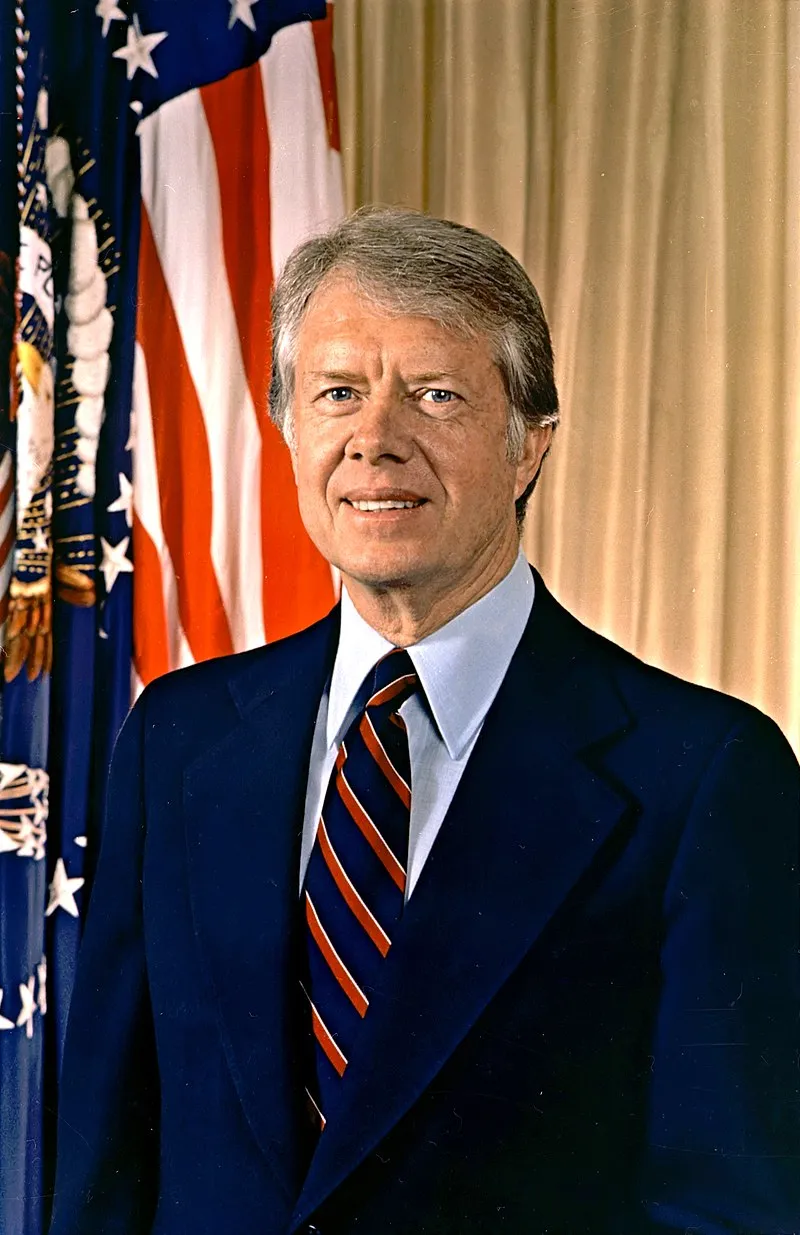
In the context of the Cold War, tensions between the United States and the Soviet Union were high, particularly concerning the proliferation and control of atomic weapons. Jimmy Carter, then the President of the United States, addressed the ongoing negotiations aimed at reducing the threat posed by these weapons of mass destruction. The discussions formed part of the Strategic Arms Limitation Talks (SALT), a series of dialogues that sought to curb the arms race between the two superpowers.
During this period, both nations possessed extensive nuclear arsenals capable of devastating global consequences. The diplomatic exchanges underscored the necessity of a concerted effort to prevent an escalation that could lead to a nuclear conflict. Carter's administration emphasized the United States' commitment to arms control and sought mutual reductions in strategic forces.
Negotiations covered multiple facets of atomic weaponry, including limitations on the number of deployable intercontinental ballistic missiles (ICBMs) and submarine-launched ballistic missiles (SLBMs). Statistical data from the period indicated that the United States and the Soviet Union collectively held tens of thousands of nuclear warheads, highlighting the urgency of reaching a consensus.
Carter's announcement of these negotiations reflected a policy orientation towards détente, a relaxation of strained relations, and a systematic approach to global security. It also demonstrated a strategic pivot from an arms race to an arms control framework, aiming to establish verifiable limits on nuclear capabilities.
The impact of these negotiations was multifaceted. Domestically, it was a message to the American public about the administration's proactive stance on international security. Internationally, it signaled to allies and adversaries alike the resolve of the United States to engage in serious dialogue for the sake of global stability.
The discussions eventually contributed to the formation and adoption of the SALT II treaty, which further established limitations on strategic offensive arms and offered a transparent mechanism for verification. Despite challenges in ratification and compliance, the efforts symbolized a critical step towards nuclear nonproliferation.
#Carter #USSR #NuclearNegotiations #ColdWar #GlobalSecurity #Nonproliferation #MoofLife
Primary Reference
Jimmy Carter Event Timeline | The American Presidency Project
Explore the Life Moments of
 AI Twin