
Establishing the Department of Energy
Political
Science
6 min read
Updated By: History Editorial Network (HEN)
Published:
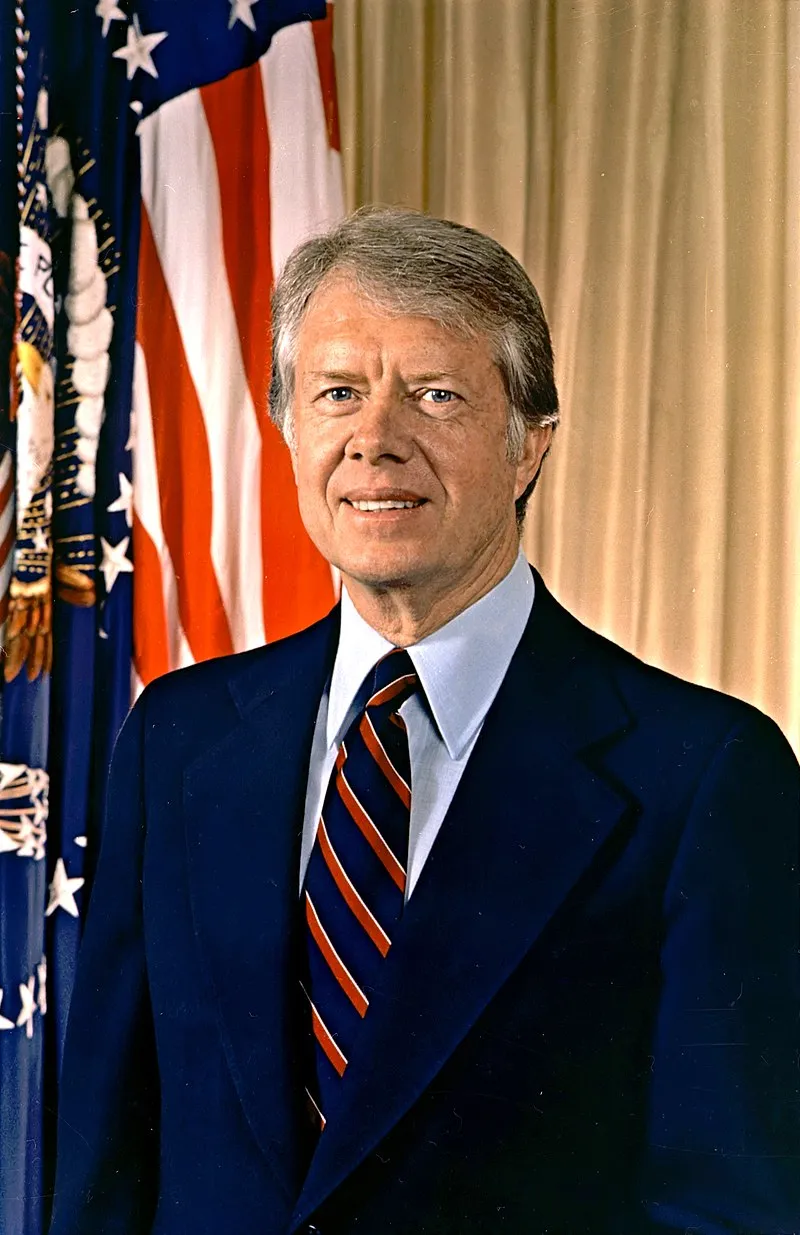
On a significant day in United States history, President Jimmy Carter signed the Department of Energy Organization Act, which established the U.S. Department of Energy (DOE). This legislation was a cornerstone of Carter's administration, aiming to address the nation's growing energy needs and concerns about energy security and efficiency.
Prior to this act, energy responsibilities were scattered among various federal agencies, making it challenging to develop a coherent and effective national energy policy. The 1970s energy crisis, marked by oil shortages and skyrocketing prices, had highlighted the urgent need for a more centralized and strategic approach to energy management.
The Department of Energy Organization Act consolidated the Federal Energy Administration, the Energy Research and Development Administration, and other energy-related entities into a single department. This restructuring was designed to streamline federal energy functions and enhance the government's ability to address energy issues comprehensively.
One of the key goals of the new department was to promote conservation and the development of alternative energy sources, in response to the vulnerabilities exposed by the oil embargoes and rising dependency on foreign oil. The DOE was tasked with advancing energy technology, regulating the nuclear power industry, and conducting research to innovate and implement sustainable energy practices.
The impact of the act was significant. It facilitated a more coordinated federal response to energy challenges and laid the groundwork for subsequent energy policies and innovations. Over time, the Department of Energy expanded its role to include overseeing the nation's nuclear weapons program, nuclear reactor production for the U.S. Navy, energy conservation, and energy-related research.
Statistically, the creation of the DOE marked a shift in federal energy policy, placing greater emphasis on renewable energy and efficiency. For example, federal funding for energy research and development increased, supporting the advancement of solar, wind, and geothermal technologies. Additionally, energy efficiency standards for appliances and buildings were introduced, leading to reductions in energy consumption and costs for consumers.
By establishing a centralized body to handle energy policy, Carter's administration aimed to reduce dependency on foreign oil, promote innovation, and ensure a sustainable energy future for the nation. The Department of Energy continues to play a crucial role in shaping the country's energy landscape, contributing to both national security and environmental sustainability.
#EnergyPolicy #JimmyCarter #FossilFuels #RenewableEnergy #NuclearEnergy #USHistory #MoofLife
Primary Reference
August 4, 1977: President Carter signs the Department of Energy ...
Explore the Life Moments of
 AI Twin