Pardoning of Vietnam draft evaders
Political
Social
4 min read
Updated By: History Editorial Network (HEN)
Published:
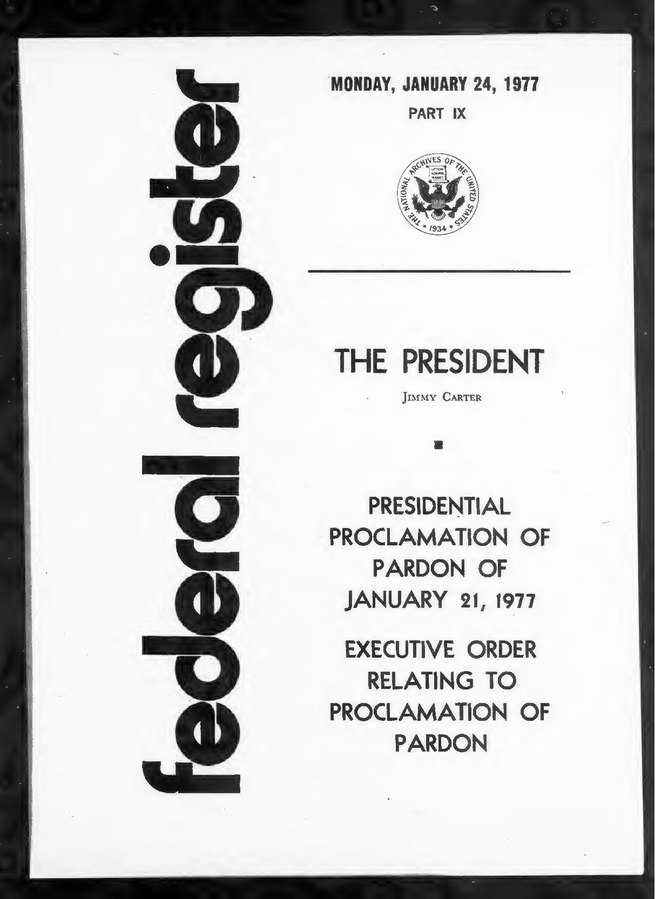
On a particular day, President Jimmy Carter took the notable action of pardoning Vietnam War draft evaders. This act followed a divisive period in American history marked by intense conflict and public debate. During the Vietnam War, thousands of young men evaded the draft through various means, including fleeing to Canada or refusing induction. This resulted in legal consequences for many who remained in the United States.
President Carter’s decision was intended to initiate national healing and reconciliation after years of societal division over the Vietnam War. By offering an unconditional pardon to those who had violated the Selective Service Act, Carter aimed to bring closure to a contentious chapter. The pardon applied to civilians who had avoided the draft but did not extend to individuals who had engaged in violent or criminal acts in protest of the war.
The impact of this presidential action was measured by a considerable number of approximately 100,000 draft evaders who were affected. Many who had lived in exile or in fear of legal repercussions could now return to normalcy. However, the decision was met with mixed reactions across the country. Supporters viewed it as a humane gesture aimed at national healing, while critics argued it dishonored those who had served and sacrificed during the conflict. The financial and emotional ramifications of reintegrating draft evaders into society added another layer of complexity.
The pardoning stood as a testament to the political and social challenges of post-war America, highlighting the nation’s ongoing struggle to address internal conflicts and differing perspectives on duty, honor, and justice.
#PardonsVietnamDraftEvaders #JimmyCarter #VietnamWarDraft #NationalReconciliation #MoofLife
Primary Reference
Office of the Pardon Attorney | Vietnam War-Era Pardon
Explore the Life Moments of
 AI Twin