Nehru's Civil Disobedience Campaign Against British Rule in India
India
Political
5 min read
Updated By: History Editorial Network (HEN)
Published:
In the early 1940s, Jawaharlal Nehru joined Mahatma Gandhi in a limited civil disobedience campaign against British colonial rule in India. The campaign aimed to challenge restrictive British policies and assert Indian autonomy. The Indian National Congress, the leading political organization fighting for independence, had decided on a scaled-down form of civil disobedience to keep the pressure on the British government while avoiding mass arrests and violence.
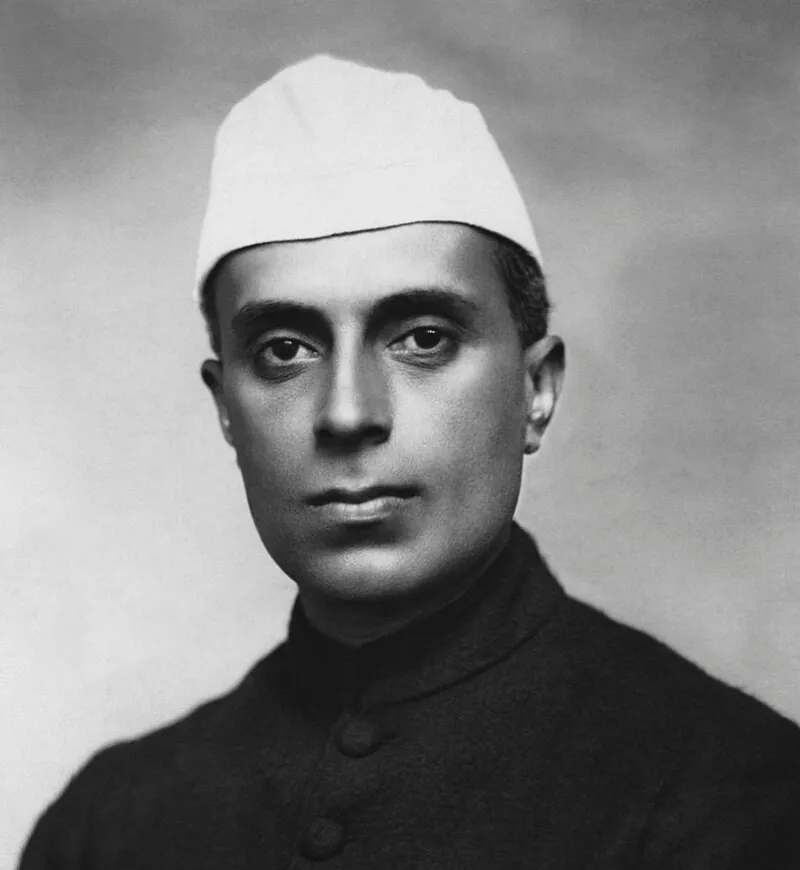
Nehru, a prominent leader within the Congress and an influential figure in the independence movement, fully supported Gandhi's vision of nonviolent resistance. His participation was driven by a commitment to Indian sovereignty and a belief in the power of peaceful protest.
This limited campaign involved actions such as refusing to obey certain British laws, boycotting British goods, and organizing peaceful demonstrations. Despite the constrained scope of the protests, the British authorities responded with stringent measures.
Nehru was arrested for his involvement in the civil disobedience activities. Following his arrest, he was sentenced to four years of imprisonment. This event highlighted the repressive tactics used by the British to quell Indian demands for self-rule and underscored the sacrifices made by Indian leaders in their quest for independence.
The impact of Nehru's arrest was multifaceted. It demonstrated the British colonial government's determination to suppress dissent and maintain control over India. At the same time, it galvanized further support for the independence movement, as many Indians were inspired by Nehru's steadfast commitment to the cause. The imprisonment of such a high-profile leader drew international attention to India's struggle for freedom.
Although the immediate effect of the campaign was limited, it contributed to the growing momentum of the independence movement, setting the stage for future, larger-scale actions. The bravery and resilience demonstrated by leaders like Nehru during these campaigns became a cornerstone of India's eventual path to independence.
#IndianIndependenceMovement #CivilDisobedience #JawaharlalNehru #MahatmaGandhi #ColonialResistance #NonViolentProtest #MoofLife
Explore the Life Moments of
 AI Twin