Growing tensions in British India led to Congress advocating for unity while Muslim League sought autonomy, culminating in the Lahore Resolution and demand for Pakistan.
India

Political
5 min read
Updated By: History Editorial Network (HEN)
Published:
Updated:
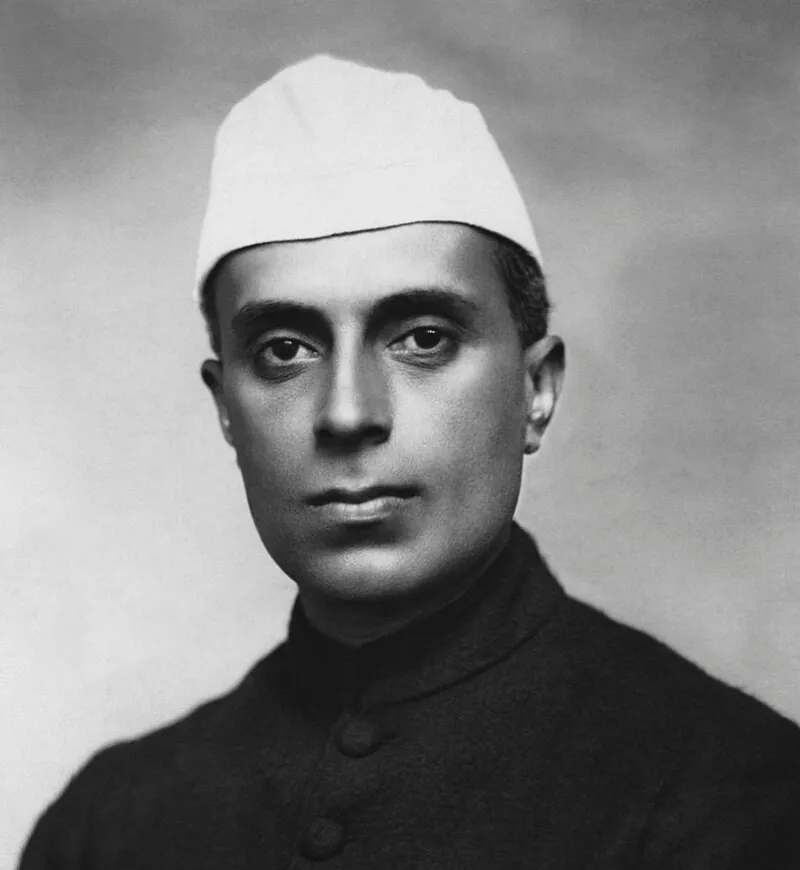
In the early 20th century, the political landscape of British India was marked by growing tensions between different religious communities, particularly Hindus and Muslims. Amidst these tensions, the Indian National Congress and the All India Muslim League emerged as prominent political parties representing the interests of their respective communities. The Congress, led by figures like Jawaharlal Nehru and Mahatma Gandhi, advocated for a united India. In contrast, the Muslim League, under the leadership of Muhammad Ali Jinnah, began voicing concerns about the political marginalization of Muslims and sought greater autonomy.
During the Lahore session of the All India Muslim League, a defining moment in the Indian independence movement occurred. The League formally presented the Lahore Resolution, which called for the creation of "independent states" in regions where Muslims were in the majority. The resolution effectively outlined the demand for a separate Muslim state, which would later be known as Pakistan. This was a pivotal shift in the League's stance from seeking safeguards for Muslims within a united India to advocating for a completely separate nation.
The Lahore Resolution marked a turning point in the Indian subcontinent's political trajectory. It led to heightened communal tensions and drew clear lines between the objectives of the Congress and the Muslim League. The demand for Pakistan found support among a significant section of the Muslim population, who feared that their rights and interests would be overlooked in a Hindu-majority India.
The passing of the Lahore Resolution had far-reaching implications. It accelerated the partition process, culminating in the creation of Pakistan. It also underscored the communal divide, influencing the subsequent political, social, and demographic transformations in the region. The resolution is often seen as a critical step towards addressing the aspirations and apprehensions of Muslims in British India.
#MoofLife #PakistanResolution #LahoreSession #PartitionOfIndia #IndianIndependence #AllIndiaMuslimLeague #PoliticalHistory #JawaharlalNehru
Explore the Life Moments of
 AI Twin