Debate Between Gandhi and Nehru: Push for Indian Independence with Strategic Compromise
India
Political
5 min read
Updated By: History Editorial Network (HEN)
Published:
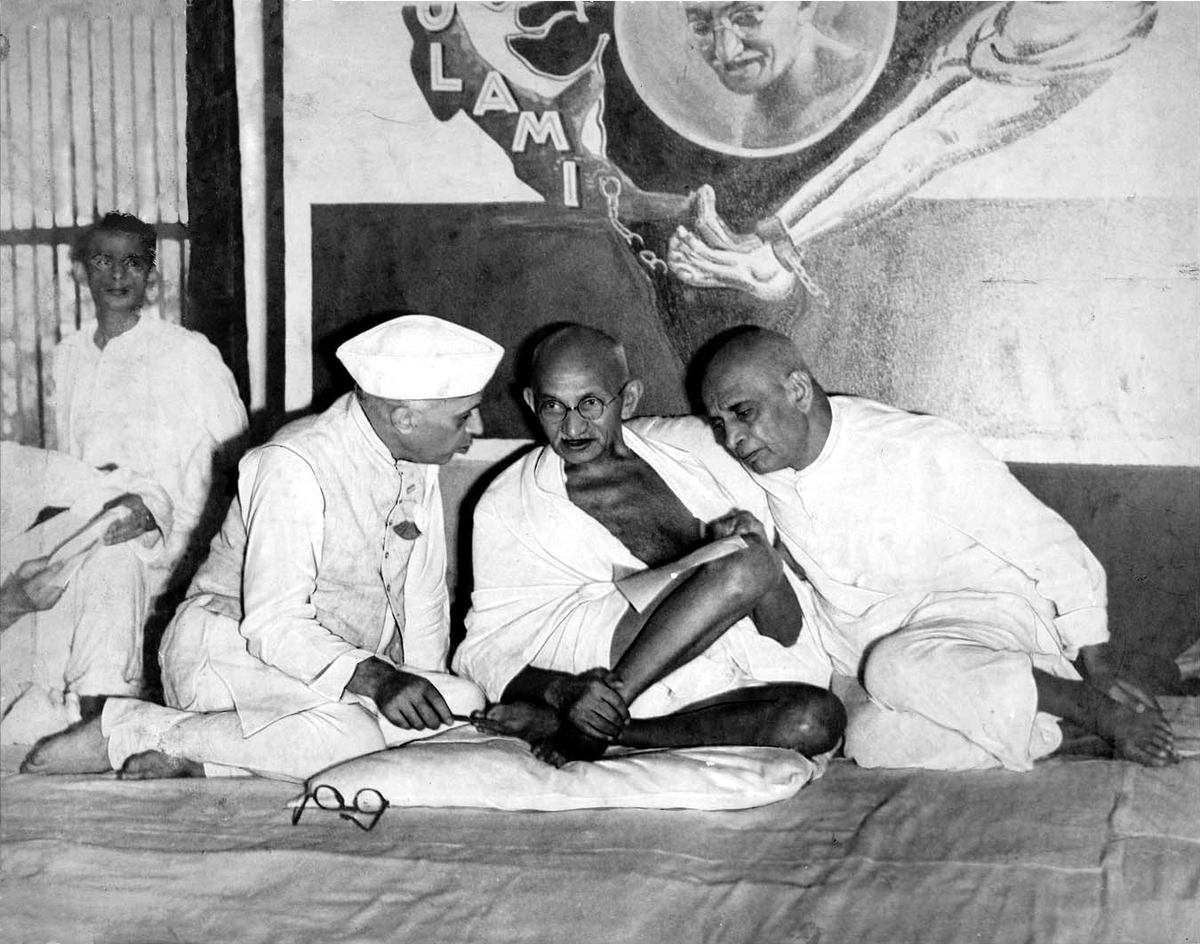
In the late 1920s, India's fight for freedom from British rule was intensifying. The Indian National Congress, the leading organization spearheading the nationalist movement, was divided on its approach to achieving sovereignty. At the forefront of this debate were two prominent leaders: Mahatma Gandhi and Jawaharlal Nehru.
Gandhi, a firm believer in non-violence and passive resistance, aimed to gain self-rule for India incrementally. He advocated for a more moderate demand from the British, with patience and persistence guiding the movement. On the other hand, Nehru, younger and more radical in his stance, called for complete independence. However, as a practical step, Nehru proposed dominion status as an intermediate goal. This was essentially a semi-independent political status allowing India to manage its internal affairs while remaining part of the British Empire.
Gandhi realized the value in presenting a united front, especially in a critical period where collective action was essential. Despite his reservations, he compromised to support Nehru's call for dominion status, proposing a resolution demanding British action within two years. Gandhi’s compromise was a strategic move to rally the diverse factions within the Congress and present a concrete, time-bound demand to the British authorities.
The resolution, adopted at the Congress session, was a calculated attempt to apply pressure while illustrating Indian unity and resolve. It positioned the Congress with a clear direction and timeline, bolstering Nehru’s prominence as a leader who could offer a pragmatic yet ambitious vision. The British government, however, was not receptive, and this led to an escalation in the Congress's demands, eventually setting the stage for the historic call for full independence in the years that followed.
This shift marked a pivotal moment in the Indian freedom movement, reflecting both the internal dynamics of the Congress and the evolving strategies against colonial rule. Gandhi’s willingness to compromise, and Nehru’s assertive stance for dominion status, together helped shape the trajectory of India's struggle for independence, uniting different approaches under a common goal.
#IndianFreedomStruggle #GandhiNehru #CongressUnity #DominionStatus #MoofLife
Primary Reference
Jawaharlal Nehru - Wikipedia
Explore the Life Moments of
 AI Twin