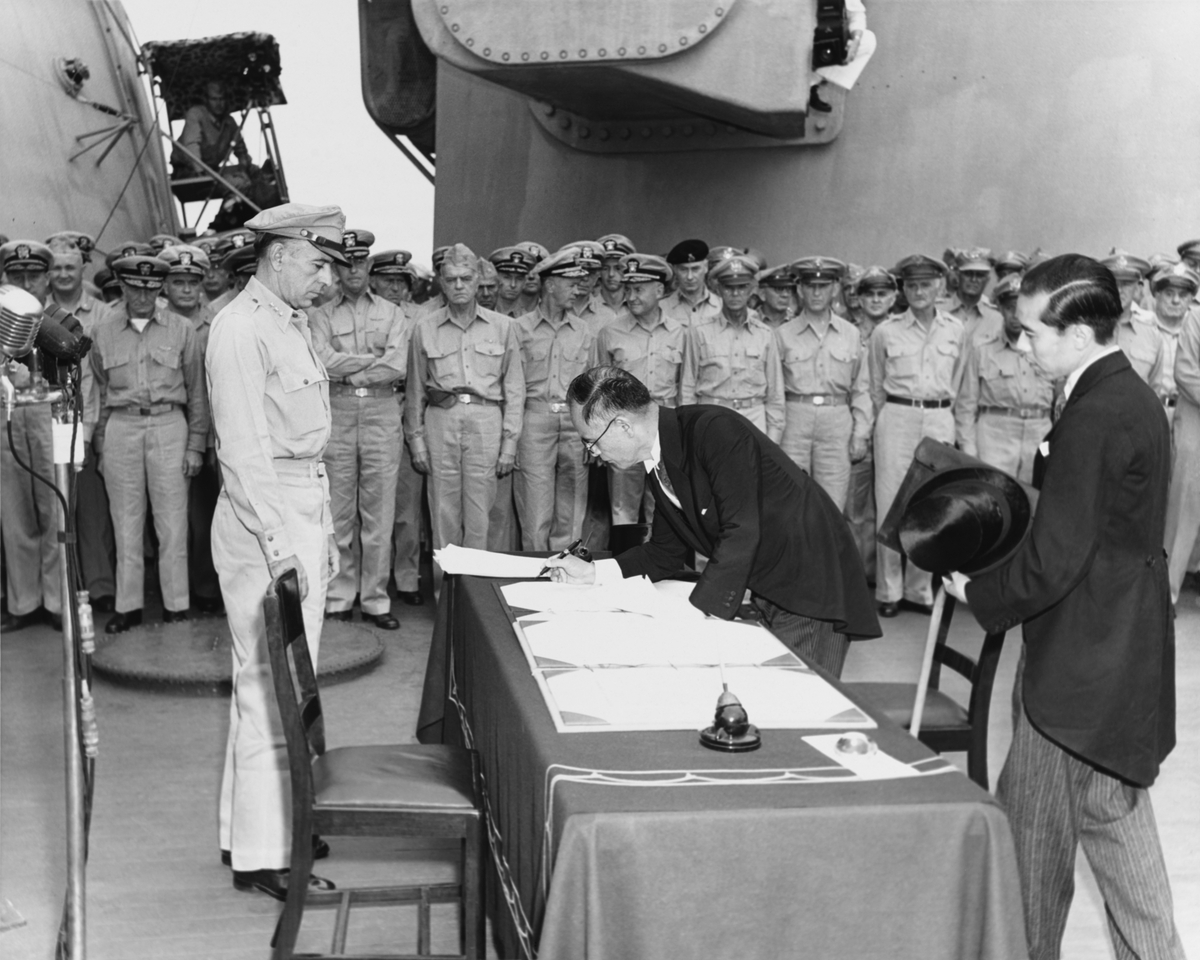
World War II ends with Hiroshima and Nagasaki bombings
Japan

Political
4 min read
Updated By: History Editorial Network (HEN)
Published:
After years of devastating warfare that had engulfed the world, Japan found itself facing a grave decision. The island nation had been engaged in fierce battles across the Pacific, but the tide had turned against them. The United States had developed a new and devastating weapon, the atomic bomb, and on August 6th, it was dropped on the city of Hiroshima. The explosion was catastrophic, leveling the city and causing immense loss of life.
The Japanese government, still reeling from the shock of Hiroshima, was given little time to process before another bomb was dropped on Nagasaki just days later. The devastation was even more extreme, leaving no choice but to surrender. The unconditional surrender was formally announced on August 15th, marking an end to Japan's involvement in World War II.
The aftermath of the bombings was horrific, with hundreds of thousands dead and injured, and many more suffering from the long-term effects of radiation exposure. The events of those fateful days in August brought about a swift end to the conflict, but at a tremendous cost.
In the years following the war, Japan worked tirelessly to rebuild and recover from the devastation. The country underwent significant political and social changes, as it sought to move forward from the trauma of war. The surrender also marked the beginning of a new era for Japan, as it transitioned from a militaristic society to one focused on peace and prosperity.
The end of World War II and Japan's surrender following the atomic bombings of Hiroshima and Nagasaki remain a poignant reminder of the devastating impact of war and the importance of seeking peace. #WorldWarII #JapanSurrender #AtomicBombings
Explore the Life Moments of
 AI Twin