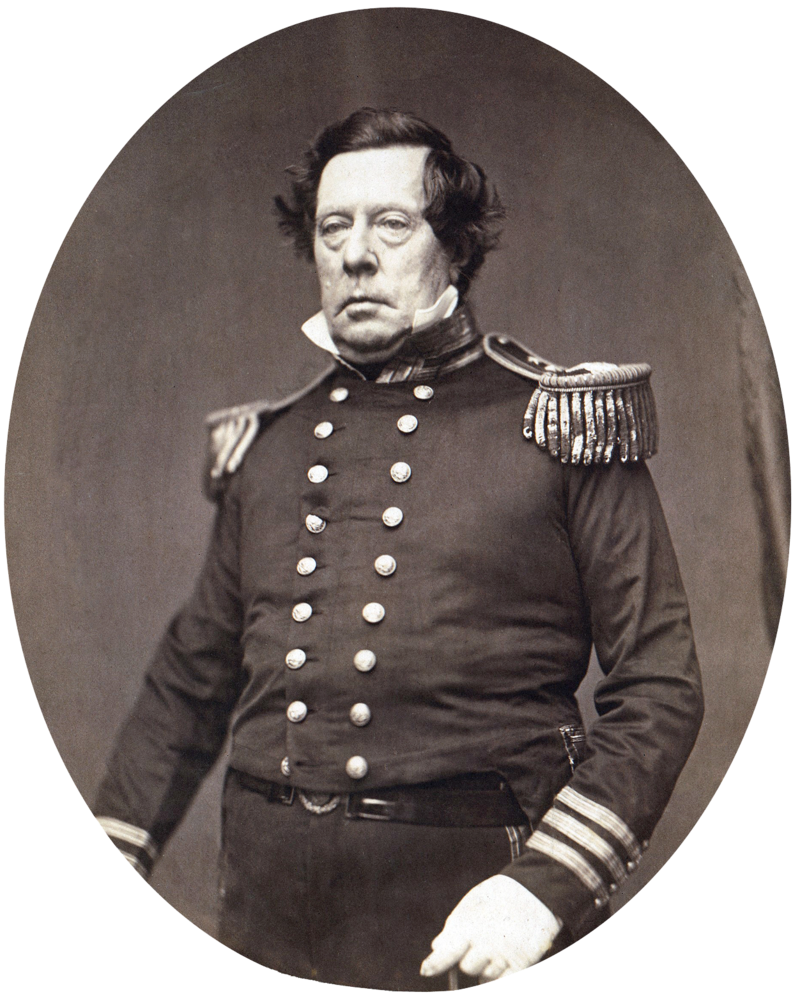
Matthew Perry Opens Japan to the West
Japan

Political
4 min read
Updated By: History Editorial Network (HEN)
Published:
In the mid-19th century, Japan had isolated itself from the rest of the world for over two centuries, following a strict policy of seclusion. However, this came to an end with the arrival of Commodore Matthew Perry and his fleet. Perry's aim was to open diplomatic and trade relations with Japan. The imposing black ships he arrived on made a lasting impression on the Japanese people and their ruling shogunate.
After months of negotiations, the Convention of Kanagawa was signed, marking the beginning of Japan's integration into the global economic and political system. This event not only ended Japan's isolation, but also set the stage for a wave of modernization and westernization in the country. The arrival of Perry and the opening of Japan to the West had far-reaching consequences, leading to rapid industrialization and the transformation of Japanese society.
The impact of this event was profound, as Japan began to adopt Western technology, political systems, and cultural practices. This period of rapid change paved the way for Japan's emergence as a major world power in the 20th century. The opening of Japan to the West also sparked debates and conflicts within Japanese society about the preservation of traditional values versus embracing modernity.
In conclusion, the arrival of Matthew Perry and the opening of Japan to the West marked a turning point in Japan's history, ending centuries of isolation and setting the country on a path towards modernization and global engagement. The legacy of this event can still be seen in Japan's thriving economy, vibrant culture, and position as a key player in international affairs. #Japan #MatthewPerry #Westernization #Modernization

Explore the Life Moments of
 AI Twin