Treaty Ending First Sino-Japanese War
Japan

Political
Global Trade
4 min read
Updated By: History Editorial Network (HEN)
Published:
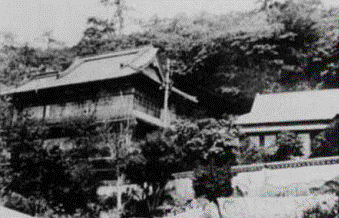
Amidst the First Sino-Japanese War, the Treaty of Shimonoseki was negotiated. With Japan's strategic victories, the treaty aimed to end the conflict between Japan and China. Signed in the town of Shimonoseki, the agreement marked a significant shift in power dynamics in East Asia.
Japan's victory in the war, which was fueled by territorial disputes and influence over Korea, was solidified by the terms of the treaty. China ceded Taiwan, the Pescadores Islands, and the Liaodong Peninsula to Japan. Furthermore, China had to pay a large indemnity to Japan, weakening its economy and influence in the region.
The signing of the Treaty of Shimonoseki had far-reaching consequences. It not only established Japan as a formidable military power in East Asia but also highlighted the decline of Chinese dominance in the region. The treaty reshaped the political landscape, setting the stage for further tensions and conflicts in the years to come.
In Japan, the treaty was met with nationalistic pride, fueling a sense of superiority and bolstering Japanese expansionist ambitions. On the other hand, the treaty marked a humiliating defeat for China, leading to internal turmoil and calls for reform and modernization.
The repercussions of the Treaty of Shimonoseki echoed across Asia, laying the groundwork for future conflicts and power struggles. It served as a reminder of the shifting balance of power and the complexities of international relations in the region.
#TreatyofShimonoseki #FirstSinoJapaneseWar #EastAsianPowerDynamics #JapaneseExpansionism #ChineseDecline

Explore the Life Moments of
 AI Twin