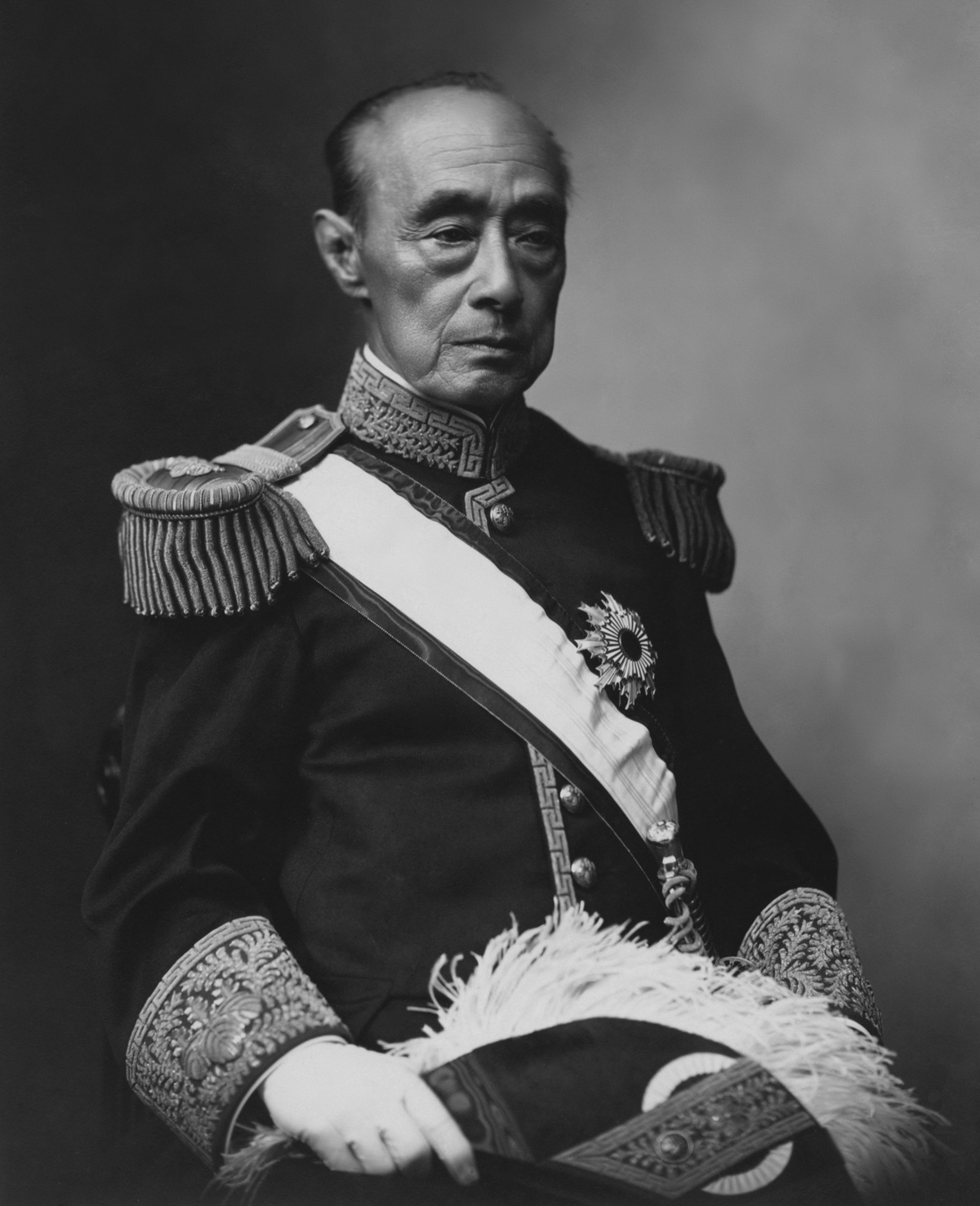
The Resignation of Tokugawa Yoshinobu
Japan
Political
3 min read
Updated By: History Editorial Network (HEN)
Published:
The resignation of Tokugawa Yoshinobu marked the end of the Tokugawa Shogunate in Japan. Amidst mounting pressure from imperial loyalists and anti-shogunate factions, Yoshinobu made the decision to step down, effectively bringing an end to over two and a half centuries of Tokugawa rule.
Following the arrival of Commodore Matthew Perry's Black Ships in the mid-19th century, Japan faced increasing foreign pressure to open its borders to trade. This led to internal unrest and a power struggle between the shogunate and the imperial court. Yoshinobu's resignation came as a culmination of these tensions, as he sought to avoid further conflict and bloodshed.
The resignation of Yoshinobu marked the beginning of the Meiji Restoration, a period of rapid modernization and westernization in Japan. The imperial power was restored, and Emperor Meiji assumed a more prominent role in governing the country. This transition laid the foundation for Japan's transformation into a modern nation-state and its emergence as a global power in the 20th century.
Yoshinobu's resignation was a pivotal moment in Japanese history, signaling the end of the feudal era and the dawn of a new age of progress and reform. It paved the way for sweeping social, political, and economic changes that would shape Japan's future trajectory.
#TokugawaShogunate #MeijiRestoration #JapaneseHistory

Explore the Life Moments of
 AI Twin