Siege of Shirakawa-den Battle: Key Events and Outcome
Kyoto, Japan
Clan Conflict
3 min read
Updated By: History Editorial Network (HEN)
Published:
Updated:
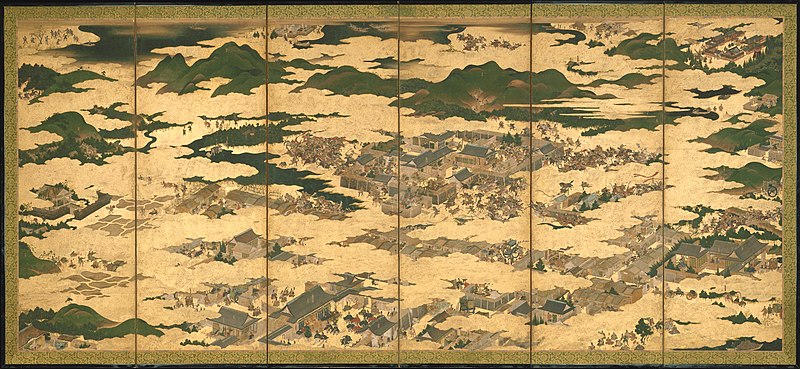
On 11/07/1156, the Siege of Shirakawa-den took place in Kyoto as the निर्णing night assault of the Hōgen Rebellion, a short but violent civil conflict in late Heian-period Japan. The rebellion emerged from a succession dispute between the reigning Emperor Go-Shirakawa and the retired Emperor Sutoku, with rival factions of court nobles and warrior families aligning behind each claimant. The confrontation reflected growing tensions within the imperial court and the increasing involvement of military clans in political struggles.
During the night attack, forces loyal to Emperor Go-Shirakawa, including prominent warrior leaders such as Taira no Kiyomori and Minamoto no Yoshitomo, launched an assault on Shirakawa-den, where Emperor Sutoku’s supporters had fortified their position. The attack resulted in the destruction of the residence by fire and the defeat of Sutoku’s faction. Key allies of the retired emperor were killed or captured, effectively ending the rebellion within a short period.
Following the conflict, Emperor Go-Shirakawa’s position was secured, while Emperor Sutoku was exiled to Sanuki Province. The outcome also elevated the status of the Taira and Minamoto clans, whose military support proved decisive. This event marked a shift in the balance of power, as warrior elites began to play a more direct role in governance alongside the imperial court.
#HogenRebellion
#HeianPeriod
#SamuraiHistory
#KyotoHistory
#JapaneseHistory
Primary Reference
Siege of Shirakawa-den

Explore the Life Moments of
 AI Twin