League of Nations Mandate Granted to Japan for Territory Governance
Japan

Political
Imperialism
4 min read
Updated By: History Editorial Network (HEN)
Published:
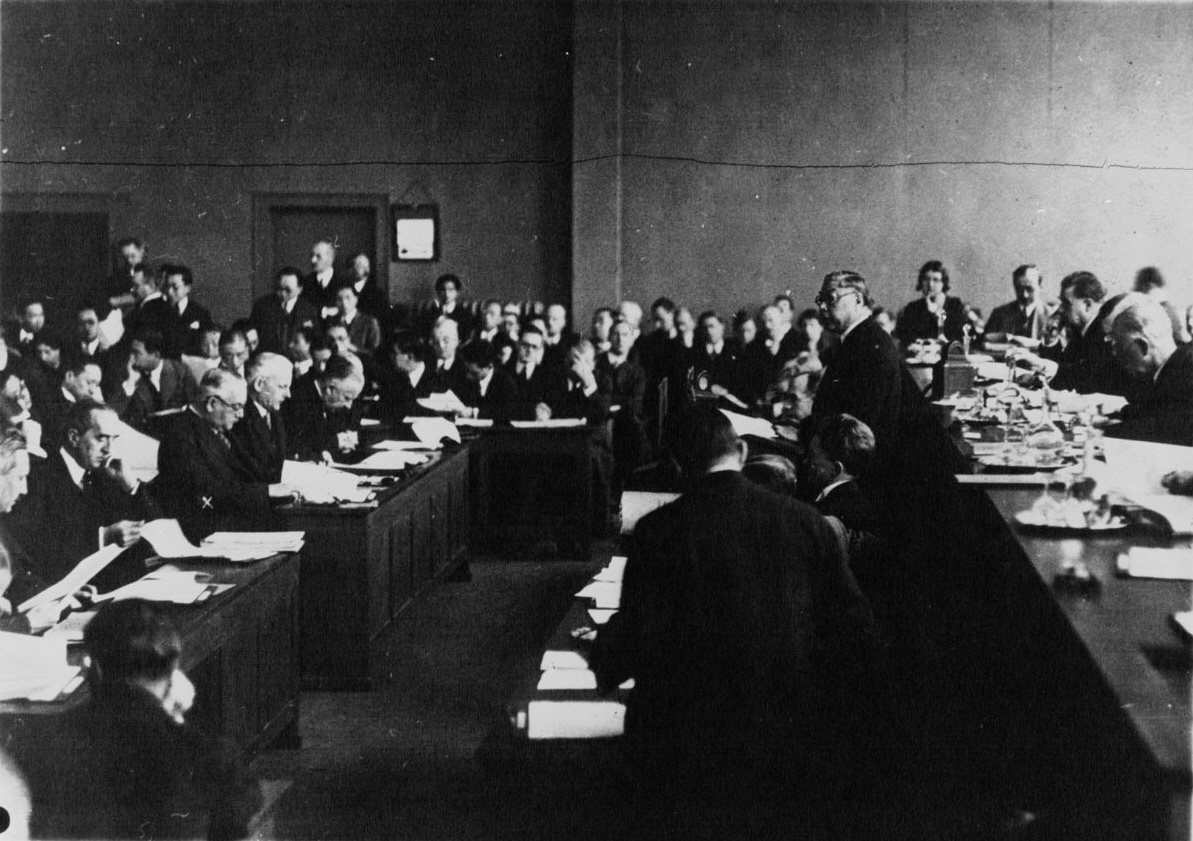
Japan was granted a mandate over the Pacific Islands by the League of Nations. This mandate encompassed the former German territories in Micronesia, including the Carolines, Marianas, and Marshall Islands, following World War I. The decision aimed to recognize Japan's contributions during the war and to establish international governance over these territories.
The League of Nations mandate provided Japan with the responsibility to administer the islands, ensure the well-being and development of the local population, and prevent any military buildup. Japan implemented policies to modernize the infrastructure, introduce education systems, and promote economic activities such as copra production. However, these actions were often accompanied by exploitation and forced labor, sparking resistance among the local inhabitants.
The mandate over the Pacific Islands had geopolitical significance, as it expanded Japan's influence in the region, leading to tensions with Western powers. The strategic location of the islands provided Japan with naval bases and resources, strengthening its position in the Pacific. This development foreshadowed Japan's imperial ambitions and set the stage for its further expansion in the years to come.
Despite the League of Nations' intentions to promote international cooperation and prevent conflict, Japan's mandate over the Pacific Islands fueled discontent and grievances among the local population. Resistance movements emerged, seeking self-determination and protesting against Japanese colonization. The legacy of Japan's mandate over the islands continues to shape regional dynamics and relationships in the Pacific.
#Japan #LeagueofNations #PacificIslands #Mandate #Colonization #Imperialism #Resistance #Geopolitics
Explore the Life Moments of
 AI Twin