Founding of the Asakusa Shrine: Tribute to Sensō-ji Founders
Asakusa, Tokyo, Japan
Cultural
Religious
4 min read
Updated By: History Editorial Network (HEN)
Published:
Updated:
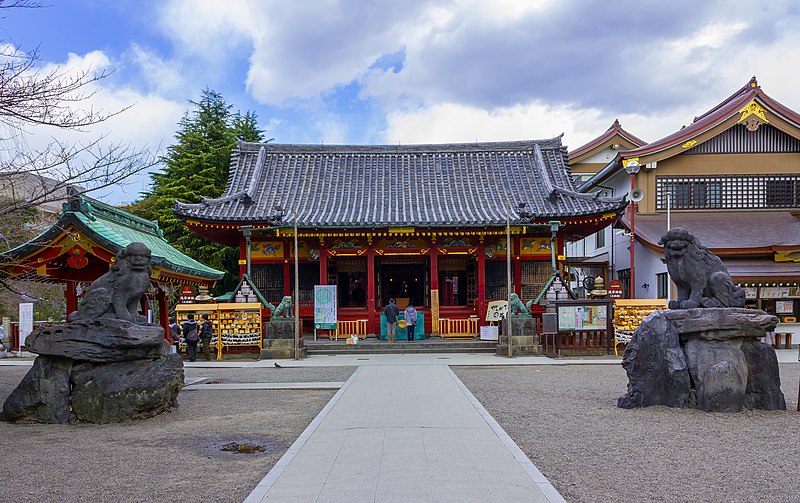
In 1648, during the Edo period, the Tokugawa shogunate established Asakusa Shrine (Asakusa-jinja) in what is now Tokyo. The shrine was constructed under the authority of Tokugawa Iemitsu, the third shogun, as part of broader efforts to formalize and support religious institutions within Edo. Located adjacent to the well-known Sensō-ji temple in the Asakusa district, the shrine was dedicated to honoring three individuals associated with the temple’s origin.
The three men enshrined at Asakusa Shrine are the Hinokuma brothers, Hamanari and Takenari, along with Hajino Nakatomo. According to tradition, the Hinokuma brothers discovered a statue of Kannon, the Buddhist deity of compassion, in the Sumida River in the 7th century. Hajino Nakatomo, a local village head, recognized the statue’s significance and enshrined it, leading to the foundation of Sensō-ji, which became one of the most prominent Buddhist temples in the region.
Asakusa Shrine was built in the architectural style known as gongen-zukuri, which integrates elements of both Shinto shrine and Buddhist temple design, reflecting the syncretic religious practices of the Edo period. Unlike many other structures in Tokyo, the shrine survived the air raids of World War II and remains one of the oldest existing buildings in the area. Today, it continues to serve as a site of worship and is closely associated with the Sanja Matsuri, an annual festival that celebrates the three founders.
Why This Moment Matters:
The establishment of Asakusa Shrine reflects the Tokugawa shogunate’s role in shaping religious spaces in Edo and highlights the enduring connection between Shinto and Buddhist traditions in early modern Japan.
#AsakusaShrine
#EdoPeriod
#TokyoHistory
#Sensōji
#JapaneseCulture
Primary Reference
Asakusa Shrine

Explore the Life Moments of
 AI Twin