Exclusion of Japanese Laborers from Entering the USA
Japan
Political
Global Trade
4 min read
Updated By: History Editorial Network (HEN)
Published:
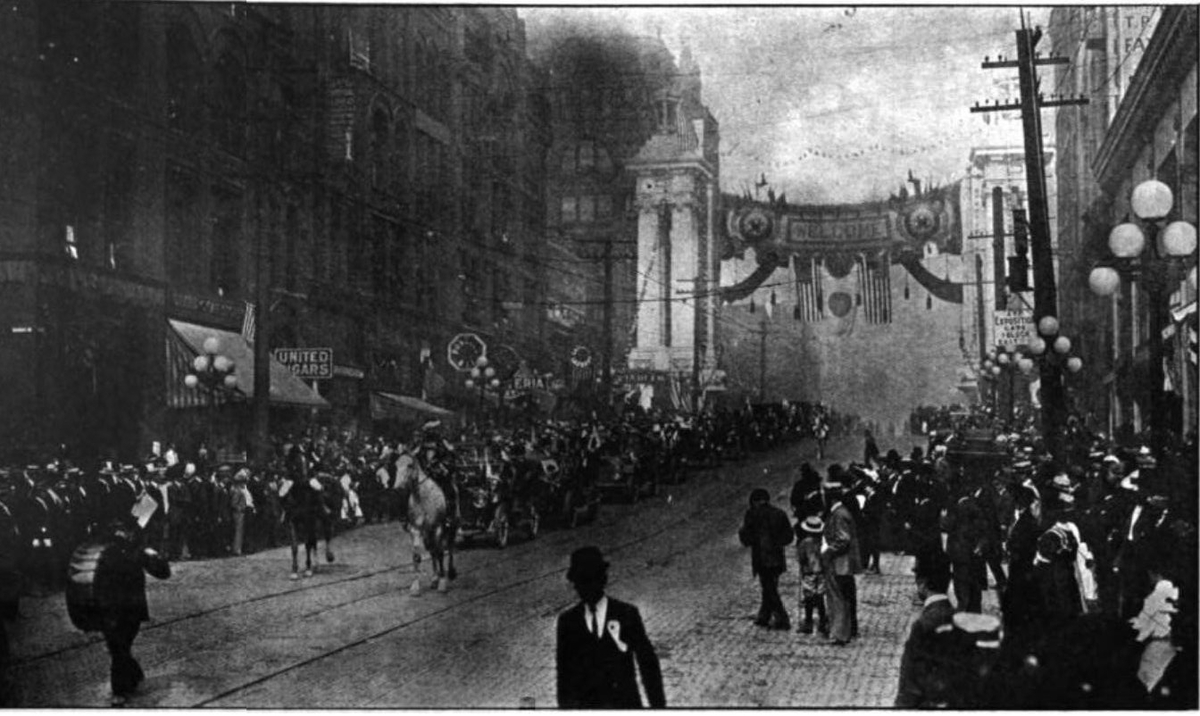
Following increasing tensions between the United States and Japan over trade and immigration, the US President issued an order excluding Japanese laborers from entering the country. This decision stemmed from concerns about competition for jobs and cultural differences. The order aimed to restrict the influx of Japanese immigrants, primarily laborers seeking opportunities in America.
The exclusion of Japanese laborers had a significant impact on both countries. In Japan, the government faced pressure to address the issue and protect the interests of its citizens abroad. The exclusion also fueled anti-American sentiments among the Japanese population. In the United States, the order exacerbated existing anti-Asian sentiments and contributed to the discrimination and marginalization of Japanese immigrants already residing in the country. The decision further strained diplomatic relations between the two nations.
The exclusion order marked a turning point in US immigration policy, laying the foundation for further restrictions on Asian immigrants. It reflected broader nativist attitudes and fears of economic competition and cultural differences. Despite protests and objections from various groups, the exclusion of Japanese laborers stood as a symbol of discriminatory immigration practices and racial prejudice in the early 20th century.
The event showcases the complexities of immigration history and the intersection of politics, economics, and social attitudes. It underscores the challenges faced by immigrants and the enduring legacy of exclusionary policies. The repercussions of the order continue to resonate in discussions on immigration, race relations, and US-Japan relations.
#JapaneseExclusion #ImmigrationHistory #USJapanRelations
Explore the Life Moments of
 AI Twin