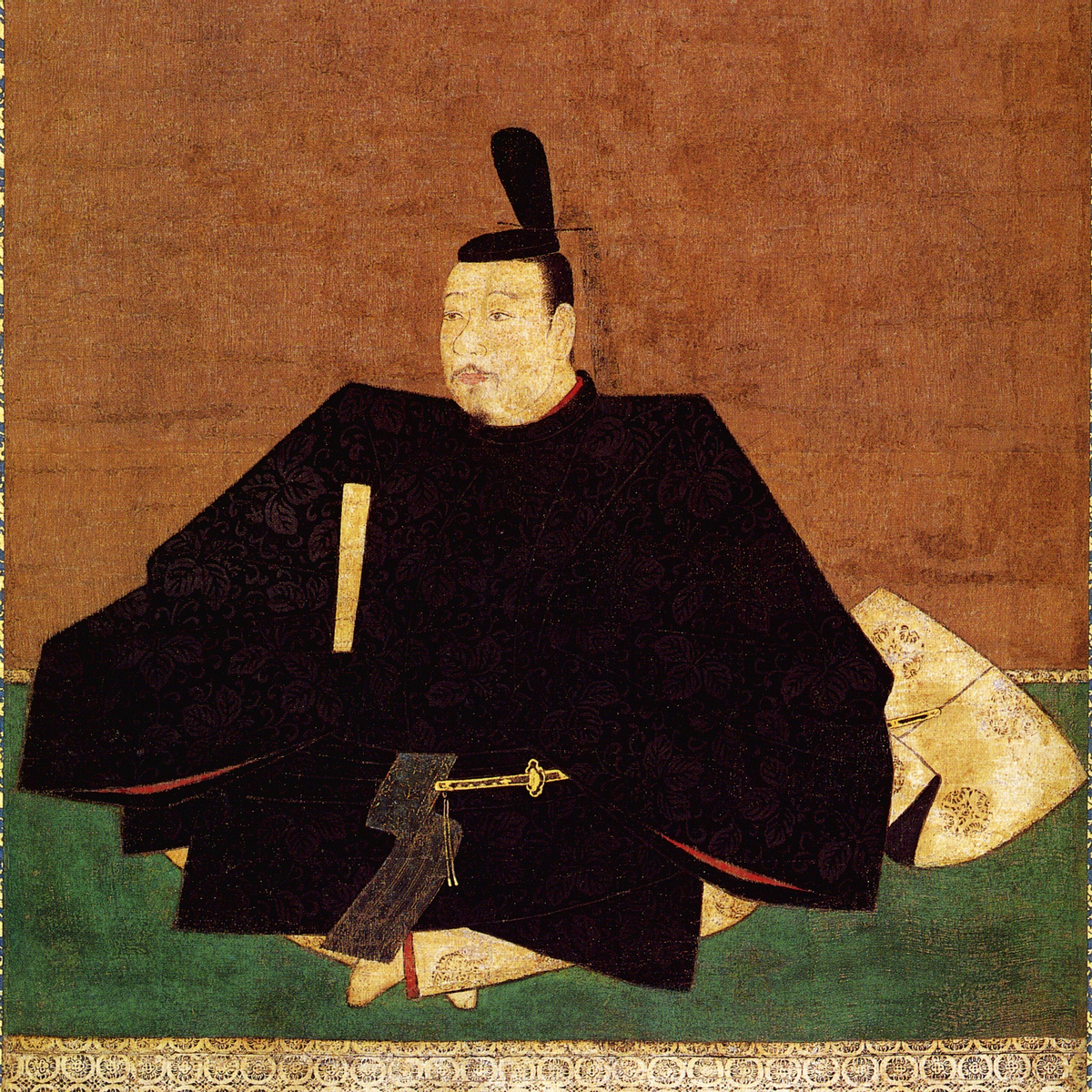
Establishment of the Ashikaga Shogunate
Kyoto, Japan
Political
Culture
4 min read
Updated By: History Editorial Network (HEN)
Published:
Updated:
In 1336, the Ashikaga Shogunate, also known as the Muromachi Shogunate, was established by Ashikaga Takauji, marking the beginning of the Muromachi period (1336–1573) in Japanese history. This development followed the collapse of the Kamakura shogunate after a period of political unrest and conflict, including the Genkō War (1331–1333), which had initially aimed to restore imperial rule under Emperor Go-Daigo.
Ashikaga Takauji, originally a supporter of Emperor Go-Daigo, turned against the imperial court and seized control of Kyoto. In 1336, he installed a rival emperor, beginning the period known as the Northern and Southern Courts (Nanboku-chō period), during which two competing imperial lines claimed legitimacy. Takauji was appointed shōgun shortly afterward, establishing a new military government headquartered in the Muromachi district of Kyoto.
The Ashikaga shogunate governed through a decentralized system, relying on regional military leaders known as daimyō. While the shogunate held authority, its control over distant provinces was often limited compared to earlier regimes. Despite political fragmentation, the Muromachi period saw developments in cultural practices, including the growth of Zen Buddhism, the refinement of tea culture, and the evolution of traditional arts.
Historical Significance:
The establishment of the Ashikaga shogunate introduced a new phase of military governance and initiated a period of divided imperial authority that shaped Japan’s political structure in the 14th century.
#AshikagaShogunate
#MuromachiPeriod
#Takauji
#JapaneseHistory
#SamuraiEra
Primary Reference
The Ashikaga Shogunate

Explore the Life Moments of
 AI Twin