Cultural flourishing of the Genroku period
Edo, Kyoto, Osaka, Japan
Art
Culture
5 min read
Updated By: History Editorial Network (HEN)
Published:
Updated:
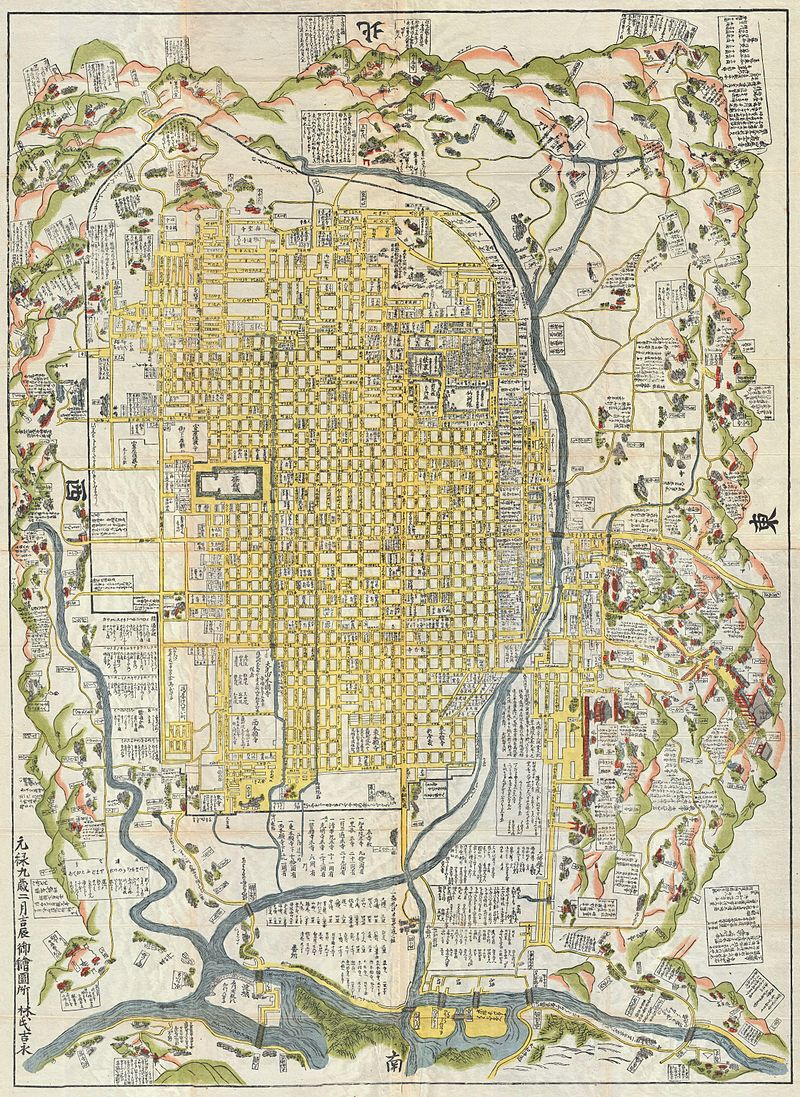
By 1687, Japan under the rule of Tokugawa Tsunayoshi, the fifth shogun of the Tokugawa shogunate, was experiencing a period of sustained cultural and urban development during the Edo period (1603–1868). Political stability established by the Tokugawa regime enabled economic growth and the expansion of cities such as Edo (modern Tokyo), Kyoto, and Osaka. This urbanization supported the rise of a wealthy merchant class, whose spending contributed to the growth of entertainment, literature, and visual arts.
During this time, literary activity was notably active. Ihara Saikaku was producing works in the ukiyo-zōshi genre, which depicted the daily lives and commercial culture of urban populations. Matsuo Bashō was also traveling and composing poetry, refining haiku into a concise and structured poetic form. His works from this period reflect observations of nature and travel, often recorded in prose and verse combinations. These developments contributed to the broader literary culture of the Edo period.
In the visual arts, early forms of ukiyo-e woodblock prints began to circulate, portraying scenes of city life, theater, and courtesans. At the same time, decorative painting styles associated with the Rinpa school were developing, with artists such as Ogata Kōrin later contributing to its prominence. In theater, kabuki and bunraku evolved into more structured performance arts. Playwright Chikamatsu Monzaemon, active slightly later, became known for writing dramas that depicted conflicts between social duty (giri) and personal emotion (ninjō), themes that resonated with urban audiences.
These cultural activities were supported by the economic conditions of the time, including increased trade, agricultural productivity, and a monetized economy. The convergence of artistic innovation and economic support around the late 17th century reflects the broader patterns of cultural production in Tokugawa Japan.
Why This Moment Matters:
The developments around 1687 illustrate how economic stability and urban growth under Tokugawa rule supported the expansion of literature, theater, and visual arts, shaping the cultural landscape of early modern Japan.
#EdoPeriod
#TokugawaJapan
#Basho
#IharaSaikaku
#Ukiyoe
#JapaneseCulture
Primary Reference
Japanese History Digest

Explore the Life Moments of
 AI Twin