Beginning of Edo Castle Construction Spurs City Development
Japan
Cultural Center
Urbanization
4 min read
Updated By: History Editorial Network (HEN)
Published:
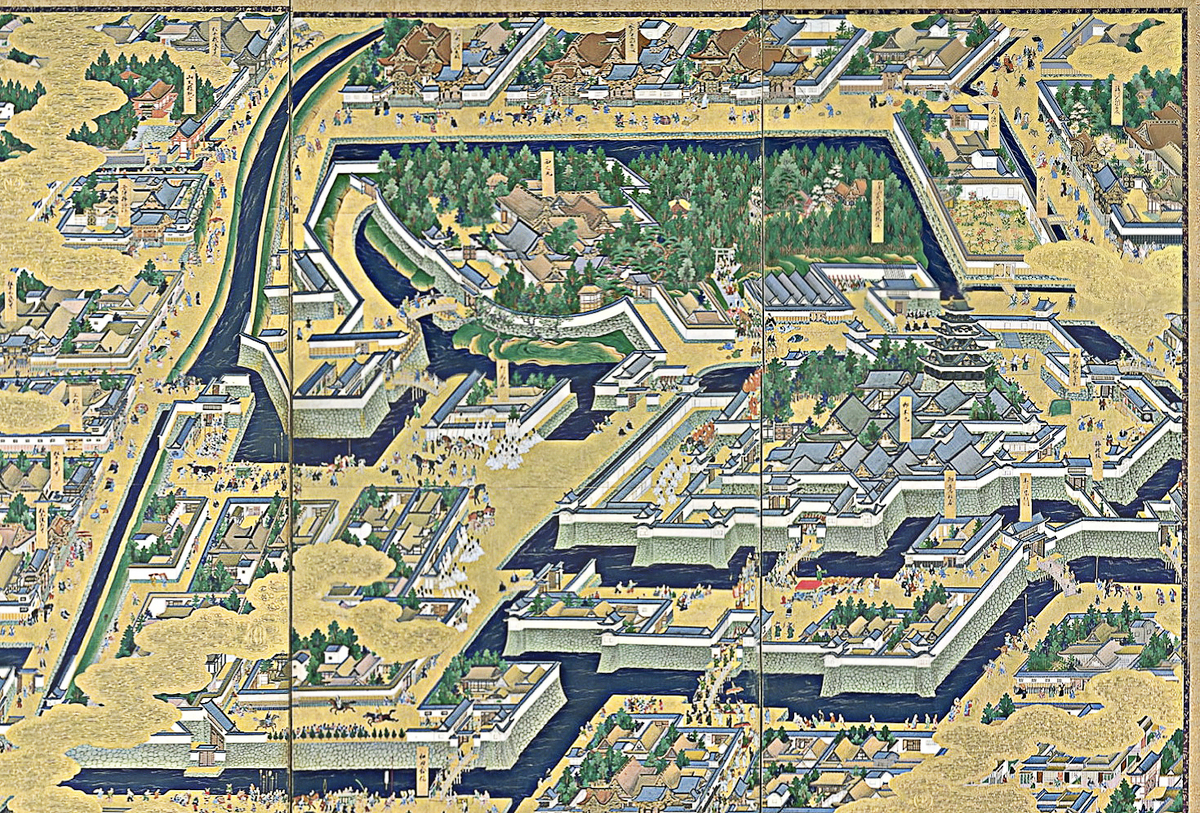
In 1457, the construction of Edo Castle commenced in Japan, heralding the transformation of Edo into a crucial political and cultural hub. The move was initiated by Ota Dokan, a prominent samurai and strategist, under the orders of Ōta Dōkan. Initially a small fishing village, Edo’s elevation began with the establishment of the castle, strategically positioned to overlook the bay and defend the region.
Edo Castle's role evolved from a military stronghold to a symbol of power as it became the seat of the Tokugawa shogunate in the early 17th century. The castle's expansion mirrored the shogunate's increasing authority and the city's growth into a bustling metropolis. The Tokugawa shoguns ruled from Edo Castle for over 250 years, shaping Japan's political landscape and fostering a vibrant cultural scene.
The construction of Edo Castle fueled urbanization and attracted artisans, merchants, and scholars to the city, laying the groundwork for Edo's emergence as a center of commerce and learning. The castle's architectural design and layout influenced subsequent castle constructions in Japan, reflecting a blend of military fortifications and refined aesthetics.
The legacy of Edo Castle's construction endures in modern-day Tokyo, with the Imperial Palace standing on the site of the original castle. The development of Edo as a political and cultural nexus stemmed from the foundations laid by Ota Dokan's initiative, shaping Japan's history and identity.
#EdoCastle #EdoDevelopment #TokugawaShogunate #JapaneseHistory #CulturalCenter #Urbanization

Explore the Life Moments of
 AI Twin